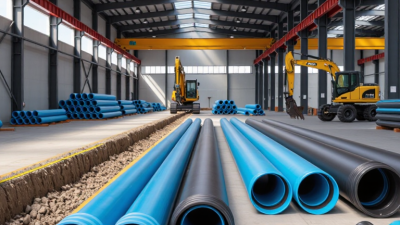
Why Choose HDPE Plastic Pipe for Water Supply?

Choosing a pipe for a water supply line affects more than installation day. It shapes maintenance needs, pressure performance, and leak risks over many years. Many designers consider hdpe plastic pipe for municipal, agricultural, and building water networks. Its flexibility and resistance to corrosion can make it suitable for varied site conditions. It is also available in long coils or straight lengths. Heat fusion can create continuous joints when trained crews follow the specified procedures. Fewer joints may mean fewer potential leak points. That matters beneath roads and fields. Details matter.

Yet no pipe material is right for every project. Designers need to check operating pressure, water temperature, soil conditions, surge loads, and applicable drinking-water approvals. Correct sizing and installation matter as much as the material itself. A poorly prepared trench, contaminated handling, or unsuitable fitting can undermine an otherwise sound system. There is no shortcut. This guide explores where HDPE pipe can perform well, what to verify before purchase, and how installation choices affect service life. It also considers practical limitations, including thermal expansion, the need for careful fusion, and the importance of matching pipe ratings to system demands. Actual performance depends on design and workmanship, so manufacturer data and relevant standards deserve close review. A strong option still needs scrutiny.
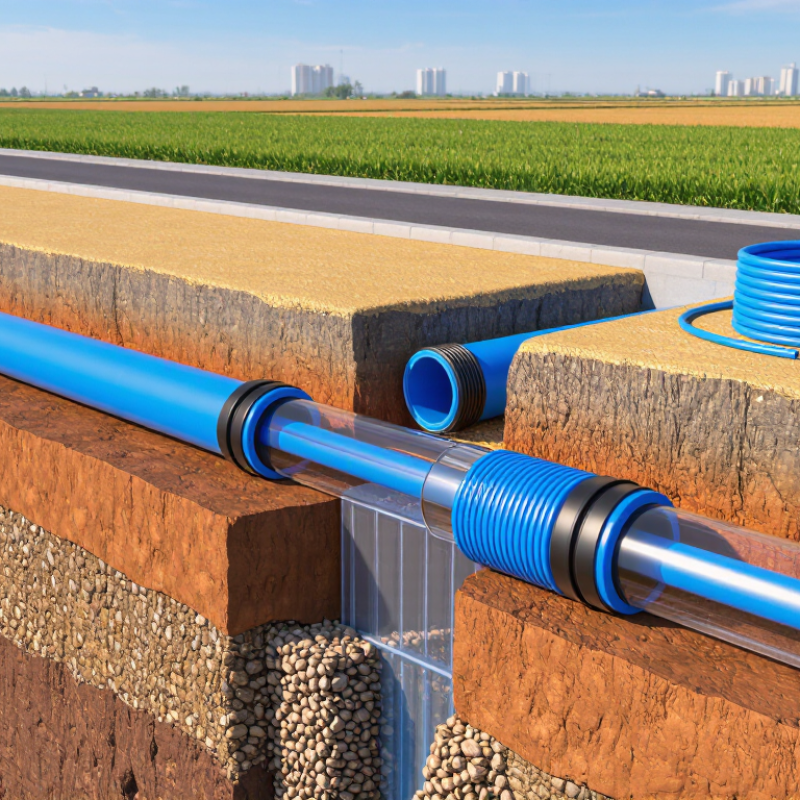
Why Choose HDPE Plastic Pipe for Water Supply?

What Is HDPE Pipe and How Is It Made?

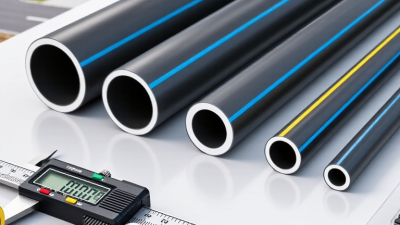
HDPE stands for high-density polyethylene, a tough, lightweight thermoplastic used in many water-supply systems. Its flexibility helps it follow gentle curves, while resistance to corrosion can reduce problems associated with rusting metal. That matters. A pipe’s performance still depends on correct sizing, pressure rating, and installation; the material alone cannot guarantee a reliable system.

HDPE pipe is generally made from polyethylene resin pellets. The pellets are heated until they melt, then pushed through a shaped die to form a continuous pipe. During production, the pipe is sized and cooled, then cut into lengths or wound into coils. Manufacturers check dimensions and other properties against relevant specifications. I used to think the resin alone explained pipe quality, but that misses the importance of processing and inspection. Even good material needs consistent production.

Tips: Check the pipe’s pressure rating and intended water use before choosing it. Keep the pipe clean during handling, and have qualified installers make and inspect fusion joints. For a specific project, confirm that local requirements and operating conditions are met.

How Is HDPE Pipe Used in Water Supply Systems?

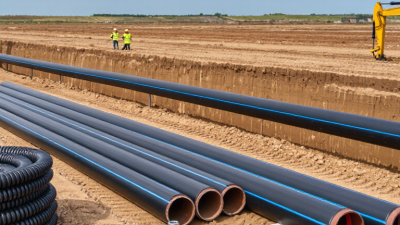
HDPE pipe carries treated water through distribution mains, neighborhood branches, and service connections. It can also move raw water to treatment facilities when the pipe and fittings suit the water and operating conditions. Its flexibility helps crews route lines around gradual bends and accommodate some ground movement. Long coils can reduce joints on smaller lines, which may mean fewer potential leak points. But installation quality still matters. The joints matter.

Installers join HDPE sections by butt fusion or electrofusion, following approved procedures and project specifications. They inspect the fused joints and pressure-test the line before service. For drinking water, materials must meet applicable requirements for potable-water contact. Crews also flush and disinfect completed lines as required.

Trenchless methods can place pipe beneath roads with less surface disruption, but soil, access, and nearby utilities affect suitability. Not always.

Flexible pipe cannot compensate for poor bedding. Support, bend limits, pressure class, and surge conditions all need checking. That detail is easy to underestimate.

Which Properties Make HDPE Suitable for Water Transport?

Why Choose HDPE Plastic Pipe for Water Supply?
Which Properties Make HDPE Suitable for Water Transport?

HDPE combines flexibility, corrosion resistance, and a smooth internal surface. It does not rust like metal, and its bore resists scale buildup. The Plastics Pipe Institute’s Handbook of PE Pipe uses a Hazen-Williams C-factor of 150 for hydraulic design. This commonly used value reflects the pipe’s low-friction flow surface, though actual performance depends on sizing and operating conditions.

Its flexibility can help the pipe accommodate ground movement and reduce the number of fittings needed around gentle bends. Heat-fused joints form a continuous connection, limiting potential leak paths. Still, no material is perfect. Poorly prepared fusion surfaces, incorrect pressure ratings, or rough installation can undermine performance. AWWA Manual M55 provides guidance on polyethylene pipe design and installation; project-specific conditions still matter.

Tips: Check pressure rating, diameter, water-temperature limits, and potable-water certification before specifying pipe. Keep fusion surfaces clean and dry. Small installation details matter. A smooth bore is helpful, but it cannot compensate for poor workmanship.

What Are the Main Benefits of HDPE Water Pipes?

HDPE water pipes resist rust, soil chemicals, and many forms of corrosion that can weaken metal mains. Their flexibility helps them tolerate ground movement, while heat-fused joints create a continuous pipe run with fewer potential leak points. The Plastics Pipe Institute’s Handbook of PE Pipe describes a 50-year design basis for polyethylene pressure pipes; actual service life depends on operating conditions and installation quality. A useful advantage, but not a guarantee.

The U.S. Environmental Protection Agency’s 2023 Drinking Water Infrastructure Needs Survey estimates $625 billion in drinking-water investments over 20 years. In that context, reducing leaks and maintenance visits matters. HDPE is also lighter than many traditional pipe materials, which can make handling and transport easier. Still, poor fusion work or incorrect pressure and surge design can undermine those benefits. The material is forgiving, not foolproof.

Tips: Check pressure and surge requirements before specifying pipe. Keep fusion surfaces clean and dry, and record joint conditions during installation. Ask for trained operators; small mistakes can stay hidden underground.

What Factors Should Be Considered When Choosing HDPE Pipe?

Why Choose HDPE Plastic Pipe for Water Supply?

What Factors Should Be Considered When Choosing HDPE Pipe?

Choosing HDPE pipe starts with the actual job, not a generic claim that one material suits every network. Check operating pressure, surge conditions, required flow, pipe diameter, and the selected dimension ratio (DR). A lower DR generally means a thicker wall, but the design must match system pressure and local engineering requirements. AWWA C906 sets requirements for polyethylene pressure pipe and fittings; it is a useful specification reference, not a substitute for project calculations. Also confirm that materials intended for drinking water meet applicable health-effects requirements, such as NSF/ANSI/CAN 61.

Installation details matter. A narrow street trench, rocky soil, groundwater, and tight bends can change handling and bedding needs. HDPE’s flexibility and fused joints can be useful, but crews need suitable equipment and trained operators; poor fusion can compromise a line. Consider temperature, UV exposure during storage, repair access, and the availability of compatible fittings. The U.S. EPA’s 2023 7th Drinking Water Infrastructure Needs Survey and Assessment estimates $625 billion in drinking-water infrastructure needs over 20 years. That figure covers broad infrastructure needs, not HDPE specifically, but it underscores why lifecycle costs and dependable installation deserve attention.

Tip: Ask the designer to document pressure rating, DR, surge assumptions, and joining procedures. Then check that the delivery matches the specification. Small paperwork gaps can become real site delays. A perfect spreadsheet still cannot predict every trench condition.

Why Choose HDPE Plastic Pipe for Water Supply?

Compare the Minimum Required Strength (MRS) classifications used for polyethylene pipe materials.

How to interpret the chart: PE80 and PE100 have MRS classifications of 8 MPa and 10 MPa, respectively. MRS is a material classification—not a pipe’s allowable working pressure. At the same dimensions, a higher MRS can support a higher pressure rating, subject to design factors and applicable standards.

What to consider when choosing HDPE pipe: required flow and pressure, pipe diameter and SDR, water temperature, installation conditions, jointing method, water-quality requirements, and local codes. Confirm the final pressure rating with the pipe manufacturer’s technical data.

MRS values shown are standard PE material classifications at 20°C, as defined by ISO 9080 and ISO 12162.