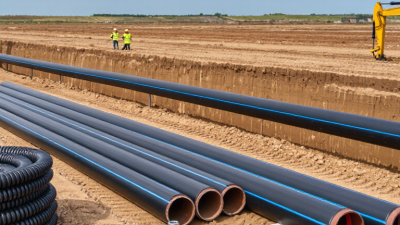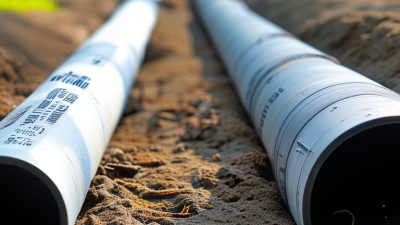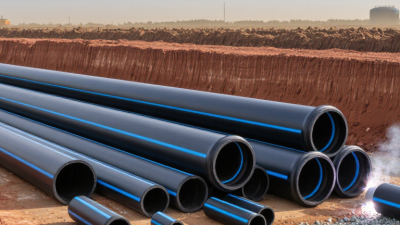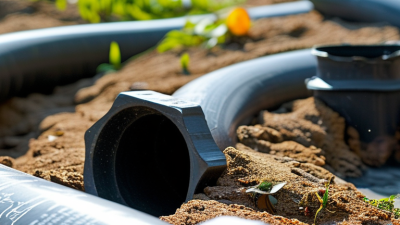
Vinidex manufacturers and supplies a broad range of products & systems to suit a range of applications.
Vinidex’s products and systems are versatile and can be used in a variety of markets and applications.
Choosing the right hdpe pipe begins with the job it must perform. A water main, an irrigation line, and an industrial discharge system face different pressures, temperatures, and fluids. The pipe’s outside diameter matters, but it is only one part of the decision. Pressure class, resin grade, wall thickness, joining method, and installation conditions all deserve attention. Small details count.
David M. Fink, a plastics-pipe industry leader, is associated with a practical selection principle: “Match the pipe to the operating conditions, not just the diameter.” This is a paraphrase, not a verified verbatim quotation. It captures a useful idea: a pipe that looks suitable on a drawing may not fit the actual service environment. Check the project specification, expected pressure, fluid compatibility, temperature range, and handling requirements. For example, a line buried beneath a vehicle-access road needs different planning from a short garden connection. Soil movement and installation quality matter, too. They can be overlooked.
This guide outlines how to compare key specifications and ask better questions before choosing an hdpe pipe. It will also explain why pressure ratings cannot be considered in isolation, and when qualified engineering review is appropriate. Product labels can be confusing; even experienced buyers may need to pause and verify them. A careful choice reduces avoidable mismatches and supports dependable service over time.
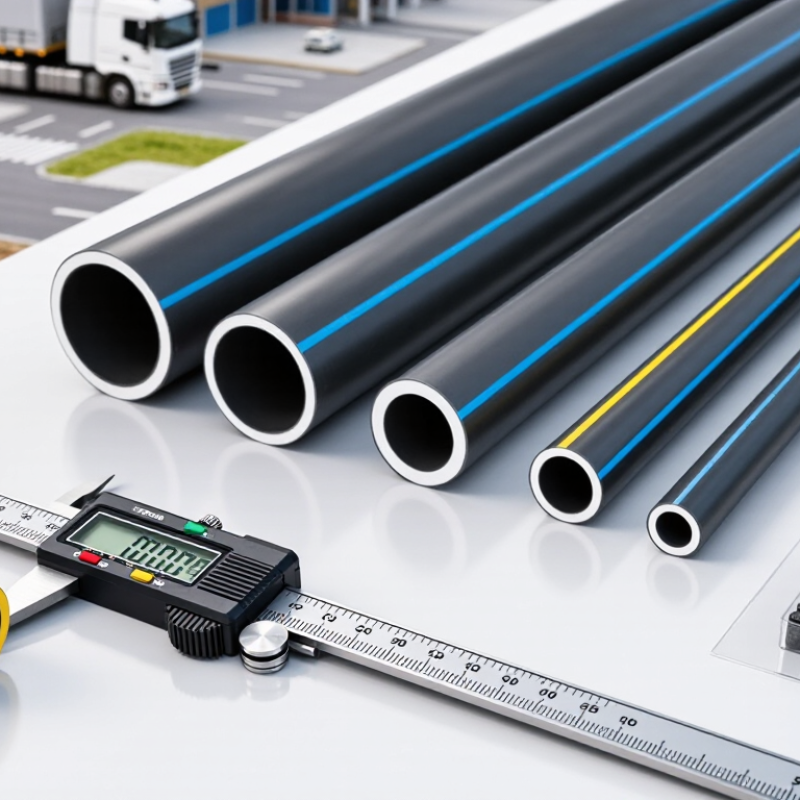
Define the required flow before selecting pipe diameter. Use average demand, peak demand, and any planned expansion. A pipe that is too small can raise friction losses and pumping costs; one that is oversized may increase material costs and leave water moving too slowly. Record the fluid, operating temperature, expected service life, and both normal and maximum pressure. Include pump starts, valve closures, and elevation changes. These details shape the real duty, not just the design-point flow.
Tips: Ask for the pipe’s pressure rating at your actual service temperature. The Plastics Pipe Institute’s TR-4 report lists PE4710’s hydrostatic design basis as 1,600 psi at 73.4°F; this is a material value, not the pipe’s allowable operating pressure. Pipe dimensions, design factors, temperature, and surge conditions affect that rating.
Check the selected dimension ratio and pressure class against the project’s calculated pressure, including transient surges. AWWA Manual M55, PE Pipe—Design and Installation, provides guidance for evaluating polyethylene pipe systems. Request the manufacturer’s calculations and confirm assumptions with the project engineer. A clean calculation can still miss an abrupt pump trip or a future flow increase. That deserves another look.
Choosing an HDPE pipe grade starts with the service conditions, not a familiar label. PE4710 is commonly specified in North America, while PE100 is widely used in systems following ISO standards. These designations describe material performance, but they are not interchangeable approval certificates. Check the pipe’s technical data and the project specification.
Standards cover different parts of the selection. ASTM D3350 classifies polyethylene material properties; ASTM F714 addresses dimensions for certain pressure pipes. AWWA C906 applies to polyethylene pressure pipe and fittings for water distribution and transmission. ISO 4427 covers polyethylene piping systems for water supply. Compare the exact standard, edition, and intended use. A pipe that meets a material standard may still not meet the project’s installation or system requirements.
Then check SDR, diameter, pressure rating, temperature, and fluid. A lower SDR generally means a thicker wall for the same outside diameter, but allowable pressure also depends on material grade and operating conditions. Look for traceable markings, including the standard, size, SDR, and pressure class. Small details matter. I would verify them against the engineer’s specification, especially where temperatures fluctuate or surge pressure is possible. The label alone cannot settle every question.
Select diameter from the required flow, not the connection size alone. AWWA Manual M55 explains how flow velocity and friction losses inform polyethylene pipe sizing. A larger diameter can reduce pumping losses, while a smaller one may raise velocity and pressure drop. Check the pipe’s actual inside diameter: the same nominal outside diameter has less bore when its wall is thicker. Measure the route, note expected peak demand, and account for fittings. Small details matter.
Pressure rating and wall thickness are linked through the dimension ratio, or DR: outside diameter divided by minimum wall thickness. The Plastics Pipe Institute’s Handbook of PE Pipe gives the pressure-rating relationship using hydrostatic design stress and DR. For PE4710 at 73°F, an HDS of 1,000 psi gives nominal ratings of about 200 psi for DR11 and 125 psi for DR17, before temperature or application adjustments. Treat these as reference values, not a final design. Surge pressure, operating temperature, and joining method can change the choice.
Tips: Compare the system’s maximum pressure, including pump starts and water hammer, with the pipe rating. Verify the resin designation, standard, and temperature derating with the supplier’s certified data. I would recheck the assumptions on site; drawings rarely capture every bend or elevation change. Don’t size by guesswork.
Choosing HDPE pipe starts with the ground it will serve. Check whether the route crosses soft fill, rocky soil, groundwater, or areas with moving equipment. These conditions affect support, abrasion risk, and burial depth. A pipe beneath a gravel driveway may need different protection from one in a landscaped yard. Small details matter. Confirm the required flow and pressure, then compare the pipe’s pressure rating and SDR with the project design. Do not rely on diameter alone.
Temperature changes both service performance and installation. Record the expected fluid temperature and the coldest conditions during joining. Higher operating temperatures can reduce allowable pressure, so consult current manufacturer data and applicable engineering specifications. In cold weather, pipe becomes less flexible, and fusion work may need added protection from wind and moisture. A neat-looking joint is not proof of a sound one.
Choose a joining method that suits the site, pipe size, and crew capability. Butt fusion can work well for accessible, straight runs, but alignment and clean, square ends matter. Electrofusion may help in restricted spaces, yet fittings and pipe surfaces must be prepared carefully. Mechanical couplings can simplify some repairs or transitions, though their pressure limits need checking. Keep fusion records where required, including time, temperature, and operator details. Plans can still miss a muddy trench or a rushed alignment; pause and reassess when site conditions change.
Assess Site Conditions, Temperature, and Joining Methods
Estimated thermal expansion of a 10 m HDPE pipe run
This estimate uses a typical HDPE thermal expansion coefficient of 0.2 mm per meter per °C. Actual movement depends on the pipe material and installation conditions. Consider soil restraint, supports, and temperature variation when assessing the site. Choose a compatible joining method—such as butt fusion, electrofusion, or mechanical fittings—based on the pipe system, access, and installation requirements.
Check Product Quality, Supplier Credentials, and System Compatibility
A reliable choice starts with verifiable product details, not appearance alone. Check the pipe’s dimensions, wall thickness, pressure rating, and material grade against the project specification. Look for clear, durable markings that identify the manufacturer, production batch, and applicable standard. Request test records or material documentation, and compare them with the pipe delivered. A smooth surface helps, but it cannot confirm performance by itself. Small details matter.
Tips: Measure sample sections and inspect cut ends for uneven walls, cracks, or contamination. Keep the product documents with your project records. If a specification is unclear, pause and ask a qualified engineer rather than guessing.
Supplier credentials matter, too. Ask about quality-control procedures, product traceability, technical support, and relevant project experience. Then check system compatibility: fittings, valves, and connection methods must suit the pipe’s dimensions and material. Consider operating pressure, fluid temperature, chemical exposure, and expected thermal movement. A pipe can meet its own rating and still be a poor fit for the whole system. This is an easy detail to miss, especially when comparing quotations quickly. Verify the complete assembly before ordering.