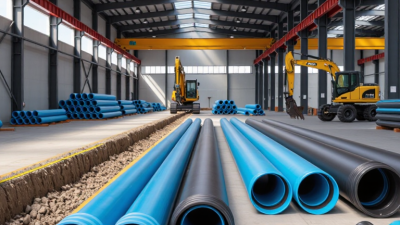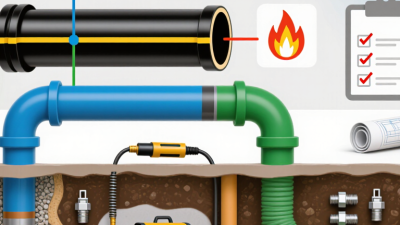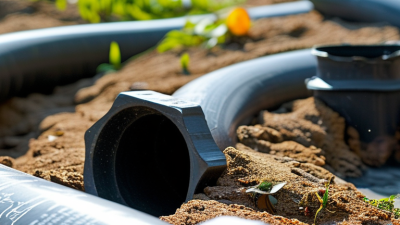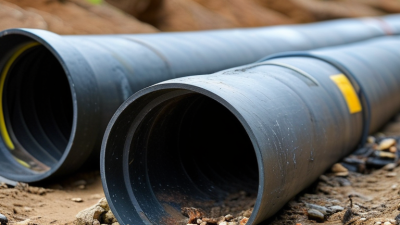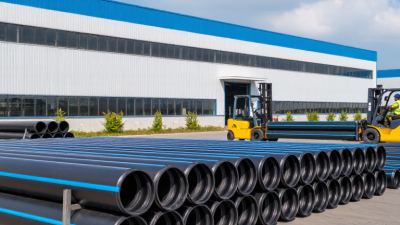
Vinidex manufacturers and supplies a broad range of products & systems to suit a range of applications.
Vinidex’s products and systems are versatile and can be used in a variety of markets and applications.
China is a major source of polyethylene pipe for water supply, drainage, gas distribution, irrigation, and industrial projects. Yet choosing a manufacturer is not as simple as comparing price lists. Resin grade, pipe dimensions, production controls, and testing records can all affect performance in the field. Details matter.
This guide introduces ten Chinese manufacturers and offers a practical starting point for comparing their capabilities. It considers product range, manufacturing experience, quality documentation, customization, export support, and service responsiveness. These factors help buyers ask more useful questions before requesting samples or quotations. A polished website is not proof of consistent production. Ask for current technical data, traceable test reports, and project references relevant to your application.
The word “top” needs care. Rankings can shift with product category, market coverage, and available evidence, so no single list fits every project. A supplier suited to municipal water networks may not be the right match for agricultural irrigation or demanding industrial use. Specifications matter. Buyers should confirm standards, operating conditions, joining methods, and delivery expectations directly with each company. Information also changes over time, and public claims may not tell the whole story. A careful review takes work, but it can reveal meaningful differences between manufacturers and reduce the risk of choosing on price alone.
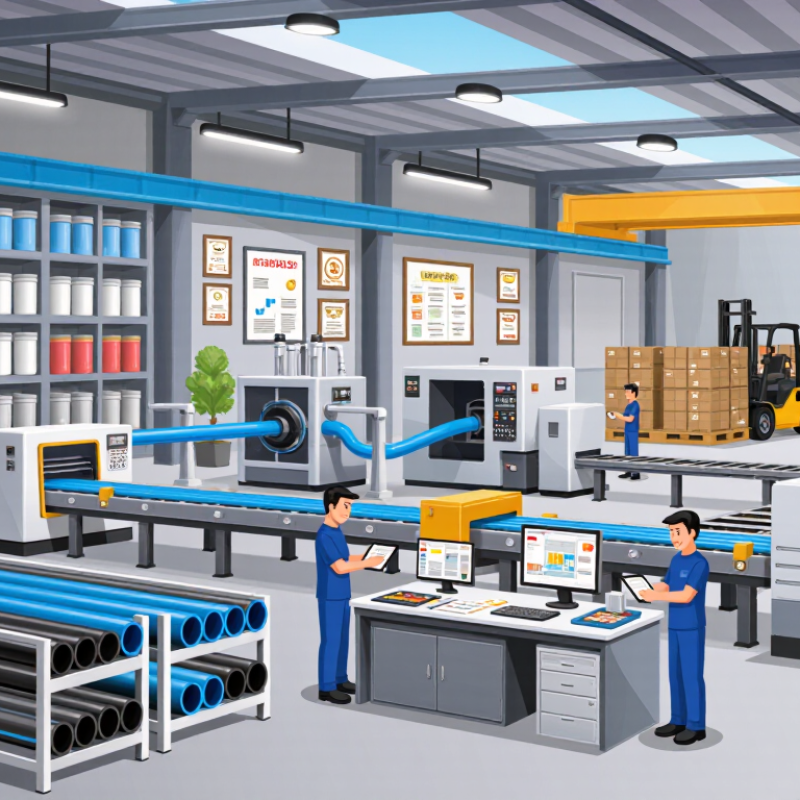
Polyethylene pipes are made from a flexible thermoplastic commonly shortened to PE. Their low weight makes long lengths easier to handle than many rigid alternatives. They resist rust and many soil-related forms of corrosion. That helps underground systems. In suitable designs, heat-fused joints create continuous connections with fewer potential leak points than some mechanical fittings. Installation quality still matters; a poorly prepared joint can undermine the pipe’s advantages.
These pipes carry drinking water, wastewater, irrigation water, and certain industrial fluids. They also protect fiber-optic and electrical cables when used as conduit. On a farm, a PE line may run beneath a field and feed drip tubing; in a town, larger pipes can move water through buried networks. Not every grade suits every job. Pressure, temperature, fluid chemistry, soil conditions, and expected service life all affect material selection. I would not call polyethylene universal. It can expand with heat, and its flexibility may require careful support or bedding. Those details are easy to overlook on a drawing. Engineers and installers should check the pipe’s rated application and follow relevant technical specifications before choosing it.
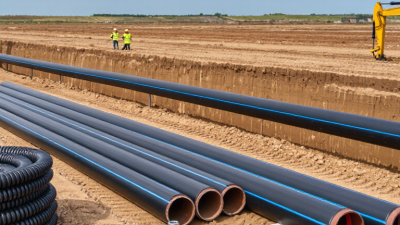
China’s polyethylene pipe industry is organized around connected roles rather than one uniform manufacturing model. Resin producers supply polyethylene materials, while pipe manufacturers turn them into products for water, drainage, gas, and industrial applications. Some factories focus on large-diameter pipes; others produce smaller sizes or fittings. Production methods and quality systems can vary by plant, so buyers should examine specific capabilities rather than rely on broad industry descriptions.
Quality checks may include dimensional measurements, pressure testing, and examination of material batches. Accredited laboratories and inspection services can provide additional verification, depending on the project and applicable standards. The chain also includes distributors, engineering contractors, and project owners, who influence product selection and delivery requirements. Regional manufacturing clusters can shorten transport routes, though local availability is not guaranteed. Details matter.
The structure is practical, but not perfectly tidy. Technical documents may differ in scope and clarity, even when products appear similar. A careful assessment should review traceability records, test reports, production capacity, and experience with the intended application. Ask how the manufacturer controls wall thickness and handles rejected batches. Those questions reveal more than a catalogue. Selection still requires judgment, especially when specifications leave room for interpretation.
A standards-based view of the PE material grades used across the pipe manufacturing sector.
The bars show Minimum Required Strength (MRS) classifications in MPa: PE 63, PE 80 and PE 100 correspond to 6.3, 8.0 and 10.0 MPa. These are material classifications, not market shares or manufacturer rankings. The industry typically spans resin and compound supply, pipe extrusion, testing and certification, and distribution and installation.
Reference: ISO 12162 thermoplastic material classification.
A leading polyethylene pipe manufacturer is defined by repeatable quality, not just large production capacity. Check whether its pipes match the specified outside diameter, wall thickness, and pressure rating. Small dimensional variations can complicate jointing on site. Ask for current test reports, material certificates, and batch traceability.
Reliable producers can explain how they control resin selection, extrusion temperatures, and cooling. Look beyond polished brochures. Independent testing and documented quality procedures offer stronger evidence than broad claims. Experience with similar water, drainage, or industrial projects also matters, especially when installation conditions are demanding.
Tips: Request sample test records and verify that they match the exact pipe grade and dimensions you plan to buy. Ask how rejected batches are identified and handled.
A supplier should also provide practical technical support, including guidance on storage, handling, and compatible joining methods. Check delivery consistency and the clarity of warranty terms. These details affect project risk as much as the pipe itself.
Be cautious of unusually low prices without a clear explanation. Price alone is not proof of poor quality, but it deserves a closer look. Even a strong manufacturer may not be the right fit if its documentation, production capacity, or support does not match your project needs.
China’s top ten polyethylene pipe manufacturers are best identified through verified production capacity, quality records, and regional supply—not marketing claims. China has no single public, audited ranking that consistently compares every producer. A list without clear criteria can mislead.
The China Plastics Processing Industry Association’s 2022 industry review reported roughly 15.3 million tonnes of plastic-pipe output nationwide. This figure covers multiple materials, not polyethylene alone. That distinction matters. For PE-specific comparisons, buyers should check audited output, pressure-rated product ranges, test facilities, and delivery coverage. The GB/T 13663 series provides relevant technical requirements for polyethylene piping systems, including material and performance tests.
A credible top-ten shortlist would favor manufacturers that publish traceable test results and demonstrate consistent production across pipe diameters. Check long-term hydrostatic strength, dimensional tolerances, and joint quality—not just annual capacity. Site audits and batch records add useful evidence. A ranking can still mislead. Public data may omit smaller producers, while reported capacity does not prove actual output. Treat any list as a starting point, then verify each supplier’s documentation and operating history.
Comparing ten polyethylene pipe manufacturers is more useful when products are matched to the job, not ranked by factory size. Their ranges may include water, gas, drainage, and industrial pipes, with different diameters, pressure ratings, and wall thicknesses. Check the technical sheet against your operating pressure and installation method. A pipe coiled beside a trench, for example, needs different handling than a large-diameter section lifted into place. Details matter.
Certifications also need context. Look for current documents covering the exact product, production site, and intended application; a certificate for one pipe series may not cover another. Requirements vary by destination market, so confirm applicable standards with the project engineer or local buyer. Some manufacturers publish traceability records and test data, while others provide less detail. Not always.
Market reach is another point of comparison: regional suppliers may offer shorter delivery times, while exporters may provide broader size ranges but longer lead times. A tidy top-ten ranking can hide these trade-offs. I would compare sample test reports, jointing guidance, and actual delivery records before treating marketing claims as proof.