Vinidex manufacturers and supplies a broad range of products & systems to suit a range of applications.
Vinidex’s products and systems are versatile and can be used in a variety of markets and applications.
Water supply lines must handle pressure, changing ground conditions, and years of daily use. Poly pipe, commonly made from polyethylene, is used in many water systems because it is flexible, lightweight, and resistant to corrosion. Unlike some rigid materials, it can follow gradual bends around trees or foundations, reducing the need for extra fittings. That can simplify installation. It may also help limit leak points when suitable joining methods are used.
The material is not a cure-all. Poly pipe must match the intended water use, operating pressure, temperature, and installation conditions. For drinking water, buyers should check that the specific pipe is certified for potable-water service, rather than assuming every polyethylene product is suitable. Pipe markings and manufacturer data matter. So does the installer’s work. Heat-fused joints, for example, depend on proper equipment and technique.
A well-chosen system can offer durable service, but soil movement, incorrect backfilling, or poor connections can still cause problems. That detail is easy to overlook. I would not select pipe by material name alone; specifications and local requirements deserve a close review. This guide explores why poly pipe is used for water supply, where its practical strengths lie, and what limits should shape a responsible choice.
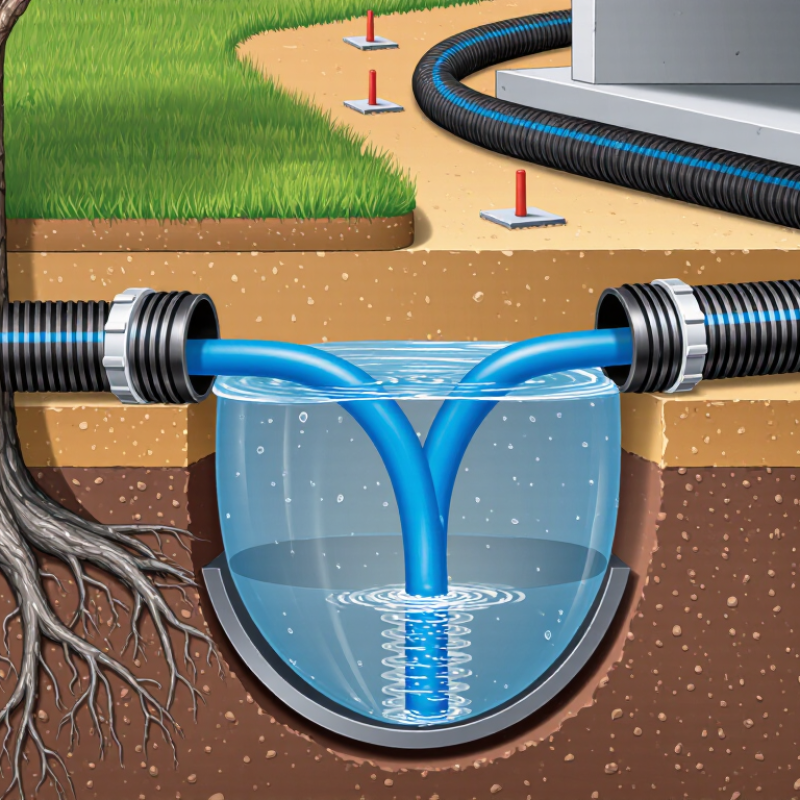
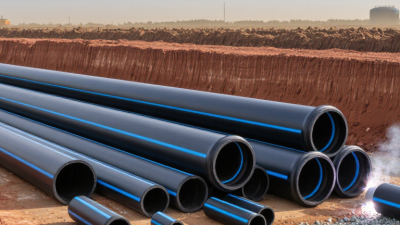
Poly pipe, often made from polyethylene, is valued for water supply because it is lightweight, flexible, and resistant to corrosion. Unlike metal pipe, it does not rust when exposed to water. Its flexibility can also help it pass around gentle bends with fewer fittings. The term “poly pipe” covers different products, though, and not every type is suitable for drinking water. Check the pipe’s intended use and pressure rating before choosing it.
Manufacturing starts with polyethylene resin, which is heated until it softens. The material is pushed through a shaped die to form a continuous hollow tube. It then passes through sizing equipment and cooling baths, which help set its diameter and wall thickness. The finished pipe is cut into lengths or wound into coils. Manufacturers may test samples for dimensions, pressure performance, and material consistency. Small things matter. A pipe that looks smooth may still need proper testing and clear product markings.
Tips: Match the pipe rating to the system’s pressure and temperature, and use fittings designed for that pipe type. Keep coils supported during handling to avoid kinks. Installation details can seem minor, but poor joining can undermine a sound pipe. Check local specifications, too; I’d never assume one product fits every water system.
Polyethylene pipe handles pressure through a balance of strength and flexibility. The Plastics Pipe Institute’s TR-4 listing gives PE4710 a hydrostatic design stress of 1,000 psi at 73°F. This is a material design value, not a promise of service pressure; pipe dimensions, temperature, and installation all matter. For a buried water main, flexibility can help the pipe follow gentle changes in ground direction without numerous fittings. It also tolerates some soil movement. Useful, but not magic.
Corrosion resistance is another practical advantage. Unlike metal, polyethylene does not rust, and its smooth interior helps limit friction as water flows. Heat-fused joints can form a continuous pipeline, reducing reliance on mechanical connections that may loosen or leak. AWWA C906 specifies requirements for polyethylene pressure pipe and fittings used in water service. Yet field results depend on clean, properly aligned fusion surfaces and trained operators. A joint can look sound and still be flawed. Temperature deserves attention, too: polyethylene softens as it gets hotter, so allowable pressure must be adjusted for operating conditions. The material supports reliable delivery, but careful design and installation do the quiet work.
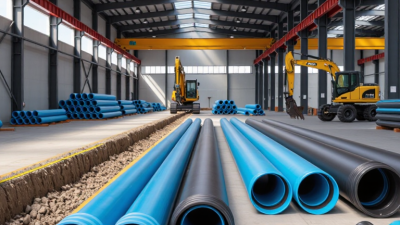
Poly pipe, usually made from polyethylene, can suit several water supply systems because it bends around gentle curves and resists corrosion. In municipal distribution, long coils can reduce the number of joints buried underground. Fewer joints may mean fewer potential leak points, though careful fusion or mechanical connections still matter. In rural networks, flexibility helps installers route pipe around rocks, fence lines, and uneven ground. The result can be practical. But it is not automatically the best choice for every layout.
For irrigation and service connections, pipe size and pressure rating should match the expected flow and operating conditions. A narrow line may deliver too little water at distant outlets, especially when several taps run together. In colder areas, buried pipe needs suitable depth and protection from freezing; flexible material can tolerate some movement, but it is not freeze-proof. Sunlight exposure can also affect above-ground pipe over time, so check the product’s UV suitability. That matters. Installation quality is easy to underestimate. A clean cut, aligned joint, and pressure test can reveal problems before trenches are covered. Even then, local soil and water conditions deserve a closer look.
Polyethylene (PE) pipe is flexible, corrosion-resistant, and available in multiple pressure classes, making it suitable for water service connections, distribution networks, and transmission mains. The chart shows common nominal pressure classes—not pressure recommendations for a specific system.
How to read this: PN indicates a nominal pressure class in bar, generally referenced at 20°C. Actual allowable operating pressure depends on the pipe material, dimensions, applicable standard, temperature, and design conditions.
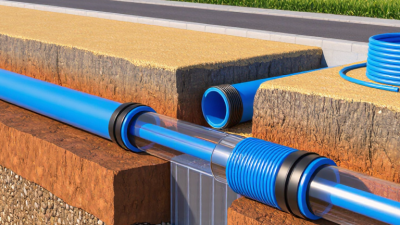
Polyethylene pipe’s flexibility can simplify installation around bends and reduce the need for some fittings. But the trench still matters. A stable, evenly graded bed helps prevent point loading from sharp stones, while backfill should support the pipe without crushing it. Fusion joints need clean, aligned surfaces and controlled heating; dirt or moisture can compromise the connection. Small details count. Before burial, crews should inspect joints and pressure-test the line under the project’s approved procedure. The Plastics Pipe Institute’s Handbook of PE Pipe uses a 50-year design basis for pressure ratings at 23°C. That is a design assumption, not a promise that every installed system will last exactly 50 years.
Maintenance should focus on leaks, pressure changes, exposed sections, and fittings near valves or service connections. The AWWA-sponsored 2012 report Water Main Break Rates in the USA and Canada estimated an average of about 11.1 breaks per 100 miles of water main annually across the systems studied. That figure covers multiple pipe materials, so it should not be read as a poly-pipe failure rate. It does show why utilities track repairs and inspect vulnerable locations. One overlooked risk is ground movement near a poorly supported connection. That deserves a second look during routine checks. Keep installation records, test results, and repair locations together; they make recurring problems easier to trace.
Polyethylene pipe handles corrosion well, but that does not make it suitable for every water line. Temperature and pressure need careful review. The Plastic Pipe Institute’s Handbook of Polyethylene Pipe gives a thermal expansion coefficient of about 8 × 10⁻⁵ inches per inch per °F. A 100-foot run exposed to a 50°F temperature change could therefore move roughly 4.8 inches if unconstrained. That movement matters. Long, exposed sections may need suitable restraint and allowance for expansion.
Pressure capacity also changes with operating conditions. AWWA Manual M55, PE Pipe—Design and Installation, addresses pressure, temperature, surge, and installation in pipe design. Designers should check the pipe’s pressure rating against actual service temperatures and transient pressures, rather than relying only on a nominal rating. Water hammer can create short pressure spikes, and a comfortable margin on paper may not account for the real system.
Installation is another limitation. Fusion joints depend on clean pipe surfaces, correct heating, alignment, and cooling time; poor field control can undermine an otherwise sound design. Trench conditions matter, too: sharp stones and uneven bedding can concentrate loads on the pipe wall. These details are easy to underestimate. The right choice depends on site conditions, operating data, and workmanship—not material alone.
| Consideration | Why It Can Suit Water Supply | Limitations and Selection Checks |
|---|---|---|
| Material and application | “Poly pipe” commonly refers to polyethylene (PE) pipe, including high-density polyethylene (HDPE), used in many buried water-service and distribution applications. | Confirm the pipe material, intended service, and applicable local standards. Products for non-potable use may not be approved for drinking-water systems. |
| Corrosion resistance | PE does not rust like iron or steel, which can be an advantage in wet or corrosive soil conditions. | Corrosion resistance does not make the system immune to damage. Check compatibility with chemicals, soil conditions, fittings, and any protective requirements. |
| Flexibility | Its flexibility can help accommodate changes in direction and some ground movement, potentially reducing the number of fittings required. | Respect the product’s minimum bend radius and installation instructions. Flexibility does not prevent damage from excessive bending, kinking, crushing, or poor bedding. |
| Jointing | Compatible PE pipes can be joined by heat fusion, creating a joint that can be as strong as the pipe when the procedure is correctly controlled. | Fusion requires suitable equipment, trained operators, clean surfaces, and correct temperature and timing. Mechanical connections must also be compatible with the pipe and design pressure. |
| Pressure rating | PE pipes are available in different pressure classes and dimensions for a range of water-system designs. | Do not choose by diameter alone. Verify the marked pressure rating, material designation, dimension ratio (SDR), operating temperature, surge conditions, and applicable design standard. |
| Temperature | PE is suitable for many cold-water applications and can tolerate limited movement without becoming brittle under ordinary service conditions. | Allowable pressure can decrease as operating temperature rises. Check the manufacturer’s temperature and pressure limits; hot-water service requires a product specifically rated for it. |
| Thermal expansion | Flexibility can help a system accommodate some expansion and contraction. | PE expands and contracts more with temperature changes than many metal pipes. Account for movement in exposed runs, supports, restraints, and connection details. |
| Sunlight exposure | Some PE pipe products are formulated for outdoor exposure and can be suitable for above-ground use when specifically rated for it. | UV resistance depends on the product formulation and marking. Confirm the manufacturer’s exposure guidance rather than assuming every PE pipe can remain in direct sunlight indefinitely. |
| Drinking-water safety | Products certified or approved for potable water can be used in drinking-water systems where permitted by local rules. | Check the required local potable-water certification and ensure that pipe, fittings, seals, and joining materials are all suitable for drinking-water contact. |
| Contaminated ground | PE is resistant to many forms of soil-related corrosion. | Some chemicals and petroleum-based contaminants can permeate certain plastic pipes. In contaminated sites, obtain a site-specific assessment and follow local utility guidance. |
| Installation and protection | Light weight can make handling and transport easier than for some metal pipe systems. | Use the specified trench preparation, bedding, cover, and backfill. Protect pipe from sharp objects, point loads, construction traffic, and damage during installation. |
| Long-term performance | Correctly selected and installed PE pipe can provide durable service in suitable water-system conditions. | Service life depends on material grade, pressure, temperature, water chemistry, installation, and maintenance. Avoid relying on a single lifespan figure without product-specific design data. |