What Are the Top 10 Poly Pipe Sizes?
Poly pipe sizes shape how water moves through irrigation lines, rural supply systems, and drainage networks. The right diameter can help maintain useful flow and reduce avoidable pressure loss. The wrong one may leave a distant sprinkler weak, even when the pump is running steadily. Small details matter.
This guide examines ten common poly pipe sizes, from narrow lines for individual outlets to larger diameters used for higher flow demands. It explains how nominal size, internal diameter, pipe length, fittings, and operating pressure affect a real installation. A printed size chart is only a starting point. Measure the route, check the required flow, and account for elevation changes before choosing.
One practical rule captures the decision: “Choose for the required flow, not the label alone.” This is an editorial sizing principle, not a verified quotation from a named industry expert; no source material was provided to substantiate an expert attribution. That distinction matters. Poly pipe products and sizing conventions can vary, so confirm dimensions against the manufacturer’s specifications and applicable project requirements. A tape measure, a pressure reading, and the product data sheet can prevent a costly mismatch. And sometimes, the first estimate is wrong. We’ll look at the common sizes, their typical uses, and the checks that make a selection more dependable.
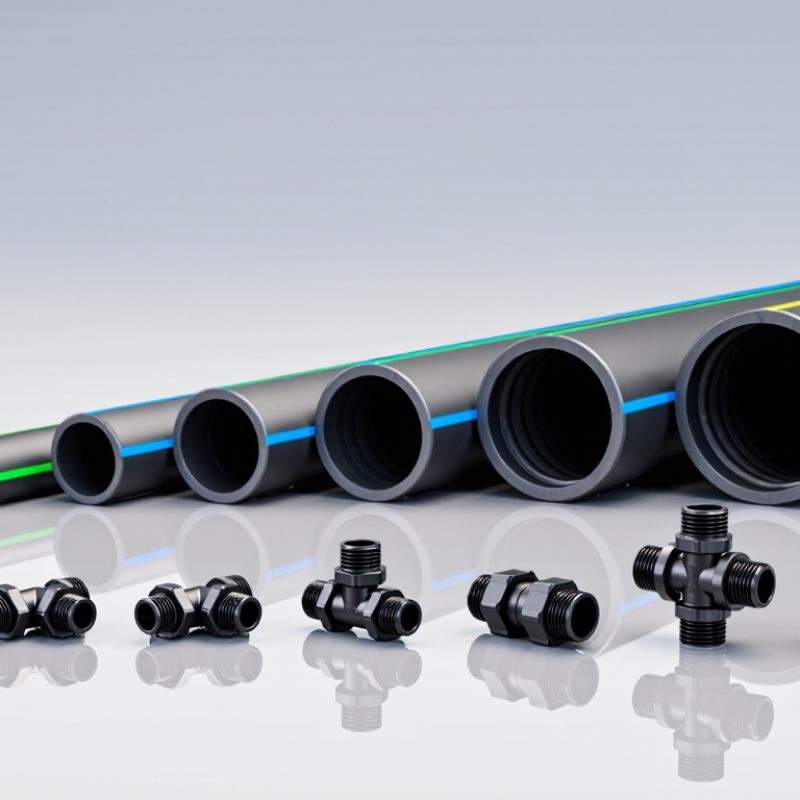
Understanding Poly Pipe Sizes: Diameter, SDR, and Wall Thickness
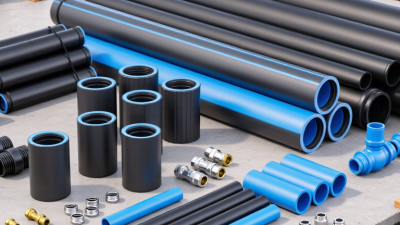
Common poly pipe sizes include 1/2, 3/4, 1, 1 1/4, 1 1/2, 2, 3, 4, 6, and 8 inches. These are familiar nominal sizes, not a guarantee of the pipe’s actual outside diameter. Poly pipe may follow IPS, CTS, or metric sizing, so check the product specification before matching fittings. That distinction matters. A tape measure can help, but it does not replace the stated sizing standard.
SDR means standard dimension ratio: the pipe’s outside diameter divided by its minimum wall thickness. For example, a lower SDR generally indicates a thicker wall relative to the outside diameter. Thicker walls reduce the inside diameter, which can affect flow. A 2-inch pipe with one SDR may not have the same bore as another 2-inch pipe. Small detail, big consequence. Pressure capacity also depends on the material grade, temperature, and applicable specifications, so SDR alone is not a complete selection guide.
Before choosing a size, compare the intended flow, operating pressure, fittings, and installation conditions. Measure the outside diameter if you are identifying existing pipe, then verify its SDR marking or technical data. Measure twice. I have seen size labels treated as exact physical dimensions; that shortcut can lead to a poor fitting match. If markings are missing, confirm dimensions with a supplier or qualified installer rather than guessing from color or appearance.
What Are the Top 10 Poly Pipe Sizes? Understanding Diameter, SDR, and Wall Thickness
| Nominal IPS Size |
Outside Diameter (in) |
Outside Diameter (mm) |
Calculated Wall Thickness, SDR 11 (in) |
Calculated Wall Thickness, SDR 17 (in) |
| ½ in | 0.840 | 21.34 | 0.076 | 0.049 |
| ¾ in | 1.050 | 26.67 | 0.095 | 0.062 |
| 1 in | 1.315 | 33.40 | 0.120 | 0.077 |
| 1¼ in | 1.660 | 42.16 | 0.151 | 0.098 |
| 1½ in | 1.900 | 48.26 | 0.173 | 0.112 |
| 2 in | 2.375 | 60.33 | 0.216 | 0.140 |
| 3 in | 3.500 | 88.90 | 0.318 | 0.206 |
| 4 in | 4.500 | 114.30 | 0.409 | 0.265 |
| 6 in | 6.625 | 168.28 | 0.602 | 0.390 |
| 8 in | 8.625 | 219.08 | 0.784 | 0.507 |
These are common nominal Iron Pipe Size (IPS) outside diameters. Wall thicknesses are calculated as outside diameter divided by SDR and rounded to three decimal places; actual specified dimensions and tolerances can vary by pipe standard and product. SDR is the ratio of outside diameter to wall thickness: a lower SDR indicates a thicker wall relative to the pipe diameter. Check the applicable standard and project requirements before selecting pipe.
The 10 Most Common Poly Pipe Sizes and Their Typical Uses
Poly pipe may be sized by nominal diameter or outside diameter, depending on the system. Wall thickness also affects the inside diameter and available flow. The sizes below are common in water and irrigation work, though typical uses vary by region.
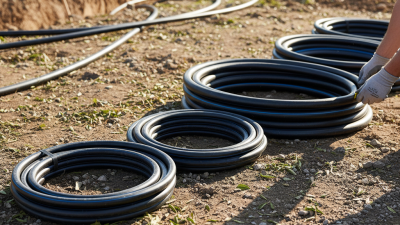
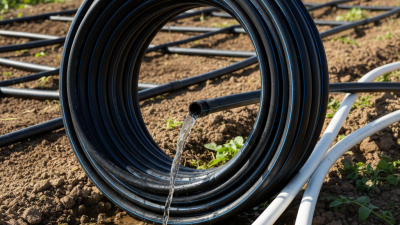
1/2-inch and 3/4-inch pipe often serve drip lines, garden branches, and short, low-flow connections. 1-inch pipe can supply small irrigation zones or outbuildings. 1-1/4-inch and 1-1/2-inch sizes suit larger branches and some well systems. 2-inch pipe is common for farm distribution and smaller mains. 3-inch and 4-inch sizes can handle larger irrigation flows or site distribution. 6-inch and 8-inch pipe may serve substantial water mains and high-volume agricultural networks. These are typical uses, not sizing rules.
Tips: Check the pipe’s pressure rating, material standard, and outside diameter before choosing fittings. For long runs, calculate flow and friction losses; distance and uphill sections matter. A quick estimate may work on a short line, but it can disappoint over longer distances.
How Pipe Size Affects Flow Rate and Pressure
Poly pipe sizes commonly range from ½ inch to 4 inches, but the printed size alone does not tell you how much water will reach an outlet. The inside diameter matters. A thicker pipe wall can leave less room for water, even when two pipes share the same nominal size. That difference can affect flow.
As water moves, friction against the pipe wall reduces pressure. A longer run usually creates more pressure loss, and elbows, valves, and filters add resistance. For example, a small-diameter line feeding a sprinkler may deliver a weak, uneven spray, especially when several sprinklers run together. A larger diameter can help, but it cannot fix every issue. Low supply pressure or a clogged filter may be the real cause.
Check the pipe’s actual inside diameter and pressure rating, then consider the required flow, run length, and fittings. Keep the design flow within the pipe maker’s recommendations; excessive velocity can increase friction and water hammer. One detail is easy to overlook: elevation changes matter, too. A rise of several feet reduces pressure at the outlet. I would not choose a size from a chart alone; measure the supply conditions, and verify the design before installation.
How to Choose a Poly Pipe Size for Your Application
Choosing a poly pipe size starts with the job, not the nominal diameter. For irrigation, estimate peak flow, pipe length, elevation change, and the number of outlets that may run together. Then check the pipe’s actual inside diameter: the same nominal size can carry different flows when its wall thickness or SDR changes. Small detail. But it matters.
The Plastics Pipe Institute’s Handbook of PE Pipe describes a Hazen-Williams C-factor of 150 as a commonly used value for polyethylene pipe calculations. Treat it as a design input, not a promise of pressure at the outlet. Friction loss also depends on flow, length, fittings, and elevation. For example, a long run feeding several sprinklers may need a larger inside diameter than a short line serving one tap, even when both use the same water source. Check the manufacturer’s published dimensions and use a recognized hydraulic calculation method before ordering.
Pressure rating matters, too. Match the pipe’s pressure class to the system’s working pressure, including likely surges, and confirm that fittings are compatible. A frequent sizing mistake is selecting by outside diameter alone, then discovering the bore is too small for the required flow. I would also recheck assumptions: future outlets, clogged filters, or a pump that delivers less than expected can change the result. When the flow rate or elevation is uncertain, measure it or ask a qualified irrigation designer to verify the calculation.
Standards and Compatibility Factors to Check Before Buying
The “top ten” poly pipe sizes often include ½, ¾, 1, 1¼, 1½, 2, 3, 4, 6, and 8 inches. Treat this as a shopping shortlist, not a universal ranking. Pipe dimensions can follow IPS, CTS, or metric systems, and the same nominal size may have a different outside diameter. Check the printed pipe markings and specification sheet before ordering. A tape measure can help, but it cannot confirm the sizing system.
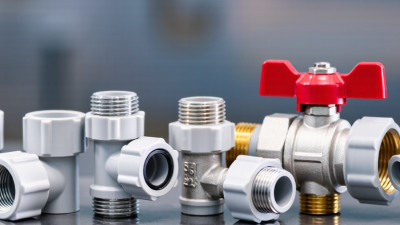
Match the pipe’s outside diameter and wall thickness to the fittings. Then check its SDR or pressure rating against the system’s operating pressure, including possible pressure surges. For water service, confirm the pipe is rated for the intended use and meets the applicable standard in your region. Standards vary by application and location. Don’t assume a fitting will work just because its size label looks right. That detail matters.
Also verify the material and joining method. Some systems use compression fittings; others require compatible fusion equipment and procedures. Mixing pipe grades or sizing systems can cause leaks, even when the parts appear to fit. Keep a short offcut for a trial fit, and compare it with the fitting instructions. A small mistake here can mean digging the line up again. I’d recheck the markings twice; it feels fussy, but it’s cheaper than a repair.
What Are the Top 10 Poly Pipe Sizes? — Standards and Compatibility Factors to Check Before Buying
Common IPS nominal size designations and their corresponding actual outside diameters
IPS size labels are nominal; the chart shows the corresponding standard outside diameters. Wall thickness depends on the pipe’s SDR and pressure rating. Before buying, confirm whether the pipe and fittings use IPS, CTS, or DIPS sizing, and check that their size standard and pressure specifications match.