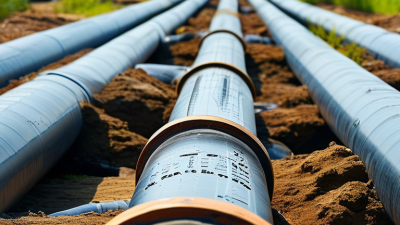
How to Choose PVC Pressure Pipe Fittings?
Choosing pvc pressure pipe fittings is not a matter of matching diameters alone. A fitting may look right on a workbench yet fail to suit the pipe’s pressure rating, fluid, temperature, or joining method. The details matter. Check the product markings, technical data sheet, and applicable system requirements before buying. For example, a pressure-rated fitting designed for solvent cement may not be interchangeable with a threaded fitting, even when both fit the same pipe size.
A useful selection principle is: “Match the fitting to the system’s pressure, material, and installation conditions—not just its diameter.” This is an editorial summary, not a verified quotation. No source was provided to confirm a named industry expert’s exact words, so attributing it to a person would be misleading. A named expert quotation should be checked against a reliable source before publication.
This guide will help you compare fitting types, pressure ratings, connection styles, and material compatibility. It will also cover practical checks, such as inspecting socket depth, confirming the manufacturer’s specifications, and avoiding mismatched components. A small mismatch can matter. The goal is a dependable connection that fits the piping system as designed, not simply a part that appears to fit.
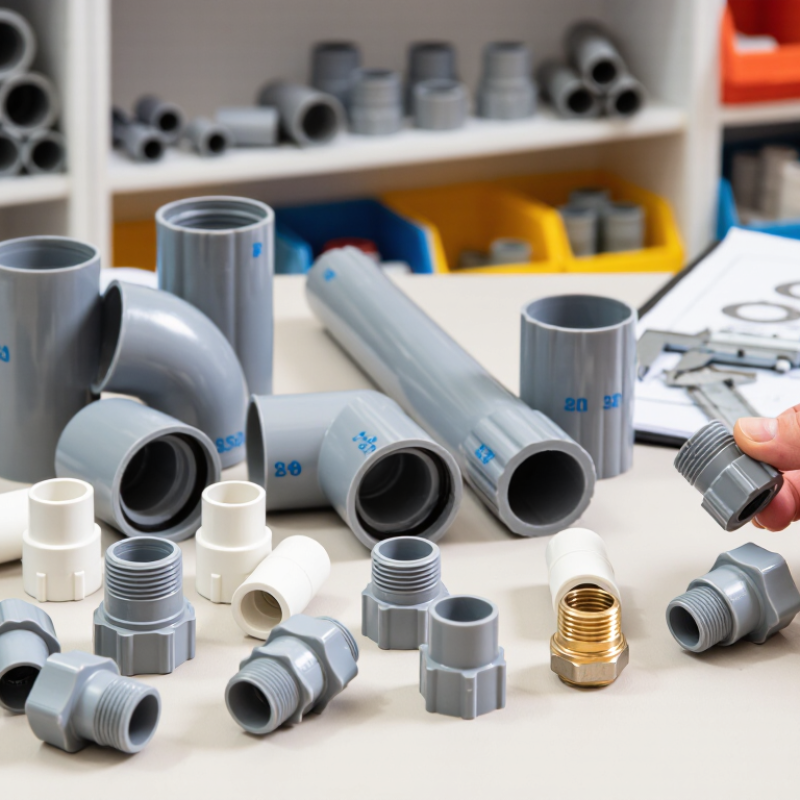
Identify Design Pressure and Temperature Using the 73°F PVC Rating Basis
How to Choose PVC Pressure Pipe Fittings?
PVC pressure ratings commonly use water at 73°F (23°C) as the reference condition. This is a baseline, not a guarantee for every installation. As operating temperature rises, allowable pressure generally decreases. Use the fitting manufacturer’s temperature derating chart to find the adjusted rating for your actual service temperature. Do not rely only on the number printed for 73°F.
Compare the adjusted pressure rating with the system’s maximum expected pressure, including pump startup, static head, and pressure surges. The fitting, pipe, and joints should all suit the conditions; the lowest-rated component can limit the assembly. Check the product’s technical data for material, size, and pressure class. It is tempting to use the room temperature reading, but that shortcut deserves a second look. A brief warm cycle may be easy to overlook.
Tips: Record both design pressure and highest fluid temperature before selecting fittings. Check the derating chart, then confirm chemical compatibility and joining instructions. If conditions fall outside the published data, ask a qualified piping professional rather than guessing.
Choose Fitting Type and Schedule: ASTM D2466 Schedule 40 or D2467 Schedule 80
How to Choose PVC Pressure Pipe Fittings?
Choose the fitting type and schedule for the system’s pressure, fluid, and pipe dimensions. ASTM D2466 fittings are Schedule 40; ASTM D2467 fittings are Schedule 80. Schedule 80 walls are thicker, which generally means a smaller inside diameter for the same nominal size. They may suit higher-pressure service, but the fitting’s rated pressure depends on its size and operating temperature. Check the manufacturer’s rating rather than assuming Schedule 80 is always sufficient.
Tips: Match the fitting schedule to the pipe schedule. Verify nominal size, connection type, and temperature limits before installation. A thicker wall does not fix a mismatched connection. Follow the specified solvent-cement procedure, and allow the joint to cure before pressure testing.
Think about flow, too. The smaller bore of Schedule 80 can affect flow rate, especially across many fittings. In a cramped pump room, a bulky fitting may also be harder to support or service. It is easy to focus only on pressure ratings; I have seen that comparison miss practical layout needs. Check system design requirements and use compatible components throughout the pressure line.
Match Nominal Size and Joining Ends to ASTM D1785 Pipe
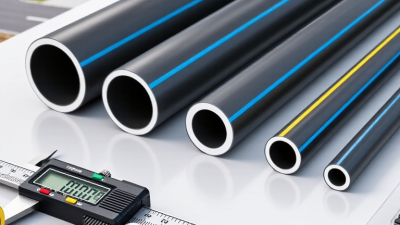
Match the fitting’s nominal size to the pipe marking, not to a quick measurement across its opening. ASTM D1785 PVC pressure pipe follows standardized dimensions, but its schedule affects wall thickness and pressure rating. Check the pipe label for both nominal size and schedule before selecting a fitting. A fitting that looks close may still have a socket that is too loose or too tight. Small mismatch, big trouble.
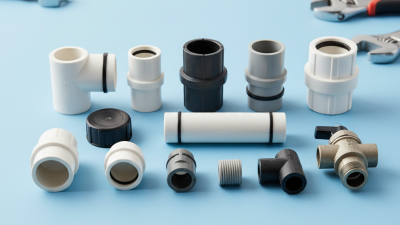
Next, identify each joining end. A socket end is designed for a compatible solvent-cement joint; a threaded end needs matching tapered pipe threads. Some fittings combine both, so inspect every connection rather than assuming the ends are alike. Dry-fit the parts gently. They should align without force, and threaded connections should start smoothly by hand. For solvent cement, follow the product instructions for preparation and cure time. A rushed joint can look sound but leak under pressure. It happens.
Also compare the fitting’s pressure rating with the system requirements, especially when schedules differ. Nominal size alone does not confirm pressure compatibility. If markings are missing, dimensions seem inconsistent, or the pipe and fitting standards are unclear, pause and verify with technical documentation. Guessing is tempting, but pressure systems punish small assumptions.
How to Choose PVC Pressure Pipe Fittings? - Match Nominal Size and Joining Ends to ASTM D1785 Pipe
| Nominal Pipe Size (NPS) |
ASTM D1785 Pipe Outside Diameter |
Socket-End Fitting Match |
Threaded-End Fitting Match |
Selection Check |
| 1/2 in. |
0.840 in. (21.3 mm) |
1/2 in. nominal socket |
1/2 in. nominal pipe thread |
Confirm the fitting is intended for the pipe’s schedule and pressure service. |
| 3/4 in. |
1.050 in. (26.7 mm) |
3/4 in. nominal socket |
3/4 in. nominal pipe thread |
Match nominal size; do not select by measuring the pipe’s inside diameter. |
| 1 in. |
1.315 in. (33.4 mm) |
1 in. nominal socket |
1 in. nominal pipe thread |
For solvent-cement joints, use compatible PVC components and follow their instructions. |
| 1-1/4 in. |
1.660 in. (42.2 mm) |
1-1/4 in. nominal socket |
1-1/4 in. nominal pipe thread |
Check that the fitting end type matches the connection method on the other component. |
| 1-1/2 in. |
1.900 in. (48.3 mm) |
1-1/2 in. nominal socket |
1-1/2 in. nominal pipe thread |
Verify the fitting’s pressure rating at the system’s operating temperature. |
| 2 in. |
2.375 in. (60.3 mm) |
2 in. nominal socket |
2 in. nominal pipe thread |
Check whether each fitting end is socket, threaded, or a combination of both. |
| 2-1/2 in. |
2.875 in. (73.0 mm) |
2-1/2 in. nominal socket |
2-1/2 in. nominal pipe thread |
Confirm that the fitting standard and pressure class suit the application. |
| 3 in. |
3.500 in. (88.9 mm) |
3 in. nominal socket |
3 in. nominal pipe thread |
Use the fitting manufacturer’s joining procedure and applicable installation code. |
| 4 in. |
4.500 in. (114.3 mm) |
4 in. nominal socket |
4 in. nominal pipe thread |
Do not assume a nominal-size match alone confirms pressure or material compatibility. |
| 6 in. |
6.625 in. (168.3 mm) |
6 in. nominal socket |
6 in. nominal pipe thread |
Check availability and suitability of the required end configuration for the system. |
|
Notes: ASTM D1785 specifies PVC pipe dimensions and requirements; it does not by itself specify every fitting. Match the fitting’s nominal size to the pipe size, then verify the fitting standard, schedule or pressure rating, material, and joining-end dimensions. Socket ends are designed for compatible pipe outside diameters and solvent-cement joining. Threaded ends must have compatible tapered pipe threads; follow the fitting instructions and avoid excessive tightening.
|
Apply Manufacturer Temperature Derating Above 73°F
How to Choose PVC Pressure Pipe Fittings?
Apply Manufacturer Temperature Derating Above 73°F
PVC pressure ratings are typically stated at 73°F. When water or the pipe wall gets hotter, allowable working pressure falls. The Plastics Pipe Institute’s Handbook of PVC Pipe explains that design conditions, including temperature, affect pressure capacity. Check the fitting maker’s current derating chart, not just the pipe label.
For a practical comparison, published PVC temperature charts commonly show factors near 0.62 at 100°F and 0.40 at 120°F. A fitting rated for 150 psi at 73°F would therefore have an illustrative adjusted rating of about 93 psi at 100°F. These figures are examples, not universal ratings; material, fitting design, and manufacturer tables can differ. Check the exact part.
Look at the real operating temperature, not only the room reading. A sunlit pipe run above a boiler room can be warmer than the surrounding air. Apply the derating factor to the rated pressure, then account for pump surges and the lowest-rated component in the assembly. ASTM D2466 identifies requirements for Schedule 40 PVC fittings, but it does not replace product-specific temperature limits. I would verify the chart and operating conditions twice; small details are easy to miss.
Verify Solvent Cement Meets ASTM D2564 and Required Cure Times
When choosing PVC pressure fittings, match the fitting’s size, material, and pressure rating to the pipe. For a solvent-weld joint, verify that the cement is made for PVC and meets ASTM D2564. Check the container and technical instructions, not just a similar-looking label. A poor fit can leak under pressure.
Prepare clean, square pipe ends and remove burrs so they do not scrape cement from the fitting wall. Use primer or cleaner when the cement instructions or project requirements call for it. Apply cement evenly, assemble the joint promptly, and hold it briefly to prevent push-out. Then follow the stated cure time before testing or pressurizing. Cure times vary with pipe diameter, temperature, humidity, and the specific product. A cool, damp work area may require longer. The surface can feel dry while the joint is still uncured. Looks dry? Not cured. It is tempting to rush this step; a neat-looking joint can still fail if disturbed too soon.
Tips: Keep the cement container closed between joints. Check the cure-time chart for your pipe size and jobsite temperature. If conditions fall outside its listed range, ask the cement supplier for guidance rather than guessing.
How to Choose PVC Pressure Pipe Fittings?
Match fittings to the pipe’s nominal size and actual outside diameter (OD). The chart shows standard Schedule 40 PVC pipe dimensions.
Nominal size is not the pipe’s measured outside diameter; confirm compatibility with the fitting’s size and applicable product specifications. Use solvent cement that meets ASTM D2564, and follow its manufacturer’s instructions for application and cure time. ASTM D2564 does not provide one universal cure-time schedule; required time depends on installation conditions and the cement instructions.