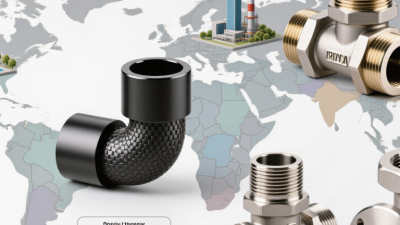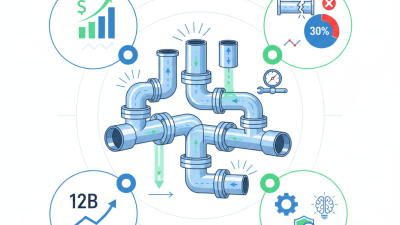
Vinidex manufacturers and supplies a broad range of products & systems to suit a range of applications.
Vinidex’s products and systems are versatile and can be used in a variety of markets and applications.
Choosing pressure pipe fittings is not a catalog exercise. A fitting may look right on the bench and still fail the system’s pressure, temperature, or compatibility requirements. Start with the actual service conditions: fluid type, operating range, pressure surges, and exposure to corrosion. Then confirm the pipe material, nominal size, wall thickness, and connection method. Small mismatches matter. A thread that engages poorly or a gasket that does not suit the fluid can create leaks, rework, and downtime.
Engineering author Henry Petroski’s phrase “To Engineer Is Human” offers a useful reminder: sound design depends on checking assumptions. For pressure pipe fittings, that means reviewing manufacturer data and applicable engineering specifications rather than relying on appearance or habit. Compare ratings at the expected temperature, not just at room conditions. Check whether the fitting supports the intended joining method and whether installation tools can reach it. A cramped valve station, for example, may make a theoretically suitable fitting difficult to inspect or maintain.
This guide explains how to compare materials, pressure ratings, connection types, and quality documentation. It also highlights common selection mistakes and questions to ask suppliers. No checklist replaces a qualified engineering review. And details can still be missed. Record the basis for each choice, especially when service conditions may change. That record helps teams reassess the selection before a small uncertainty becomes a costly problem.
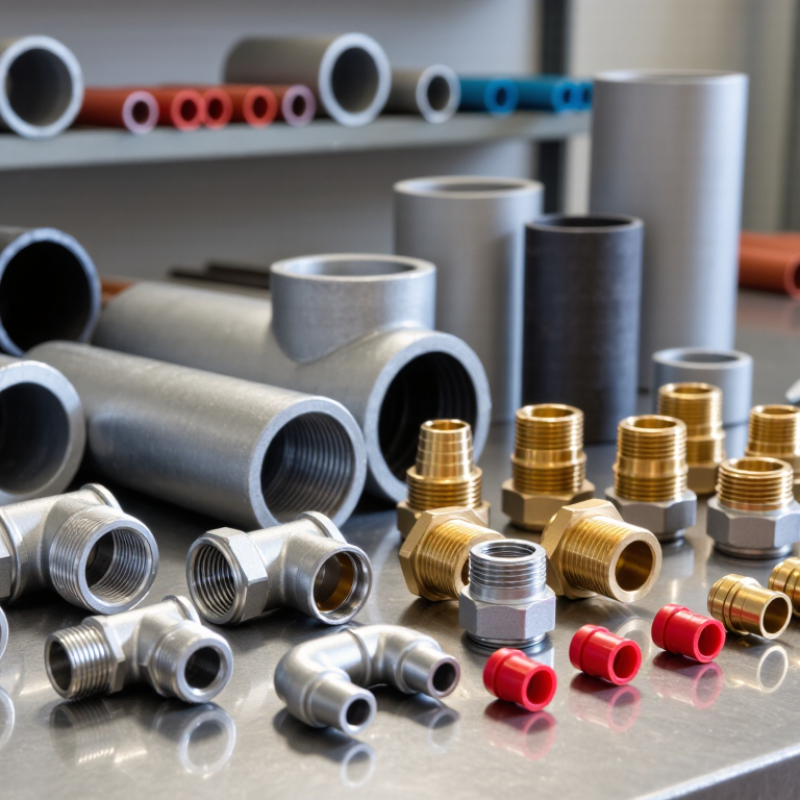
Pressure pipe fittings connect pipe sections and help a system change direction, branch, or reduce pipe size. They also help contain fluid under pressure. A fitting is not just a connector. Its material, shape, and joint type affect flow, sealing, and maintenance access. A sharp turn, for example, can create more resistance than a gradual bend. Small details matter.
Choosing a fitting starts with the operating conditions. Check the pipe size, fluid, temperature, pressure rating, and connection method. The rating must suit the system, including pressure changes during startup or shutdown. A mismatch can cause leaks or premature wear. In the field, drawings may not show every vibration or cramped access point, so inspect the actual installation when possible. I have seen a fitting appear suitable on paper but prove awkward to tighten once nearby equipment is in place.
Tips: Compare fitting and pipe materials for compatibility, and check the lowest pressure rating in the assembled line. Confirm dimensions before installation. Keep the joint clean, follow the specified tightening method, and inspect for leaks during commissioning. Don’t force a poor fit. It can hide a problem, not solve one.
A pressure rating only matters at the fluid’s actual operating temperature. Record normal pressure, maximum pressure, startup surges, and temperature swings before selecting a fitting. A pump that starts against a closed valve can create brief spikes beyond the steady gauge reading. Check the full pressure-temperature rating, not just the number printed for room-temperature service.
The Plastics Pipe Institute’s Handbook of PE Pipe lists temperature compensation factors for polyethylene pipe, including 0.62 at 100°F and 0.40 at 120°F. These figures apply to PE pipe, not automatically to every fitting; verify the fitting’s own rating and applicable standard. ASME B16.5 likewise provides pressure-temperature ratings by material group and class for flanges and flanged fittings. Small details matter. Note whether the fluid contains chlorides, oils, abrasive particles, or cleaning chemicals, since compatibility can change with temperature and concentration. A fitting that suits clean water may not suit a warm chemical line. It is easy to overlook short cleaning cycles; they can expose components to harsher conditions than routine operation. Check the fluid supplier’s data and the fitting material’s compatibility guidance, then leave a margin for uncertainty.
| Selection Dimension | What to Determine | Practical Guidance | Effect on Fitting Selection |
|---|---|---|---|
| Operating pressure | Normal operating pressure and the maximum pressure the system may experience. | Record pressure in consistent units, such as bar or psi. Include pump shutoff pressure and other credible operating conditions. | Select fittings whose pressure ratings meet or exceed the applicable design requirements at the service temperature. Check the rating for the exact material, size, end connection, and product standard. |
| Pressure surges | Potential transient pressure from pump starts or stops, rapid valve closure, or flow changes. | Water-hammer pressure can briefly exceed steady operating pressure. Estimate or measure the surge where it could affect the system. | Allow for transient loads in the design. A fitting’s steady-state rating alone may not establish suitability for repeated or severe pressure surges. |
| Temperature | Minimum, normal, and maximum fluid and ambient temperatures. | Use the highest credible service temperature, not only the average. Many thermoplastics lose allowable pressure capacity as temperature rises; for example, pressure-rated PVC pipe products commonly specify a maximum service temperature around 60°C (140°F), subject to the product standard and manufacturer’s data. | Check the pressure–temperature rating or derating table for the specific fitting. Do not assume a room-temperature pressure rating remains valid at elevated temperatures. |
| Fluid composition | Fluid name, concentration, additives, contaminants, and whether the fluid is a gas or liquid. | Identify the complete fluid mixture where possible. Compatibility can change with concentration, temperature, pressure, and exposure time. | Confirm compatibility of the fitting body, seals, gaskets, and joining materials. For example, 316 stainless steel is often selected for improved resistance to many chloride-containing environments compared with 304 stainless steel, but it is not resistant to every chloride condition. |
| Corrosion and erosion | Presence of corrosive chemicals, dissolved salts, suspended solids, or high-velocity flow. | Consider corrosion rates, erosion risk, and any required service life. Abrasive particles and high velocity may accelerate wear at changes in direction. | Choose a suitable material and fitting geometry. Elbows, reducers, and tees may need particular attention where solids or high flow velocities are present. |
| Connection type | Pipe material, size, wall thickness, and joining method. | Confirm whether the system uses threaded, flanged, welded, brazed, solvent-cemented, or mechanically joined connections. Verify dimensional compatibility and applicable standards. | Use fittings designed for the pipe system and service conditions. Connection ratings and installation requirements can differ from those of the fitting body. |
| Mechanical and installation loads | Vibration, pipe movement, external loads, support spacing, and installation access. | Account for thermal expansion, misalignment, vibration, and loads transferred from unsupported pipework. | Provide appropriate supports and select connection styles suited to expected movement and maintenance needs. Do not rely on a fitting to correct poor alignment or unsupported piping. |
| Codes and service requirements | Applicable piping code, regulatory requirements, inspection needs, and design life. | Identify the governing code and required product or material standards before specifying components. | Verify that fittings, materials, dimensions, and joining procedures comply with the project requirements. Use documented product data and qualified installation procedures. |
Important: Pressure capacity is product-specific and can change with temperature, size, material, connection type, and applicable standard. Confirm final selection against the fitting manufacturer’s current technical data and the governing piping code.
Pressure-fittings selection starts with the fluid, temperature, and operating pressure—not material price alone. PVC is lightweight and corrosion-resistant, while stainless steel suits many hot or chemically demanding services. Polyethylene tolerates movement and impact, but its pressure rating changes with temperature. Check the complete fitting rating, not just the pipe’s. AWWA Manual M23 uses a Hazen-Williams C-factor of 150 for PVC hydraulic calculations; this is a design value, not a guarantee of field flow. Real systems have bends, deposits, and imperfect installation.
Connection type changes maintenance and leak risk. Solvent-cement sockets make compact PVC joints, but require clean, dry surfaces and adequate curing time. Threaded joints are easy to inspect, yet excessive tightening can split plastic fittings. Flanges allow removal around pumps and valves; they need space and careful bolt tightening. For polyethylene, the Plastics Pipe Institute’s Handbook of Polyethylene Pipe describes heat fusion as forming an integral joint when properly performed. That joint still depends on alignment, surface preparation, and controlled heating. Small details matter. Before choosing, compare pressure and temperature limits, chemical compatibility, and the crew’s joining skills. I would also verify the manufacturer’s installation instructions; assumptions made at the bench can fail underground.
How to Choose the Right Pressure Pipe Fittings? Verify Dimensions, Standards, and System Compatibility
Start with the pipe, not the catalog image. Confirm nominal size, outside diameter, wall thickness or schedule, and end connection. A 2-inch fitting can still fail to mate if its schedule, facing, or joining method differs. Check the drawing against the applicable standard, such as ASME B16.9 for butt-welding fittings or ASME B16.11 for forged socket-welding and threaded fittings. Then verify that the piping code and project specification accept that fitting type. A drawing can look right and still be wrong. Measure sample parts when tolerances or legacy piping are uncertain; this extra check may feel fussy, but it can prevent rework.
Dimensions alone do not establish compatibility. Match material, pressure rating, temperature range, and fluid-service requirements across the fitting, pipe, gasket, and joining method. Consider corrosion exposure and thermal cycling, too. The U.S. Environmental Protection Agency’s 2023 Drinking Water Infrastructure Needs Survey and Assessment estimated $625 billion in drinking-water infrastructure needs over 20 years. That figure is not a fitting-failure rate, but it shows the scale of systems where sound specification matters. Keep the current standard edition and mill test documentation with the purchase record. One imperfect detail: project schedules sometimes list “stainless steel” without a grade. Ask for the exact material designation before approval, and resolve any mismatch in writing.
Choosing pressure pipe fittings is not only a pressure-rating exercise. Check normal and surge pressure, fluid chemistry, temperature, and vibration. The fitting, pipe, gasket, and joining method must work as a compatible system. The lowest-rated component sets the practical limit. Measure clearances on site, not just on drawings. A wrench needs room. So does future inspection. For buried runs, record fitting locations and plan access to isolation points.
Maintenance access deserves attention before installation. The U.S. EPA’s 7th Drinking Water Infrastructure Needs Survey and Assessment estimates $625 billion in drinking-water infrastructure needs over 20 years. This is a system-wide estimate, not a fittings budget, but it shows the scale of long-term upkeep.
Keep joints visible where practical, and document materials and connection details. A clean drawing can still miss an awkward valve location; review the layout with the people who will service it.
Tips: Photograph connections and measure center-to-center lengths before ordering. Confirm pressure ratings at operating temperature, not just room temperature. Ask maintenance staff which joints are hardest to reach. Their answer may change the design. Keep spare seals only when storage conditions and shelf life are documented.