10 Best Poly Pipe Fittings for Irrigation Systems
Irrigation depends on more than a pump and a water source. Every joint must hold under pressure, resist movement, and suit the pipe’s diameter and material. That is where poly pipe fittings matter. A small mismatch can mean a slow leak, a soggy trench, or a dry row of crops. Not dramatic. Still costly.
The scale is substantial. The USDA’s 2017 Census of Agriculture reported that U.S. farms irrigated about 55.9 million acres. Globally, agriculture accounts for roughly 70% of freshwater withdrawals, according to the Food and Agriculture Organization’s AQUASTAT program. These figures do not tell growers which connector to buy. They do explain why dependable irrigation hardware deserves careful selection.
This guide compares ten common fitting types, from barbed couplers and tees to compression adapters and valves. It considers pipe compatibility, pressure ratings, installation effort, and likely maintenance needs. Real field conditions matter: a fitting that works in a shaded garden bed may not suit a sun-baked orchard line. Check manufacturer specifications before installation, especially for pressure and pipe sizing. And one honest caveat: no fitting can compensate for poor layout or careless assembly. The right choice is useful; it is not magic.
Understanding Poly Pipe Fittings and Their Role in Irrigation
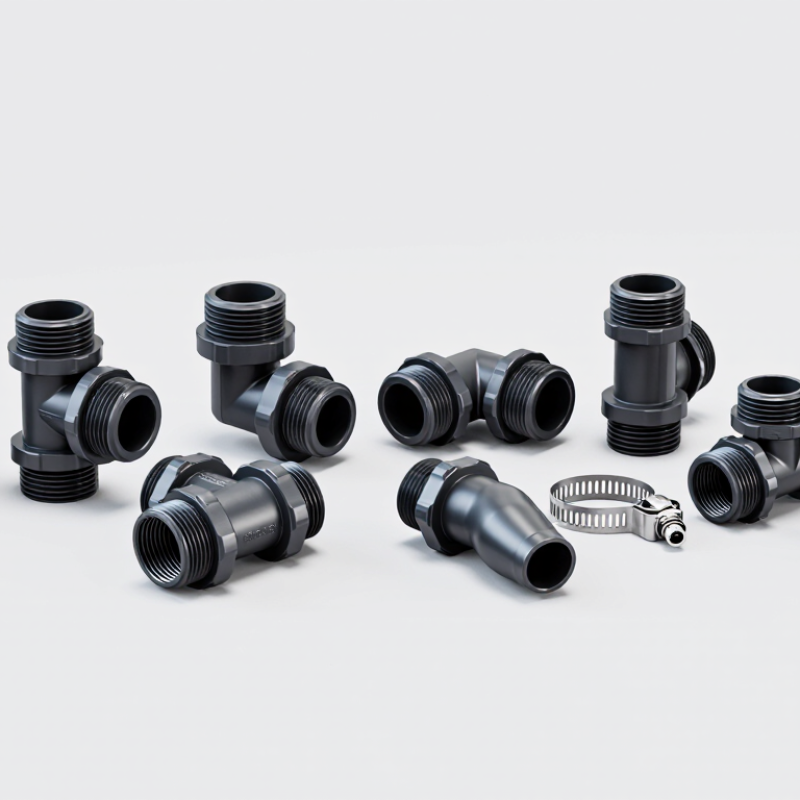
Poly pipe fittings connect irrigation lines, change direction, divide flow, and join valves or emitters. Common options include barbed couplers, tees, elbows, reducers, and threaded adapters. Each connection is a potential leak point. Match the fitting to the pipe’s outside diameter, pressure rating, and material; similar-looking parts may not seal together. On a dry afternoon, a loose joint can show itself as a dark patch in the soil or a fine spray near a plant bed.
Fittings affect more than convenience. The U.S. Geological Survey’s 2015 water-use report estimated irrigation withdrawals at about 118,000 million gallons per day, roughly 42 percent of U.S. freshwater withdrawals. That scale makes careful water delivery worthwhile, though a fitting alone cannot guarantee efficiency. Check manufacturer specifications, use compatible clamps where required, and avoid sharply bending poly pipe beside a joint. After installation, run the system and inspect connections under working pressure. Look closely. A fitting may feel secure by hand and still seep slowly; that is easy to miss when the ground is already wet.
Key Factors for Choosing the Right Poly Pipe Fittings
Choosing poly pipe fittings starts with the pipe itself. Match the fitting’s nominal size and connection style to the tubing, rather than relying on a quick visual guess. Barbed fittings need a snug fit and a properly secured clamp; compression fittings should seat evenly without crushing the pipe. Small mismatches can become slow leaks.
Check the system’s working pressure, water temperature, and exposure conditions. A fitting’s pressure rating matters, but the weakest component sets the practical limit. For outdoor runs, consider ultraviolet exposure and seasonal temperature changes. Inspect seals and material compatibility, especially when water contains fertilizer or other additives. Details matter.
Think about flow, too. Elbows and narrow connectors can restrict water more than a straight coupling, which may affect distant sprinkler zones. Choose fittings that allow straightforward maintenance, and avoid burying joints where a leak would be difficult to find. Before installation, cut pipe ends square and remove burrs. Then test the system at operating pressure and inspect each joint. I have seen careful-looking connections seep after the first cycle; a second check is worth the time.
Ten Poly Pipe Fitting Types for Irrigation Systems
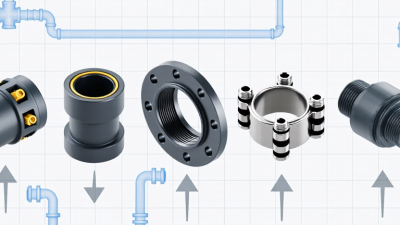
Ten poly pipe fitting types handle common irrigation tasks. A straight coupler joins two pipe ends of the same diameter. Elbows turn a line around beds or corners, while tees split flow into separate branches. Reducers connect pipes of different sizes, and end caps close unused runs. These parts seem simple, but a poorly seated connection can leak under pressure.
Threaded adapters connect poly pipe to threaded valves or filters. Barb adapters fit inside flexible tubing and need a compatible clamp. Compression fittings grip the pipe with a nut and seal, making them useful where repeated adjustments may be needed. A saddle tee attaches to an existing pipe and creates a branch without cutting out a full section. Valve connectors link pipe to irrigation valves. Check the pipe diameter and fitting specifications; similar-looking parts may not fit. Measure twice.
Material and installation details matter. Cut pipe square, remove loose burrs, and push it fully into the fitting. Keep joints clean, especially when working in dusty soil. I’ve seen a tiny tilt become a slow drip, and it is easy to miss until the ground stays wet. Hand-tightening can feel secure but still leave a leak. Test each zone at operating pressure before covering buried connections.
Comparing Fitting Materials, Sizes, and Connection Methods
Poly pipe fittings vary in material, size, and connection method, and each choice affects how an irrigation line performs. Polyethylene fittings are flexible and resist corrosion, making them practical for buried runs and seasonal movement. Nylon fittings are light and easy to handle, but may not suit every pressure or temperature range. Check the fitting’s pressure rating against the system, not just the pump’s usual setting. A small mismatch can become a leak after repeated pressure changes.
Sizing needs care. Match the fitting to the pipe’s actual outside diameter and wall thickness; nominal labels alone can be misleading. Measure the pipe, and check the manufacturer’s sizing chart. A snug fit matters. Barbed fittings are common for flexible poly pipe: push the pipe fully over the barbs, then secure it with a compatible clamp. Compression fittings can be easier to remove, though they need even tightening. Threaded connections are useful at valves and manifolds, but overtightening can crack plastic parts.
Connection choice depends on access and maintenance. A buried elbow may be difficult to revisit, so a well-seated barbed joint and suitable clamp are worth the extra attention. In a valve box, a removable compression fitting may save time during repairs. Test each zone before covering the line. Look for damp soil around joints. It is easy to miss a slow leak when the ground is already wet. Check local water conditions, too; mineral deposits and temperature swings can affect long-term performance.
Matching Fittings to Common Irrigation Layouts
A straight mainline with long lateral runs usually needs barbed couplers, end caps, and a filter connection. Match the fitting diameter to the pipe’s measured inside diameter; “close enough” can mean a slow leak. Push the pipe fully over each barb, then secure it with a clamp suited to the pipe and water pressure. Check connections while the line is running.
For garden beds branching from one supply line, use tees or manifolds to create separate zones. Add a shutoff valve to each branch so one bed can be serviced without stopping irrigation everywhere. Elbows help route pipe around corners, but too many tight turns can restrict flow. Keep the layout simple. That matters.
On sloped ground, place pressure regulators where they protect the downstream lines, and use flushable end fittings at the ends of laterals. For transitions to threaded filters, timers, or valves, choose adapters with compatible thread types and seal them as specified. I once underestimated how much a small height change affected flow; the far bed received less water. Test each zone, watch the emitters, and adjust before burying the pipe. A fitting chart helps, but it cannot replace checking the actual pipe and operating pressure.