Why Choose PVC Pressure Pipe for Water Supply?
Choosing the right pipe can shape a water supply system for decades. In many residential, agricultural, and municipal projects, pvc pressure pipe offers a practical balance of strength, cost, and installation efficiency. Its smooth internal surface helps water move with less friction. That can support steady flow and reduce energy demands in properly designed systems.
From field experience, installers often value its light weight and simple jointing process. A worker can carry shorter sections across uneven ground without heavy lifting equipment. The pipe also resists corrosion, which matters in wet soil and chemically challenging environments. Unlike metal systems, it does not rust when exposed to ordinary moisture. However, performance depends on correct sizing, pressure ratings, joint preparation, and local installation standards. Small mistakes can cause leaks later.
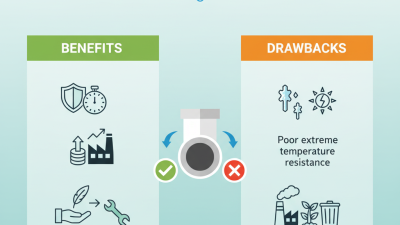
PVC pressure pipe is not a universal answer. Extreme temperatures, poor bedding, unsuitable fittings, or unexpected ground movement may reduce service life. This limitation deserves attention. Reliable manufacturers publish pressure ratings and testing information, while qualified engineers should assess operating conditions before selection. Independent standards and local water regulations also provide useful safeguards.
A sound decision considers more than purchase price. It examines transport, labor, maintenance, water quality, and expected service life. When these factors align, pvc pressure pipe can provide dependable performance for clean water distribution. The result is not simply a cheaper pipeline. It is a carefully planned system, supported by verified specifications and disciplined workmanship. Even then, regular inspection remains wise. Real projects rarely behave perfectly.
What Is PVC Pressure Pipe?
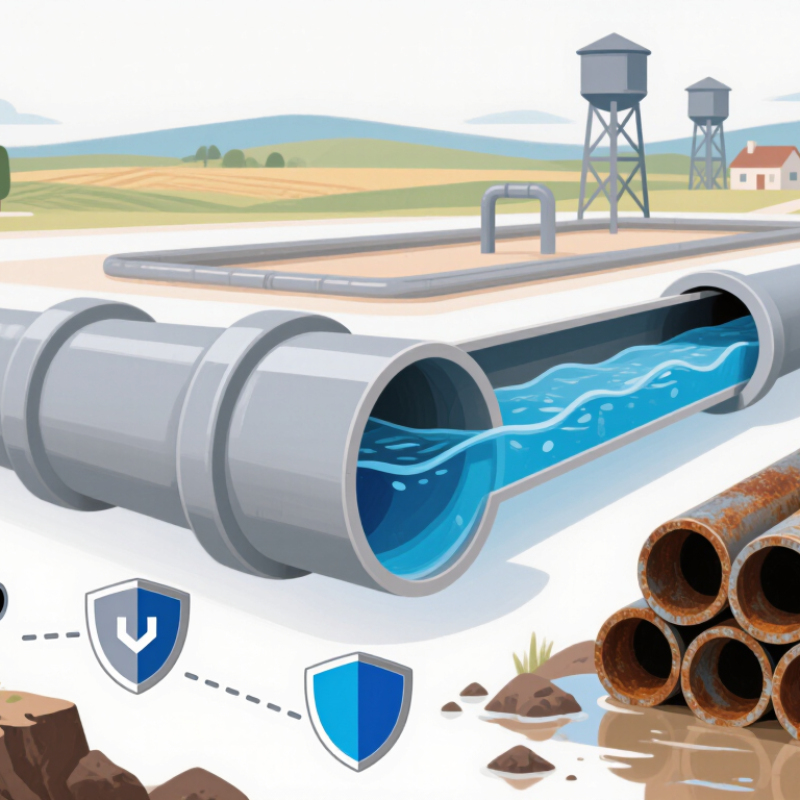
PVC pressure pipe is a rigid plastic pipe designed to carry water under continuous internal pressure. Unlike drain pipe, it must resist expansion, joint movement, and sudden pressure changes. It is commonly made from polyvinyl chloride, a material that does not rust or rot in ordinary water systems. That distinction matters. Its smooth inner surface reduces friction, helping water move efficiently through the line. The pipe is also relatively light, so workers can often handle long sections without lifting machinery.
Pressure ratings show how much internal force the pipe can safely manage at a specified temperature. The correct rating depends on water pressure, pipe diameter, installation depth, and local conditions. A pipe may look strong but still fail when exposed to excessive pressure or poor support. Connections usually use solvent-welded fittings or elastomeric gaskets, depending on the pipe design. Clean, square cuts are essential. Dirt, moisture, or a poorly seated gasket can create a slow leak beneath the ground.
PVC pressure pipe is not perfect. It can become brittle after long exposure to strong sunlight, and freezing water may damage the line. Backfilling also deserves care; sharp stones can press against the wall and create weak points. During inspection, installers should check alignment, joint seating, pressure testing, and protection near valves. These practical details often determine whether a water supply system remains dependable for years.
How PVC Pressure Pipe Works in Water Supply Systems
PVC pressure pipe moves water through a sealed system using controlled internal pressure. A pump or elevated tank creates the driving force. Water then travels through the pipe’s smooth inner wall with relatively low friction.
The pipe wall resists pressure from inside. Its diameter, thickness, and pressure rating must match the system’s operating conditions. Joints connect each section and must remain watertight during pressure changes. Valves regulate flow, isolate damaged areas, and help control maintenance work. Small details matter.
During installation, technicians usually inspect the pipe for scratches, oval shapes, and contamination. They align each joint carefully and support the line according to local engineering requirements.
A pressure test can reveal leaks before the trench is covered. However, testing alone cannot correct poor bedding or excessive bending.
PVC does not tolerate every environment. High temperatures can reduce its pressure capacity, while sunlight may weaken exposed sections over time. Sudden valve closure can also create water hammer, stressing pipes and fittings. In field work, a quiet pipe is not always a safe pipe. Designers should review flow velocity, pressure surges, soil movement, and connection quality together. A perfect calculation may still fail when installation conditions are ignored. This is where practical inspection deserves more attention.
Key Advantages of PVC Pressure Pipe
PVC pressure pipe offers practical advantages for reliable water supply systems. Its resistance to rust, scale, and many common chemicals helps maintain a clean internal surface. It stays clean. That matters in drinking water applications.
A smooth bore reduces friction, allowing water to move efficiently under pressure. This can support smaller pumping requirements in suitable system designs. PVC is also lightweight, so crews can carry long sections without heavy lifting equipment. I have found this especially useful on narrow construction sites. Solvent-welded or gasketed joints can be installed quickly when surfaces are prepared correctly. Poor preparation remains a common weakness.
The material’s consistent dimensions support predictable installation and pressure testing. Engineers should still check pressure ratings, operating temperature, burial depth, and local water regulations before selection. PVC does not corrode like metal, but sunlight and extreme heat can reduce its service performance. It may also become brittle after severe impact or freezing conditions. Not every project suits PVC. My own judgment has changed after seeing installations fail from unsupported joints and careless backfilling. Proper bedding, alignment, and gradual pressure testing are not optional details. They protect both the pipe and the people using the water.
Why Choose PVC Pressure Pipe for Water Supply? - Key Advantages of PVC Pressure Pipe
| Dimension |
PVC Pressure Pipe Characteristic |
Water-Supply Benefit |
| Weight |
Rigid PVC (PVC-U) has a typical material density of about 1.35–1.45 g/cm³. |
Pipes are generally easier to handle and transport than many metallic alternatives, though actual pipe weight depends on diameter and pressure class. |
| Hydraulic smoothness |
A Hazen–Williams roughness coefficient of C = 150 is commonly used for new PVC pipe in design calculations. |
A smooth bore can support efficient flow. The design value should be selected according to the applicable standard and project conditions. |
| Corrosion and scale |
PVC-U does not rust like iron or steel and is resistant to many forms of water-related corrosion. |
It can reduce concerns about rust-related deterioration and deposits; suitability still depends on water chemistry and operating conditions. |
| Pressure rating |
Pressure capacity varies with pipe diameter, wall thickness, material specification, temperature, and joint system. |
Available pressure classes can suit many distribution applications. Check the pipe marking and applicable product standard rather than assuming one universal rating. |
| Joining and installation |
Depending on pipe type and size, systems may use elastomeric-gasket joints or solvent-cement joints. |
A range of joining methods supports different installation needs. Correct preparation, assembly, curing, and testing are essential for leak-tight service. |
| Temperature limits |
PVC-U pressure systems are generally intended for cold-water service; allowable pressure decreases as operating temperature rises. |
Confirm the manufacturer’s temperature derating guidance and local requirements, especially where water may be warm or operating conditions fluctuate. |
| Drinking-water use |
Only pipe and jointing components approved for potable-water contact should be used in drinking-water systems. |
Check local approvals, standards, and installation instructions to ensure the complete system is suitable for the intended water supply. |
Installation and Maintenance Requirements
Why Choose PVC Pressure Pipe for Water Supply?
PVC pressure pipe is lightweight, corrosion-resistant, and practical for many water supply systems. However, its performance depends heavily on careful installation. Before cutting, confirm the pipe size, pressure class, fittings, and local requirements. Small errors become expensive underground.
Prepare a firm, evenly graded trench with suitable bedding. Remove stones that could create point pressure. Cut pipe ends square, then clean and dry every joint. Use compatible joining materials and follow the stated curing time. Never force a misaligned connection. Allow space for thermal movement, especially where sunlight reaches exposed pipe. Pressure-test the system gradually before covering it. A rushed test can hide a weak joint.
Maintenance should include regular inspections at valves, exposed connections, and changes in direction. Look for damp soil, pressure loss, unusual movement, or surface cracking. Keep the pipe protected from sharp impact and prolonged ultraviolet exposure. Record pressure readings and repair history. I once underestimated how quickly poor trench backfill could shift a joint. The repair was simple, but the excavation was not. That experience changed my practice: installation records deserve the same attention as the pipe itself. Follow local standards, and replace damaged sections rather than applying temporary pressure fixes.
Why Choose PVC Pressure Pipe for Water Supply?
Installation and Maintenance Requirements
PVC pressure pipes are widely used in water distribution because they are corrosion-resistant, lightweight, and available in standardized pressure classes. The chart shows common nominal pressure ratings defined for pressure-rated PVC piping systems under international standards such as ISO 1452.
- Prepare a stable trench with suitable bedding and compacted embedment around the pipe.
- Keep the pipe aligned, protect it from sharp objects, and follow the manufacturer’s jointing procedure.
- Complete a hydrostatic pressure test before commissioning; the test pressure and duration must follow the applicable local standard.
- Inspect exposed valves, joints, supports, and service connections regularly for leakage, movement, or damage.
- Use only pressure ratings suitable for the system’s operating pressure, surge conditions, temperature, and installation depth.