Why Use PVC Pressure Pipe Fittings?
Why Use PVC Pressure Pipe Fittings?
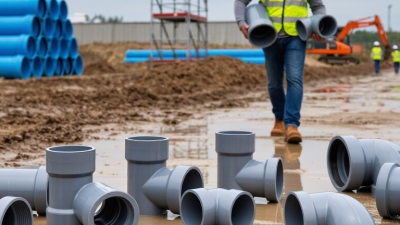
When a water system must handle steady pressure, small details matter. PVC pressure pipe fittings connect pipes, redirect flow, and create dependable transitions around pumps, valves, and treatment equipment. Their smooth interior surfaces help reduce friction losses. Their light weight also makes carrying a box of fittings across a muddy worksite less exhausting.
“Good piping design begins with respecting the pressure boundary, not merely joining the pieces,” says James R. Wright, a senior plastics-piping engineer. His point is practical. A fitting may look simple, yet its socket depth, pressure rating, solvent cement, and installation angle can determine system performance. PVC pressure pipe fittings resist corrosion in many common water applications. They also avoid the rust staining often seen around metal systems. That advantage is useful in irrigation, aquaculture, potable-water infrastructure, and industrial process lines.
The choice is not automatically perfect.
Temperature, chemical exposure, water hammer, and poor alignment still create risks. A light fitting can crack when forced into position. A clean-looking joint can fail if the pipe was not properly prepared. Experienced installers check manufacturer ratings, pipe schedules, standards, and local requirements before assembly. They also allow adequate curing time instead of rushing the system into service.
Used thoughtfully, PVC pressure pipe fittings offer a practical balance of durability, handling ease, and installation efficiency. Their real value appears after years of quiet service, when the system remains clean, stable, and accessible for inspection.
What Are PVC Pressure Pipe Fittings?
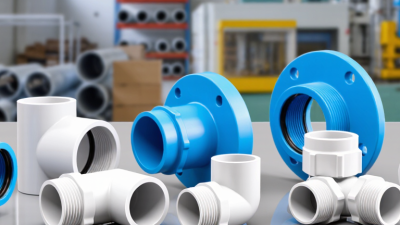
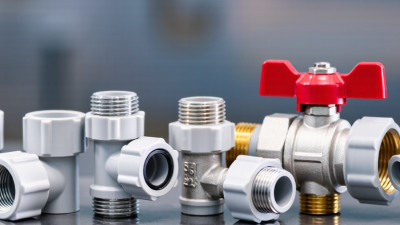
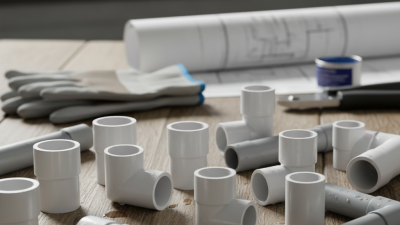
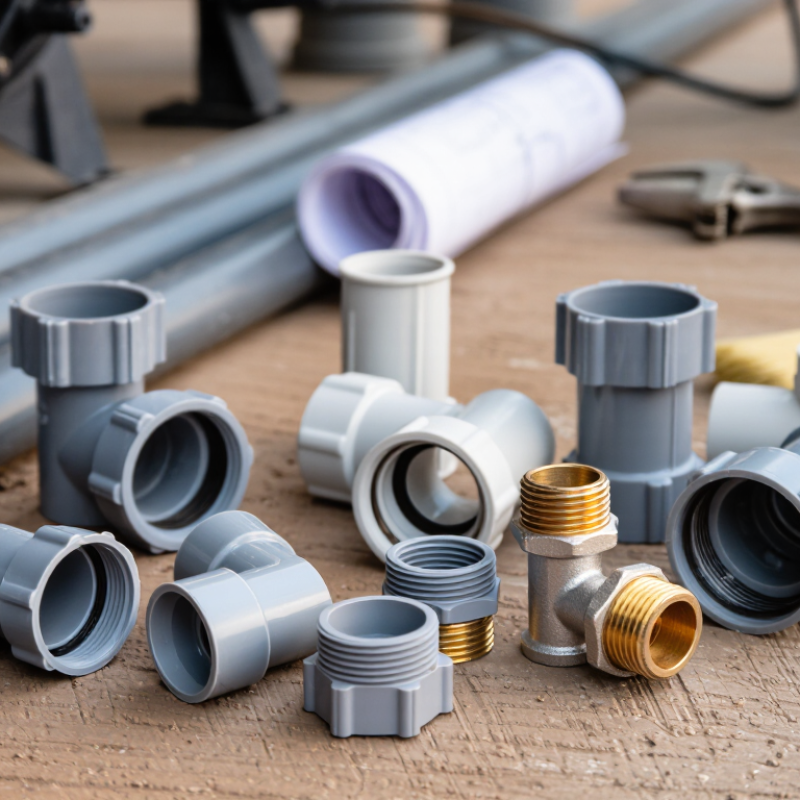
PVC pressure pipe fittings are molded connectors designed to join pressurized PVC pipes without reducing flow unnecessarily. Common forms include elbows, tees, couplings, reducers, unions, and threaded adapters. They direct water, change pipe size, or allow equipment removal during maintenance.
Unlike drainage fittings, pressure fittings have tested pressure ratings. Their design considers wall thickness, temperature, pipe diameter, and joining method. ASTM D2466 covers molded PVC pressure fittings, while ISO 1452 addresses plastic piping systems for water supply and pressure applications. These standards specify dimensions, performance tests, and material requirements. The U.S. Environmental Protection Agency’s 2023 Drinking Water Infrastructure Needs Survey estimates $625 billion in national needs over 20 years. Reliable fittings matter when utilities repair aging networks under that pressure.
Installation still decides much of the result. A clean, square pipe end and correctly applied solvent cement create the joint. Dirt, poor alignment, or rushed curing can cause leakage. That detail is easy to underestimate. Temperature also changes working conditions and pressure capacity. A 100-year service-life assumption appears in several water-pipe assessments, but it is not a promise for every installation. Soil movement, ultraviolet exposure, water chemistry, and workmanship can shorten service life. Field experience suggests one more check: verify the fitting’s rating against the actual system pressure, including surge.
How PVC Pressure Fittings Work in Piping Systems
Why Use PVC Pressure Pipe Fittings?
How PVC Pressure Fittings Work in Piping Systems
PVC pressure fittings connect pipe sections while containing water under controlled pressure. Their smooth inner surfaces reduce friction, helping pumps move water with less energy. The fittings also resist corrosion, which matters in damp utility rooms and buried lines. They are lightweight, but that does not mean they are careless-installation materials.
A socket fitting receives the pipe end and creates a bonded joint with solvent cement. The cement softens matching surfaces, allowing them to fuse as the joint cures. Threaded fittings use mechanical engagement instead. I always check thread alignment by hand before tightening. Over-tightening can stress the fitting and cause a hidden crack. Small details matter.
Pressure ratings depend on temperature, pipe size, wall thickness, and system design. A fitting rated for cold water may perform differently in warmer service. Supports should prevent sagging, while expansion gaps help manage temperature changes. During inspections, I look for uneven cuts, excess cement, and misaligned connections. A clean joint is not automatically a reliable joint. Pressure testing should follow the applicable installation standard, with the system isolated and safely monitored. In practice, rushed curing time remains one of the easiest mistakes to make.
Why Use PVC Pressure Pipe Fittings?
Typical PVC pressure capacity retention as operating temperature increases
PVC pressure fittings connect sections of pressurized piping through solvent-welded joints or threaded connections.
They are lightweight, corrosion-resistant, and have smooth internal surfaces that help reduce flow resistance.
The chart shows commonly used temperature derating factors for PVC pressure piping, expressed as a percentage of
the reference pressure capacity at 23°C (73°F). Actual pressure ratings depend on pipe size, wall thickness,
fitting design, installation method, and the applicable standard.
Key Benefits of Using PVC Pressure Pipe Fittings
Why Use PVC Pressure Pipe Fittings?
PVC pressure pipe fittings offer practical benefits in water supply, irrigation, and process piping systems. They are designed to handle pressurized flow, unlike many fittings intended only for drainage. Their lightweight construction makes transportation and installation easier. That saves time. Smooth internal surfaces also reduce turbulence and friction losses, helping water move efficiently through the system.
PVC does not rust, scale, or corrode like many metal materials. This advantage is valuable in damp locations and water treatment areas. Properly joined fittings can create a dependable, leak-resistant connection. Experienced installers usually clean, prime, and cement each joint carefully. No rushed connections. A small amount of dirt can weaken the seal and cause trouble later. Fewer maintenance problems can also reduce labor costs over the pipe’s service life.
Pressure ratings still require attention. The fitting must match the pipe, fluid, temperature, and working pressure. Local plumbing codes and manufacturer instructions should guide every installation. Poor alignment can place stress on joints, even when the fitting looks secure. Direct sunlight may also affect exposed PVC over time, so protection may be necessary. PVC expands with temperature changes, and long runs need suitable support and movement planning.
These details are easy to overlook. They should not be. PVC pressure fittings are reliable when installed correctly, but they are not magic.
Common Types and Applications of PVC Pressure Fittings
Why Use PVC Pressure Pipe Fittings?
Common Types and Applications of PVC Pressure Fittings
PVC pressure fittings connect pressurized piping with low weight, smooth interiors, and strong corrosion resistance. They suit potable water, irrigation, swimming pools, and light industrial systems. According to Grand View Research, the global PVC pipes market was valued at approximately USD 22.6 billion in 2022. Its projected growth reflects continued demand for durable plastic water infrastructure.
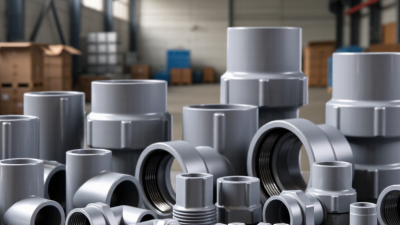
Common fittings include elbows, tees, couplings, reducers, unions, threaded adapters, and flanges. Elbows redirect flow around walls or equipment. Tees divide supply lines. Reducers connect different pipe diameters, while unions simplify future maintenance. Socket connections are compact and reliable when surfaces are clean and solvent cement is applied correctly.
Small details matter.
Pressure ratings must match pipe size, temperature, and operating conditions. The American Society of Civil Engineers gave U.S. drinking-water infrastructure a C- grade in its 2021 Infrastructure Report Card, highlighting the need for practical renewal methods. PVC can reduce handling effort, but it is not ideal for every setting. High temperatures, impact during cold weather, poor alignment, or incompatible chemicals can cause failure. That assumption deserves testing. Installers should verify technical tables, inspect joint preparation, and allow proper curing time before pressurization. In real projects, rushed assembly remains an avoidable weakness.
Factors to Consider When Selecting PVC Pressure Fittings
Selecting PVC pressure fittings requires more than matching pipe diameter. The fitting must handle working pressure, temperature, fluid chemistry, and installation conditions.
The U.S. EPA’s 2023 Drinking Water Infrastructure Needs Survey estimates $625 billion will be needed for drinking water systems over 20 years. That scale makes dependable material selection important, even for a small irrigation line.
Check the pressure rating at the actual operating temperature. PVC pressure capacity decreases as temperature rises, so a fitting rated at 23°C may perform differently in hot conditions.
Review ASTM D1784 material classifications, ASTM D2466 or D2467 dimensional requirements, and NSF/ANSI/CAN 61 approval for potable-water applications.
Verify solvent cement compatibility, insertion depth, and cure time. Small installation errors can create leaks months later.
Do not ignore water hammer. Fast valve closure can generate pressure surges beyond the normal gauge reading.
Support long runs, reduce abrupt flow changes, and consider surge-control equipment where needed.
Chemical compatibility also deserves testing, especially with disinfectants, fertilizers, or acidic fluids.
A perfect selection rarely exists.
Field experience shows that catalog ratings cannot replace site evaluation. Recheck temperature, pressure cycles, sunlight exposure, and maintenance access before approval.
A fitting that looks oversized may be the safer choice. But overdesign alone cannot correct poor assembly.