

Why Choose Polyethylene Pipe Fittings for Global Projects?
Why Choose Polyethylene Pipe Fittings for Global Projects?
Global infrastructure projects face corrosion, soil movement, temperature changes, and difficult transportation routes. Polyethylene pipe fittings offer practical answers to these pressures. They are lightweight, chemically resistant, and suitable for many water, gas, mining, and industrial systems. Their flexibility can reduce stress around uneven ground and moderate seismic movement. Fewer heavy components may also simplify handling at remote sites. That matters where cranes, roads, and skilled labor are limited.
David F. Willoughby, PE, a recognized polyethylene piping specialist, has stated, “Polyethylene pipe systems can deliver long-term performance when design, joining, and installation are treated as one system.” This principle remains important. Reliable projects depend on compatible materials, qualified fusion technicians, controlled heating, and careful inspection. A fitting may look perfect. It can still fail if the joining temperature or alignment is wrong. Site records, traceability, and pressure testing therefore support both quality and accountability.
Polyethylene pipe fittings are not automatically the best choice. That assumption deserves challenge. Designers must review operating pressure, fluid chemistry, ultraviolet exposure, temperature limits, local standards, and fire requirements. Regional approvals may differ. Installation practices may differ more. Experienced teams often inspect fusion beads, verify equipment calibration, and protect open pipe ends from dust and moisture. These details seem small. They are not.
For international projects, the strongest advantage is system resilience. Polyethylene pipe fittings can combine manageable logistics with dependable service life. Yet performance depends on disciplined engineering, not material preference alone. That is the honest starting point for responsible global construction.
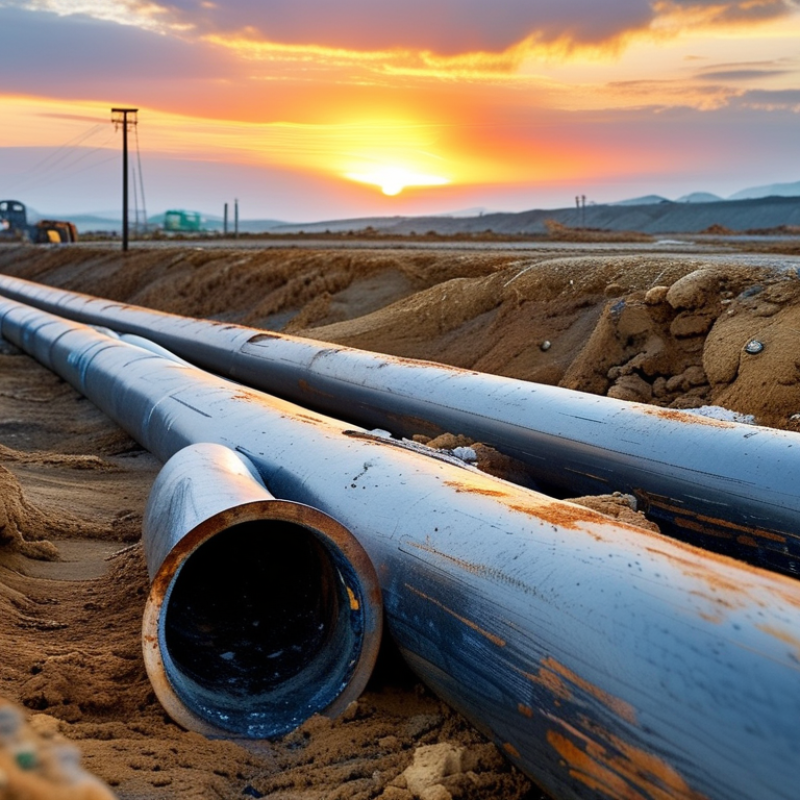
What Polyethylene Pipe Fittings Are and How They Function
Polyethylene pipe fittings are molded or machined connectors for polyethylene piping systems. They join pipe sections, change direction, reduce diameter, or create branches. Common forms include elbows, tees, reducers, and couplers. Butt fusion heats matching pipe and fitting ends, then presses them together. Electrofusion uses embedded wires to generate controlled heat. After cooling, the joint becomes continuous and resistant to leakage. The process is simple, but preparation matters.
The U.S. Environmental Protection Agency’s 2023 Drinking Water Infrastructure Needs Assessment estimates $625 billion in needs over 20 years. Reliable joints can help control maintenance risks in large water projects. The Plastics Pipe Institute’s Handbook of Polyethylene Pipe describes service lives exceeding 50 years under suitable design and operating conditions. That figure is not a promise. Soil movement, pressure cycling, poor alignment, and contamination can still cause failure. Polyethylene’s flexibility helps absorb ground movement, while its corrosion resistance supports buried and coastal installations.
Tips: Match the fitting to the pipe’s pressure rating and joining method. Clean and square every fusion surface. Confirm local standards before procurement. Record heating time, pressure, and cooling conditions. Field crews sometimes rush cooling. That shortcut deserves more attention. Test completed sections before backfilling, especially where repair access is limited.
| Data Dimension | Typical Information | How It Functions in a Piping System | Project Relevance |
|---|---|---|---|
| Material | Polyethylene, commonly classified as PE80 or PE100 for pressure piping applications. | Provides a lightweight, tough, and chemically resistant body for connecting polyethylene pipe sections. | Suitable for water, wastewater, gas, mining, industrial, and selected process-fluid systems when the material is chemically compatible. |
| Common Fitting Types | Elbows, tees, reducers, couplers, end caps, stub-end assemblies, service saddles, and transition fittings. | Changes direction, creates branches, adapts pipe diameters, closes a line, or connects polyethylene pipe to another material. | A broad fitting range helps standardize layouts across different project designs and installation conditions. |
| Primary Joining Methods | Butt fusion, electrofusion, socket fusion, mechanical compression, and flanged connections. | Creates either a fused polyethylene joint or a mechanically restrained connection, depending on the fitting design and application. | Fusion joining can produce a continuous, leak-resistant system without relying on threaded sealants or solvent cement. |
| Butt Fusion | Matching pipe and fitting ends are heated and pressed together under controlled alignment and pressure. | The softened polyethylene surfaces combine and cool into a permanent joint with a continuous internal bore. | Common for larger-diameter pipelines and projects where long-term joint integrity is important. |
| Electrofusion | Fittings contain embedded resistance wires that heat when an electrical current is applied. | The fitting and pipe surfaces melt together in a controlled fusion zone. | Useful in confined areas, repair work, tie-ins, and locations where butt-fusion equipment cannot be positioned easily. |
| Flexibility | Polyethylene pipe systems can accommodate controlled bending; the allowable bend radius depends on pipe diameter, SDR, temperature, and manufacturer or standard requirements. | Fittings provide fixed changes in direction while the pipe can follow gradual curves with fewer directional components. | Can reduce the need for numerous elbows and may simplify installation across uneven terrain. |
| Impact Resistance | Polyethylene has high resistance to many forms of impact and handling damage compared with more brittle piping materials. | The fitting can absorb localized mechanical energy without easily cracking under normal service conditions. | Helpful for transportation, trenching, and installation in demanding construction environments. |
| Corrosion Resistance | Polyethylene does not rust or suffer electrochemical corrosion in the manner of metallic pipe materials. | The fitting maintains a nonmetallic flow path that resists many naturally occurring water and soil conditions. | Can reduce corrosion-related maintenance for buried and wet-service applications, subject to chemical compatibility checks. |
| Chemical Resistance | Generally resistant to many acids, alkalis, salts, and water-based chemicals; performance depends on concentration, temperature, and exposure time. | The fitting acts as a protective connection point for fluids that may attack conventional materials. | Appropriate material-selection review is still required for industrial chemicals, hydrocarbons, and elevated temperatures. |
| Hydraulic Performance | The smooth internal surface typically has low friction compared with rougher pipe materials. | Fittings guide flow through bends, branches, and size transitions while properly designed systems limit turbulence and pressure loss. | Can support efficient fluid transport; fitting geometry and installation quality remain important to overall hydraulic performance. |
| Leak Resistance | Properly executed fusion joints form a continuous polyethylene connection without elastomeric seals at the fusion interface. | The fused joint prevents fluid from passing through the connection when alignment, heating, pressure, and cooling requirements are controlled. | Reduces potential leakage points in buried pipelines, although inspection and qualified installation are still necessary. |
| Weight and Handling | Polyethylene fittings are generally lighter than comparable metallic fittings, although weight varies with diameter, pressure class, and design. | Lower component weight can simplify transport, positioning, and handling during installation. | May reduce the need for heavy lifting equipment, particularly on remote or difficult-to-access project sites. |
| Pressure Rating | Pressure capacity depends on resin classification, SDR or wall thickness, pipe diameter, operating temperature, service fluid, and design factors. | The fitting transfers internal pressure and joint loads through its wall and connection design. | Each fitting must be selected for the system's design pressure and temperature; a single universal pressure value does not apply. |
| Temperature Range | Many pressure polyethylene systems are designed primarily for ambient and moderate-temperature service; allowable pressure generally decreases as temperature rises. | The material's stiffness and long-term strength vary with temperature, affecting fitting performance and joint design. | Temperature derating and application-specific guidance are required for hot water, industrial fluids, and unusual climates. |
| Standards and Verification | Relevant requirements may include ISO 4427 for water supply systems, ISO 4437 for gas supply systems, ASTM standards, and applicable local regulations. | Standards define or reference dimensions, material classifications, pressure relationships, testing, and joining requirements. | Using the governing standard for the project jurisdiction supports compatibility, inspection, and regulatory acceptance. |
| Installation Conditions | Fusion surfaces should be clean, dry, properly aligned, and protected from contamination; equipment calibration and operator qualification are important. | Controlled installation conditions allow the fitting and pipe to achieve the intended joint strength. | Good site procedures are essential for consistent performance across international projects and varying field conditions. |
| Limitations | Polyethylene is vulnerable to excessive heat, certain chemicals, prolonged ultraviolet exposure if not properly protected, and damage from unsuitable installation practices. | These factors can reduce material strength, dimensional stability, or long-term service life. | Project specifications should address temperature, chemical exposure, storage, sunlight protection, grounding requirements, and mechanical protection where applicable. |
| Service-Life Consideration | Design life depends on material grade, stress level, temperature, fluid, installation quality, and environmental conditions. | The fitting remains part of a pressure-rated system whose long-term performance is evaluated using applicable design methods and safety factors. | Long-term planning should combine the selected standard, engineering calculations, inspection procedures, and operating controls. |
Related Posts
-
Top PE Fitting Solutions for Global Buyers Looking to Purchase?
-

Why Choose Plastic Pipe for Your Next Project?
-
How to Choose the Best Plastic Pipe for Your Needs?
-
What is Polyethylene Pipe Fittings and How to Choose Them?
-
Top 10 Best PE Fittings for Durable Plumbing Solutions in 2023
-
2025 Top Trends in Plastic Pipework for Efficient Construction Solutions