Why Choose Plastic Pipe for Your Next Project?
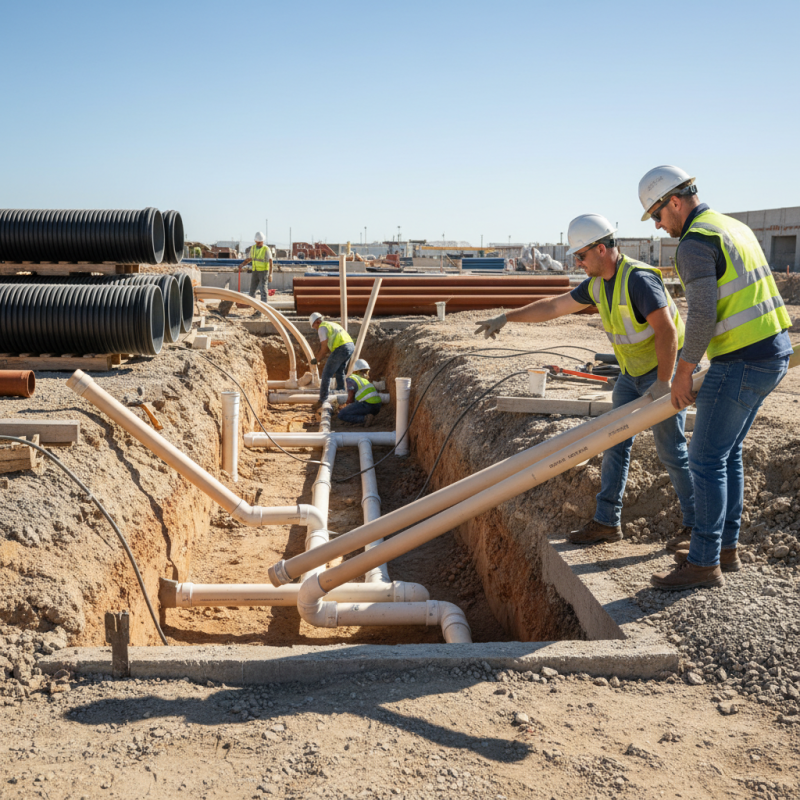
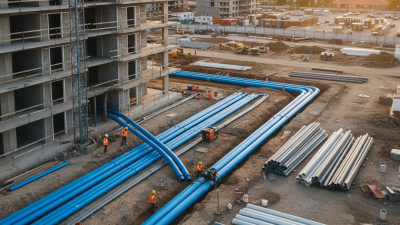
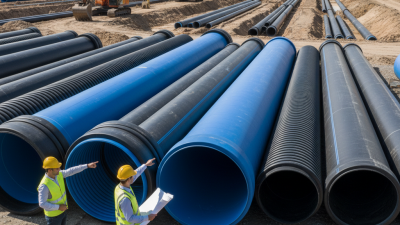
When considering materials for your next project, plastic pipe presents several compelling advantages. Its lightweight nature allows for easier handling and installation compared to traditional materials. This means reduced labor costs and faster completion times.
Plastic pipe offers exceptional resistance to corrosion and chemicals. This durability translates to a longer lifespan, making it a reliable choice for various applications. Moreover, it can maintain performance in challenging environments, which is essential for many construction scenarios.
While it’s crucial to evaluate your specific needs, plastic pipe may not always be the best fit. Some projects demand the strength and durability of metal options. Balancing cost and longevity is important. Exploring available data on plastic pipe can help you make a more informed decision.
Benefits of Using Plastic Pipe in Construction Projects
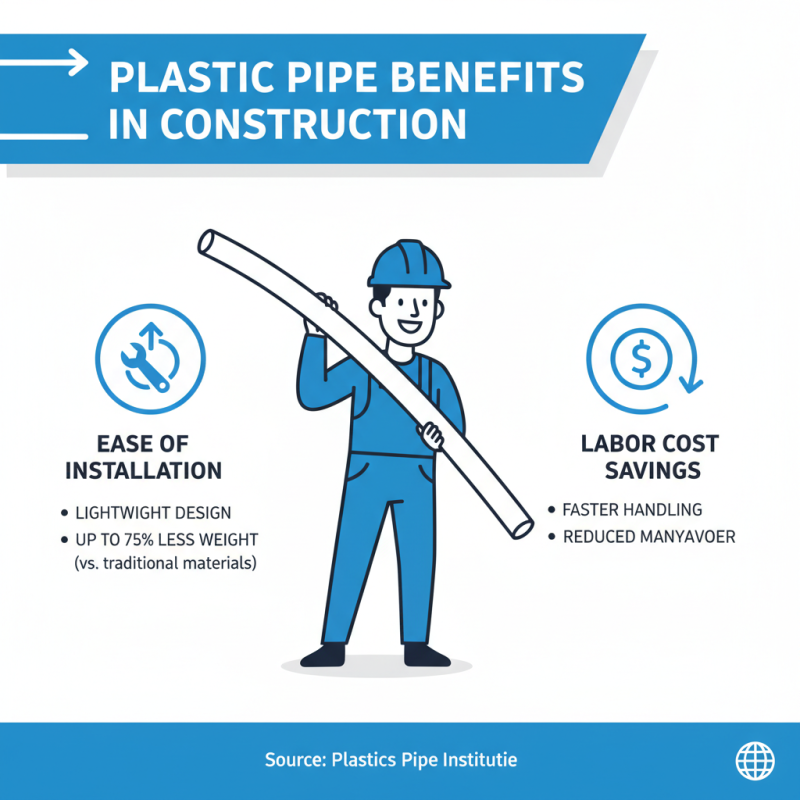
Plastic pipes have gained a strong reputation in the construction industry. Their lightweight design makes them easier to handle and install. According to a report by the Plastics Pipe Institute, plastic pipes can weigh up to 75% less than traditional materials. This reduction in weight can lead to significant labor cost savings during installation.
Durability is another compelling advantage. Research shows that plastic pipes resist corrosion and degradation from chemicals and moisture. This resilience leads to longer service life. For instance, plastic pipes can last over 50 years, reducing the need for frequent replacements. Such longevity is crucial for budget-conscious projects.
A notable benefit is cost efficiency. The National Association of Home Builders indicates that using plastic pipes can lower overall project expenses by up to 30%. This cost reduction is often due to lower labor and installation costs. However, the less known issue is that improper installation can undermine these savings. It’s essential to engage skilled professionals to fully realize the benefits of plastic pipes in your construction projects.
Comparison of Plastic Pipe to Traditional Materials
Plastic pipes have gained popularity in various projects due to their numerous advantages over traditional materials like metal and concrete. One significant benefit is their resistance to corrosion. Unlike metal pipes, plastic does not rust. This feature ensures longer-lasting performance and reduces maintenance costs. Additionally, plastic pipes are lighter and easier to handle, which speeds up installation. Workers can transport them without heavy equipment, saving time and labor costs.
Cost is another crucial factor. Plastic pipes often have a lower initial purchase price than traditional materials. They are cheaper to produce, which reflects in their market cost. Traditional pipes might require additional protective coatings to prevent rust and other damage. Plastic pipes do not need these extras, further lowering expenses. However, potential buyers should also be cautious. Some plastic pipes may become brittle over time when exposed to UV light. They might warp in extreme heat. It’s essential to evaluate the specific needs of the project before deciding. Careful consideration can help strike a balance between cost and long-term reliability.
Why Choose Plastic Pipe for Your Next Project? - Comparison of Plastic Pipe to Traditional Materials
| Feature |
Plastic Pipe |
Traditional Materials |
| Weight |
Lightweight and easy to handle |
Heavy and cumbersome |
| Corrosion Resistance |
Highly resistant |
Susceptible to rust and corrosion |
| Cost |
Generally lower installation costs |
Higher material costs |
| Durability |
Long lifespan with proper care |
Variable lifespan based on material |
| Flexibility |
Flexible and adaptable |
Rigid and less adaptable |
| Installation |
Quicker installation process |
More complex installation |
| Environmental Impact |
Can be recycled; lower carbon footprint |
Difficult to recycle; higher carbon footprint |
Durability and Longevity of Plastic Pipe Solutions
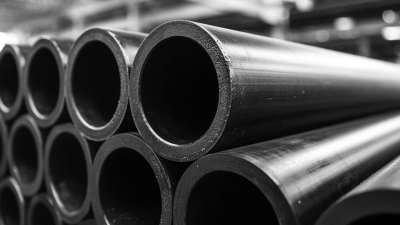
When considering materials for your next construction project, plastic pipes stand out due to their impressive durability and longevity. They resist corrosion and degradation, making them ideal for various environments. Unlike metal pipes, plastic options avoid rust. This resilience can lead to fewer repairs and replacements over time. Imagine saving costs and reducing downtime due to pipe failures. Plastic pipes also handle extreme weather better than many alternatives.
Moreover, their lightweight nature simplifies installations. Workers can maneuver them easily, speeding up project timelines. However, potential downsides exist. Improper installation can lead to issues, such as misalignment. This highlights the importance of skilled labor. Regular maintenance checks are also essential. While they may last for decades, ensuring their integrity can prevent unforeseen problems. The combination of durability and proper care creates a winning strategy for long-term success.
Environmental Considerations of Choosing Plastic Pipe
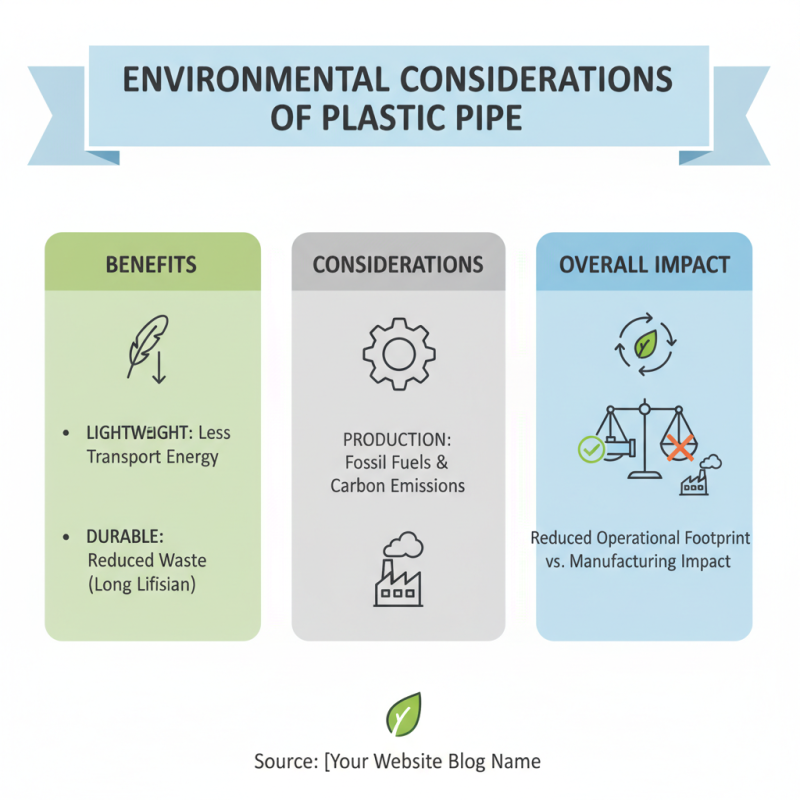
When considering materials for your next project, plastic pipes offer significant environmental benefits. These pipes are lightweight, which reduces energy usage during transport. Their durability means they last longer than many alternatives. This longevity helps to cut down on waste. However, the production process does involve fossil fuels, raising concerns about carbon emissions.
Plastic pipes are resistant to corrosion and do not leach harmful chemicals into water. This ensures a safer drinking water supply. Many plastic pipes can be recycled, further minimizing their environmental footprint. Yet, recycling rates for plastic remain low in some regions. Education on proper disposal methods is crucial to enhance recycling efforts.
Moreover, the environmental impact of plastic pipes varies by type. Not all plastics are created equal in terms of sustainability. It's important to choose the right type for specific applications. Consideration of local regulations and recycling capabilities is essential. Engaging with local experts may help in making informed decisions.
Cost-Effectiveness of Plastic Pipe for Various Applications
Plastic pipes are increasingly favored for a variety of applications, especially when cost-effectiveness is considered. Recent industry reports indicate that plastic pipes can reduce installation costs by up to 50% compared to traditional materials like metal or concrete. This significant savings stems from their lightweight nature, which makes transportation and handling much easier. Moreover, their resistance to corrosion yields lower maintenance costs over time.
When selecting materials, consider the long-term implications. Plastic pipes generally boast a lifespan of over 50 years, which might save money on replacements. A study by the American Society of Civil Engineers highlights that using plastic pipes can result in a 20% decrease in water loss due to leaks. This efficiency can lead to substantial cost savings, especially in municipal projects.
Tip: Always assess the specific needs of your project. Sometimes, lower upfront costs can lead to higher repair expenses later. Additionally, choose the right type of plastic for your application, as not all plastic pipes offer the same durability and performance. Remember, the goal is to find the best balance between cost and longevity.