How Much Does a Tyre Pyrolysis Plant Cost in 2026?
A Tyre Pyrolysis Plant Cost estimate in 2026 is not a single equipment price. It is a project budget shaped by capacity, feed preparation, reactor design, emissions-control equipment, utilities, installation, and product handling. Two plants with similar nameplate capacity can therefore have very different delivered costs. A low quotation may omit civil works, commissioning, or downstream oil treatment. It can look precise and still leave important questions unanswered.
The scale of the feedstock market helps explain why careful budgeting matters. The U.S. Tire Manufacturers Association’s 2023 scrap tire management report estimated that the United States generated about 4.5 million metric tons of scrap tires in 2021; roughly 79% entered end-use markets. This is useful context, not a plant-cost benchmark. Project economics still depend on local tire supply, operating hours, energy use, labor, and the quality of saleable outputs. Small details matter. A site’s power connection or the distance to a reliable feedstock source can change the investment case.
This guide examines the main cost components and the assumptions behind supplier quotations. It distinguishes equipment pricing from total installed investment, then considers operating expenses and potential revenue streams. Published figures should be treated cautiously: capacity definitions, included equipment, and site conditions often differ. That comparison is imperfect. But asking for an itemized scope, documented performance data, and realistic operating assumptions gives buyers a more dependable basis for evaluating a 2026 project.
What a Tyre Pyrolysis Plant Includes in 2026
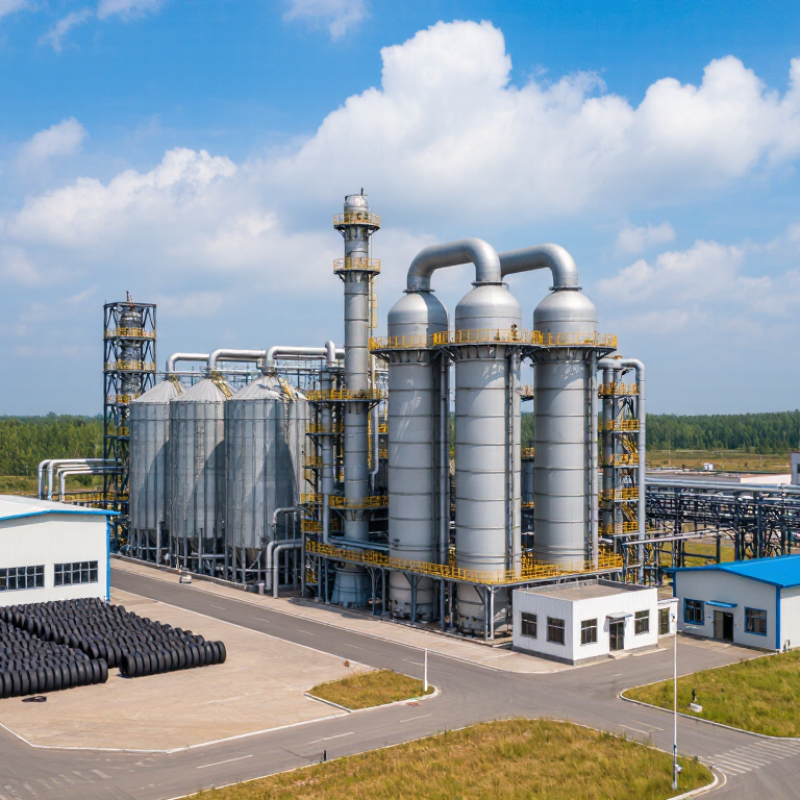
A tyre pyrolysis plant is more than a reactor. Its scope usually begins with tyre receiving, sorting, and size reduction, followed by a sealed feeding system. Some projects accept prepared tyre pieces; others include shredders and conveyors. That difference can change the quoted cost substantially.
The main process equipment includes a heated reactor, temperature and pressure instruments, and a system for cooling and separating vapours. Condensed oil flows into storage tanks, while non-condensable gas is managed through designed piping and safety controls. Solid carbon material and steel wire need separate, practical discharge arrangements. Operators also need electrical controls, utilities, fire protection, and suitable emissions treatment. These systems are easy to overlook when comparing headline prices.
Not every quote includes the same boundary. Civil works, installation, operator training, spare parts, and commissioning may be priced separately. Ask for an itemized equipment list and clear operating assumptions, including feed size and planned capacity. Details matter. A low equipment price may exclude site work or treatment systems needed for the intended operation. In 2026, the most useful cost comparison is between complete, technically matched scopes—not reactor prices alone. Even a careful estimate has limits; site conditions and local engineering requirements can shift the final budget.
How Much Does a Tyre Pyrolysis Plant Cost in 2026?
Indicative installed-project cost by processing capacity (USD). Bars show the midpoint of each estimated range.
Estimated ranges: 5 tonnes/day: $0.8–1.5 million; 10 tonnes/day: $1.5–3 million; 20 tonnes/day: $3–5 million; 30 tonnes/day: $4–7 million.
Typical plant scope: tyre feeding and size reduction, pyrolysis reactor, heating system, oil-gas condensation, gas cleaning and recycling, oil storage, char and steel handling, emissions controls, electrical systems, and installation. These planning-level estimates vary with plant design, automation, local regulations, and site conditions; land, taxes, financing, and working capital are excluded.
Typical 2026 Costs for Different Plant Configurations
Typical 2026 costs depend on capacity, automation, and what the quoted scope includes. As a planning range, a batch plant processing about 5–10 tonnes of tyres per day may cost roughly US$400,000–$1.2 million for equipment and core auxiliaries. A semi-continuous 10–20-tonne-per-day configuration may range from US$1 million to $2.5 million. These are indicative figures, not supplier quotations.
For continuous lines rated around 20–50 tonnes per day, budgets commonly fall near US$2.5 million–$6 million. Larger capacity usually requires more than a bigger reactor: feeding systems, oil handling, gas treatment, controls, and emissions equipment affect the final price. Check whether each quote includes installation, commissioning, operator training, and spare parts. That line is easy to miss.
Site work can change the budget substantially. Foundations, electrical supply, fire protection, storage tanks, shipping, and local taxes may be excluded from advertised equipment prices. Ask vendors for a line-by-line scope and confirm rated throughput against the tyre types and operating hours you expect. A cheaper batch setup may suit a smaller operation, but it can need more labor and downtime between runs. There is no perfect comparison. Cost estimates are more useful when they state capacity, included equipment, and exclusions clearly.
How Much Does a Tyre Pyrolysis Plant Cost in 2026? – Typical 2026 Costs for Different Plant Configurations
Indicative planning estimates in USD for new plants processing end-of-life tyres. Actual costs vary with location, plant design, emissions requirements, feedstock preparation, and project scope.
| Plant configuration | Typical tyre-feed capacity | Typical processing setup | Indicative installed cost (2026) | Commonly included scope | Typical project considerations |
| Pilot or micro batch | 1–3 tonnes per day | One small batch reactor; manual or semi-automatic loading and unloading | US$150,000–US$450,000 | Reactor, basic condensation and gas handling, essential safety equipment, limited installation | Lower throughput and greater labour per tonne; local permitting and emissions controls can add substantially to the budget. |
| Small batch plant | 5–10 tonnes per day | One or more batch reactors with basic feed and product handling | US$500,000–US$1.5 million | Reactors, condensers, oil storage, gas treatment, controls, and typical mechanical installation | Budget depends on whether tyres are supplied whole or pre-cut and on the required level of automation. |
| Medium batch plant | 20–30 tonnes per day | Multiple batch reactors operating in a staggered cycle | US$2–5 million | Reactor train, feed preparation, oil and gas systems, emissions-control equipment, and site installation | More consistent output generally requires coordinated reactor scheduling, material handling, and qualified operating staff. |
| Large continuous plant | 50–100 tonnes per day | Continuous reactor line with automated feeding and product discharge | US$6–15 million | Continuous process equipment, feed handling, gas and oil recovery, emissions controls, instrumentation, and installation | Requires reliable feedstock logistics, utilities, maintenance planning, and site-specific environmental approvals. |
| Very large continuous plant | 100–200 tonnes per day | One or more continuous lines with integrated preparation and product handling | US$12–30 million | Multiple process lines or a high-capacity line, extensive material handling, utilities, emissions systems, and commissioning | Large projects may need substantial civil works, grid and utility upgrades, storage, and additional permitting provisions. |
Cost basis: These are indicative installed-capital ranges, not supplier quotations. They generally assume process equipment, typical installation, and core safety and emissions systems. Land purchase, financing, taxes, working capital, major off-site infrastructure, tyre collection, and optional downstream refining or product upgrading may be excluded.
Which Installation and Operating Costs Add to the Budget
A tyre pyrolysis plant’s quoted price rarely covers the full installation. Site preparation can include soil checks, drainage, access roads, and reinforced foundations for heavy equipment. These details matter. A weak foundation may cause vibration problems later. Transport and crane hire can add substantial costs, especially when equipment arrives in oversized sections or the site is difficult to reach.
Electrical connections, control systems, fire-safety equipment, ventilation, and emissions-monitoring devices also affect the budget. Some projects need upgrades to existing utilities before installation begins. Allow for commissioning and operator training, too. These items are sometimes listed separately, so compare the scope of each quotation rather than relying on its headline figure. Local engineering requirements and site conditions can change the final amount considerably.
Operating costs depend on throughput and working hours. Electricity, staffing, routine inspections, replacement parts, and maintenance all need realistic estimates. Feedstock handling and the safe management of process outputs can require extra labor, storage, and equipment. Downtime is easy to underestimate. A blocked conveyor or delayed spare part can reduce production while fixed expenses continue. Ask suppliers for expected energy use and maintenance intervals, then check those figures against your planned operating schedule. They are estimates, not guarantees. A detailed budget should include a contingency, because early cost models often miss small site-specific expenses.
How to Estimate the Total Cost for a Specific Project
A 2026 tyre pyrolysis plant estimate should start with the project, not a headline price. Define daily tyre throughput, operating hours, feedstock size, and required product specifications. ETRMA’s End-of-Life Tyres Report 2022 estimates that Europe generated about 3.4 million tonnes of end-of-life tyres in 2020, with roughly 95% managed through recovery routes. That figure signals a large material stream, but it does not guarantee a local supply. Check collection distance, seasonal availability, and competing uses. Small details matter.
Build the estimate from delivered equipment, installation, site preparation, utilities, emissions controls, storage, laboratory testing, commissioning, and contingency. NREL’s process-design economics reports distinguish equipment costs from installation and operating costs; the same discipline helps prevent a misleading equipment-only comparison. For a specific site, request itemized quotations, then add grid upgrades, civil works, permits, and working capital. Compare cost per tonne of actual tyre input, not nameplate capacity. A plant rated for 100 tonnes per day may process less when maintenance or feedstock variability intervenes. This is easy to overlook. State assumptions openly, and test a lower-throughput case; estimates still carry uncertainty.