What Are the Top 10 Types of Plastic Pipework?

Plastic pipework is easy to overlook until a leak, pressure drop, or chemical mismatch brings a system to a halt. The right material affects installation, service life, maintenance, and operating costs. Grand View Research estimated the global plastic pipes market at about US$39.2 billion in 2023, with growth expected over the following years. Market estimates vary by scope, but the trend is clear: these systems matter across water supply, drainage, agriculture, construction, and industry. Details matter.

This guide compares ten common types, including PVC, CPVC, HDPE, PEX, and polypropylene. It examines where each performs well, where it may fall short, and which conditions deserve a closer check. Tony Radoszewski, former president of the Plastics Pipe Institute, has described plastic pipe as “the most sustainable product available to move water, gas and other vital resources.” That perspective is useful, but material choice alone does not guarantee a dependable system. Temperature, fluid compatibility, joining method, pressure rating, and installation quality all shape performance. A pipe suitable for a cold-water line may be a poor choice for hot process fluid. Selection is not always tidy. The comparisons ahead offer a practical starting point, not a substitute for project specifications, current standards, or qualified engineering review.
What Are the Top 10 Types of Plastic Pipework?

What Plastic Pipework Is and How It Is Classified

Plastic pipework is a system of pipes and fittings made from polymers, used to carry water, gas, chemicals, or waste. The word “plastic” covers many materials, not one interchangeable product. Common types include PVC-U, CPVC, HDPE, LDPE, PP-R, PEX, ABS, and PVDF. Each responds differently to heat, pressure, chemicals, and sunlight. A pipe suitable for a cold-water line may fail in a hot process system.

Classification often starts with material, then considers pressure rating, temperature range, diameter, and jointing method. Pipes may be joined by solvent cement, heat fusion, threaded fittings, or mechanical couplings. Their intended service matters too: potable water, drainage, irrigation, and industrial transfer each place different demands on the system.

Look for markings that identify size and pressure class, and check technical documentation before specifying a pipe. A small label can prevent a costly mismatch.

That sounds tidy. Real sites are messier. A pipe can be correctly classified yet poorly installed, exposed to sunlight, or paired with incompatible fittings. Classification helps narrow the choice; it does not replace design review. I would also avoid ranking materials without knowing the fluid, operating temperature, and site conditions. Those details change the answer.

The Top 10 Types of Plastic Pipework

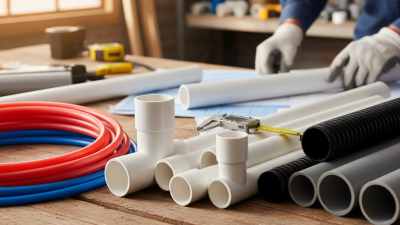
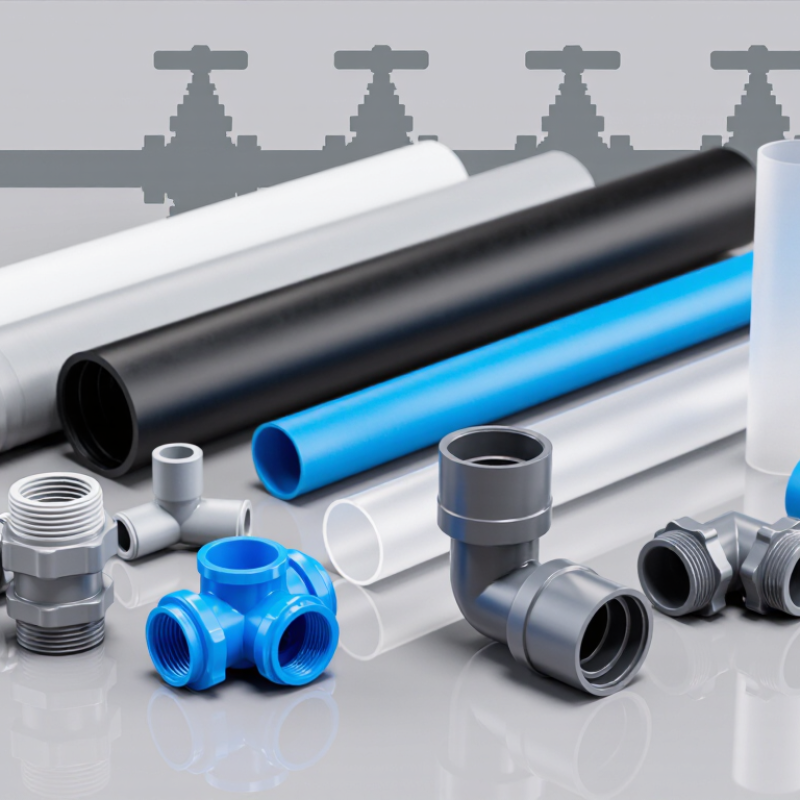
Plastic pipework spans ten distinct families: unplasticized PVC (PVC-U), chlorinated PVC (CPVC), polyethylene (PE), high-density polyethylene (HDPE), cross-linked polyethylene (PEX), polypropylene random copolymer (PP-R), polypropylene homopolymer (PP-H), acrylonitrile butadiene styrene (ABS), polybutylene (PB), and fiber-reinforced plastic (FRP). Each behaves differently under heat, pressure, chemicals, and movement. PVC-U is common in drainage and cold-water lines; CPVC tolerates hotter water. HDPE’s flexibility suits buried mains, while PEX bends around joists with fewer fittings. PP-R is often heat-fused for building services. ABS and PB appear in particular drainage or plumbing systems, subject to local specifications.

Specialist selection matters. PVDF, often grouped among plastic pipe materials, is chosen for demanding chemical service; FRP offers corrosion resistance in larger industrial lines. These categories can overlap, and product ratings vary. Check operating temperature, pressure class, fluid compatibility, joint method, and installation conditions—not just the material name. A pipe exposed to sunlight or repeated thermal cycling may need different protection and support. Small detail. A poorly chosen joint can undermine a good pipe.

The U.S. EPA’s 2023 Drinking Water Infrastructure Needs Survey and Assessment estimates $625 billion in drinking-water infrastructure needs over 20 years. That figure covers systems broadly, not plastic pipe alone, but it underscores the scale of replacement and planning. Grand View Research valued the global plastic pipes market at about $53.8 billion in 2022. Market size does not prove suitability. I would still verify specifications against the actual service conditions; that extra check is easy to skip.

Key Properties That Distinguish Plastic Pipe Materials

Plastic pipework is not one material with ten labels. PVC is rigid and economical for cold-water and drainage systems; CPVC tolerates hotter service. PE bends around gentle curves and handles ground movement, while PP resists many chemicals. PEX flexes through walls with fewer joints. ABS is light and impact-resistant, often used for drainage. PVDF suits demanding chemical and high-purity lines. PB is flexible, though less common in many markets. GRP combines glass reinforcement with resin for large, corrosion-resistant runs. Multilayer pipe pairs polymer layers with metal reinforcement to limit expansion.

The differences show up on site. A PE coil can snake past a tree root; a rigid PVC length needs careful support at each fitting. The Plastics Pipe Institute’s Handbook of Polyethylene Pipe places common PE pipe compounds at roughly 0.941–0.965 g/cm³ density, a useful clue to material identity, not a pressure rating. ASTM D1784 classifies PVC and CPVC compounds by properties such as impact resistance and tensile strength, rather than treating every formulation as identical. Check the pipe’s pressure class, temperature limits, joint method, and chemical compatibility together. One detail is easy to miss: heat and installation loads can change performance, even when the material name stays the same. That deserves a closer look.

What Are the Top 10 Types of Plastic Pipework?

Typical material density of commonly used plastic pipe materials

Density is shown in g/cm³ and represents typical values for the base material; actual pipe compounds can vary. Density helps distinguish materials, but pressure rating, temperature resistance, chemical compatibility, and installation requirements should also guide pipe selection.

Where Different Types of Plastic Pipework Are Used

Where plastic pipework is used depends on pressure, temperature, chemical exposure, and joint design. PVC-U commonly serves cold-water distribution, drainage, and electrical conduit. CPVC tolerates hotter domestic water. PEX bends through wall cavities and supports underfloor heating, while PP-R is used in hot- and cold-water networks. PE pipe suits buried pressure mains, irrigation, and some gas distribution systems when specified for that duty. Small details matter: a pipe’s rating and fittings must match the operating conditions.

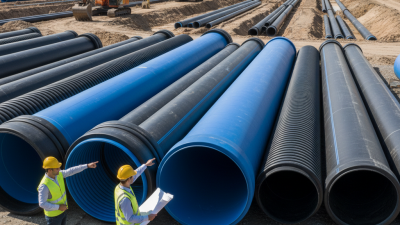
For drainage, ABS and PVC systems carry wastewater inside buildings; large corrugated HDPE pipes can convey stormwater underground. Multilayer composite pipework is used in heating and plumbing, while PVDF appears in demanding chemical or high-purity applications. These are typical uses, not universal rules. Installation method and local specifications can change the choice.

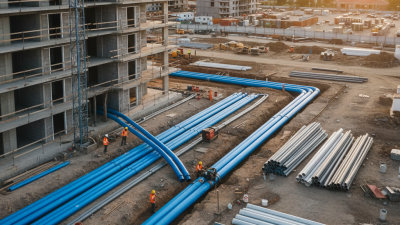
Infrastructure needs underline the scale of the work. The US EPA’s 2023 Drinking Water Infrastructure Needs Survey estimates $625 billion in drinking-water investment needs over 20 years. Its 2022 Clean Watersheds Needs Survey reports $630.1 billion in wastewater and stormwater needs over the same period. These figures cover infrastructure, not plastic pipe alone. Still, they help explain why durable water, sewer, and stormwater systems matter. Material selection deserves more than a quick price check. I would verify compatibility on site.

What Are the Top 10 Types of Plastic Pipework? — Where Different Types Are Used

Plastic Pipe Type Typical Uses Key Characteristics Important Considerations
PVC-U (Unplasticized PVC) Cold-water distribution, irrigation, building drainage, sewerage and some industrial services. Rigid, corrosion-resistant and widely used for pipes and fittings. Not generally used for hot-water service. Confirm pressure rating, chemical compatibility and local approval.
PVC-C (Chlorinated PVC) Hot- and cold-water plumbing, selected industrial piping and approved fire-sprinkler systems. Handles higher temperatures than standard PVC-U and resists many chemicals. Use only systems and fittings rated for the intended temperature, pressure and application.
ABS (Acrylonitrile Butadiene Styrene) Building drainage, waste and vent systems; some underground drainage applications. Lightweight and impact-resistant, with convenient solvent-cement joining in suitable systems. Usually selected for drainage rather than potable-water supply; check local plumbing rules and chemical compatibility.
HDPE / PE100 Water mains, sewer and drainage networks, industrial pipelines, and gas distribution when specifically certified. Flexible, impact-resistant and suitable for fusion-jointed systems; PE100 is a common high-performance pipe grade. Gas use requires approved materials, fittings and installation procedures. Design for operating pressure, temperature and surge.
MDPE (Medium-Density PE) Water service connections and gas distribution networks where the pipe system is approved for that service. Flexible and durable, making it useful for buried service lines and installation around gentle bends. Gas applications require the relevant certification and installation controls; protect pipe from damage during handling and laying.
PEX (Cross-linked PE) Hot- and cold-water plumbing, underfloor heating and hydronic heating circuits. Flexible, corrosion-resistant and available in coil lengths that can reduce the number of joints. Check the system’s temperature and pressure limits, fitting compatibility and requirements for protection from ultraviolet exposure.
PP-R (Polypropylene Random Copolymer) Hot- and cold-water plumbing, heating circuits and selected industrial or compressed-air systems. Commonly joined by heat fusion and offers good resistance to many aqueous chemicals. Compressed-air use and other specialist services must be supported by the pipe system’s rating and manufacturer’s technical data.
PP-H (Polypropylene Homopolymer) Industrial chemical handling, process piping, tanks and some industrial drainage systems. Provides useful chemical resistance and is commonly used in fabricated industrial systems. Check chemical concentration, temperature, pressure and jointing method before specifying.
PVDF (Polyvinylidene Fluoride) High-purity water, semiconductor and pharmaceutical processes, and demanding chemical services. Offers high purity and resistance to a broad range of chemicals and elevated temperatures. Often selected for specialist applications; confirm compatibility and cleanliness requirements for the specific fluid and process.
PE-RT (Polyethylene of Raised Temperature Resistance) Hot-water plumbing, radiator connections and underfloor or other hydronic heating systems. Flexible polyethylene designed for hot-water service within its specified operating limits. Verify the pipe’s temperature-pressure rating, barrier requirements and compatibility with the selected fittings.

Applications are typical examples, not a substitute for design guidance. Always check applicable standards, local codes, product approvals and the pipe system’s pressure, temperature and chemical-compatibility ratings.

How to Select Plastic Pipework for a Project

Selecting plastic pipework starts with the fluid and operating conditions, not the catalogue description. PVC-U may suit cool water and drainage, while CPVC handles higher temperatures. PE is flexible and useful for buried runs; PP-R is common in hot- and cold-water systems. PEX bends around obstacles, and ABS can suit certain drainage applications. These are starting points, not guarantees. Check the manufacturer’s pressure and temperature data for the exact pipe and fitting system.

Tips: Write down the fluid, normal and peak temperatures, working pressure, and exposure to sunlight or chemicals. Then check jointing methods, support spacing, and local project specifications. A pipe that resists the fluid may still fail at a poorly matched fitting. Small details matter.

For demanding chemical service, materials such as PVDF or other specialist plastics may be appropriate, but confirm compatibility with a qualified supplier. Consider installation access, expansion, impact risk, and future repairs. I would avoid choosing by purchase price alone; that comparison misses labour and replacement costs. Still, no checklist replaces reviewing actual site conditions. A short compatibility review before ordering can prevent costly surprises.