How to Source SMT Spare Parts for Your Manufacturing Needs?
Sourcing SMT Spare Parts can be a daunting task for any manufacturer. With a multitude of suppliers and options available, navigating this landscape requires careful consideration. The right SMT spare parts are crucial for maintaining production efficiency and minimizing downtime. Quality components directly impact machine performance and reliability, making their procurement paramount.
Understanding your specific needs is essential. Consider factors such as machine compatibility, part quality, and supplier reputation. Leverage industry expertise and established relationships to ensure reliable sourcing. Engaging with trusted suppliers can offer insights into the latest technologies and best practices.
Moreover, don't overlook potential pitfalls. Not all parts come with the same quality assurance. Counterfeit or subpar components can jeopardize your operations. Take your time in selecting suppliers. Assess their track record and customer reviews. This diligence pays off in the long run, ensuring you receive the best SMT spare parts for your manufacturing needs.
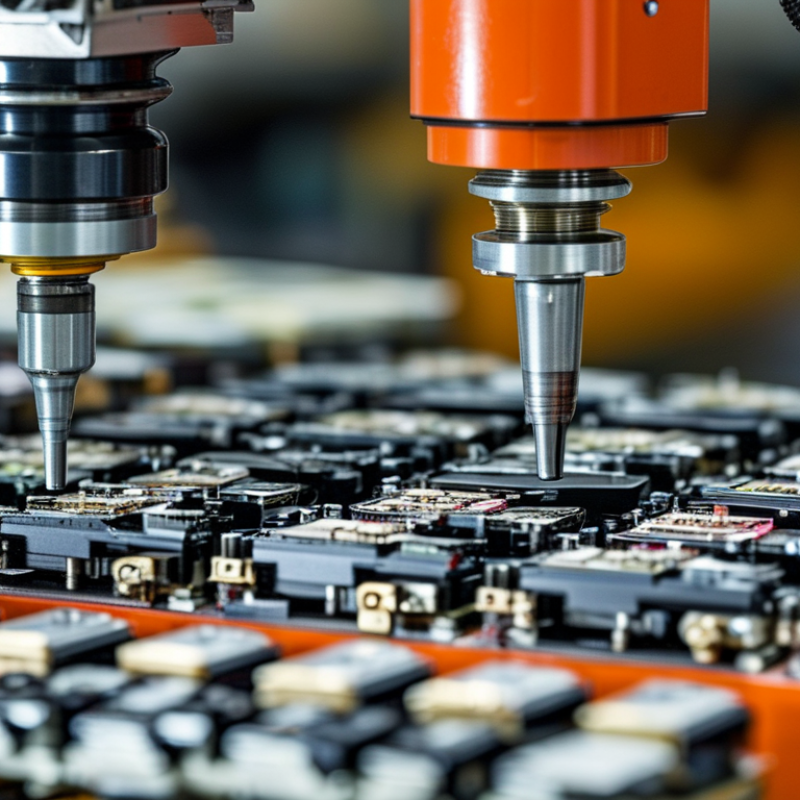
Understanding SMT Spare Parts and Their Importance in Manufacturing
Understanding SMT spare parts is crucial for efficient manufacturing. These components are essential in surface mount technology, which is widely used in electronics. High-quality spare parts ensure that machines function correctly. This leads to increased productivity and reduced downtime.
Manufacturers must recognize the importance of sourcing reliable spare parts. A failure in a single component can halt an entire production line. It’s vital to evaluate suppliers carefully. Look for those with proven experience in SMT parts. Consider factors like delivery times, product quality, and customer support.
Sourcing can be challenging. Many suppliers may not meet the specific needs of your operation. It’s essential to reflect on past experiences with different parts and suppliers. Collect feedback from your team. Examine the performance of various components and seek areas for improvement. The goal is to build a smoother manufacturing process with minimal interruptions.
How to Source SMT Spare Parts for Your Manufacturing Needs?
| Part Type | Description | Availability | Average Lead Time | Cost (USD) |
| SMT Nozzles | Used in pick-and-place machines for accurate component placement. | In Stock | 1-2 weeks | $20 - $50 |
| Pick-and-Place Heads | Essential for placing surface mount components. | Order Required | 3-4 weeks | $500 - $1,200 |
| Solder Paste Stencils | Used to apply solder paste to PCBs. | In Stock | 1 week | $100 - $300 |
| SMT Conveyor Belts | For movement of PCBs through the manufacturing process. | Limited Stock | 2-3 weeks | $300 - $700 |
| Quality Control Sensors | For detecting defects in the assembled boards. | In Stock | 1-2 weeks | $150 - $400 |
Identifying Your Manufacturing Requirements for SMT Spare Parts
Identifying your manufacturing requirements for SMT spare parts involves a detailed assessment of your production line. Start by evaluating the specific machinery in use. Are there common parts that frequently fail or require replacement? Data from the IPC shows that around 25% of SMT production downtime is attributed to equipment failures. This emphasizes the need for a proactive approach in sourcing spare parts.
Understanding your production volume is crucial. High-volume productions may require a larger inventory of parts. A study from the SMTA indicates that having immediate access to critical spare parts can reduce downtime by up to 30%. Conversely, smaller manufacturers might not need to stock extensive inventories but should identify critical components that could disrupt operations if they fail.
Consider the lead time for acquiring spare parts. Manufacturers often underestimate this aspect. Many suppliers report lead times ranging from one week to several months. This unpredictability can lead to production delays. It's essential to maintain open communication with suppliers to understand their capabilities and to buffer your inventory accordingly. This approach allows for flexibility in a rapidly changing market.
Exploring Different Sources for SMT Spare Parts: Suppliers and Distributors
Sourcing SMT (Surface Mount Technology) spare parts effectively requires a clear understanding of potential suppliers and distributors. Industry reports show that over 70% of manufacturers rely on a mix of local and international sources for their SMT components. Exploring various channels is essential for ensuring quality and availability.
Distributors often provide technical support, which is vital for complex SMT machinery. They may also offer bundled services, including logistics and installation assistance. It’s crucial to evaluate a distributor's reputation carefully. The reliability of parts directly affects production efficiency and cost. A survey indicated that manufacturers using quality components reported a 25% reduction in downtime.
Tips: Always verify the credentials of your supplier. Check for reviews and industry certifications. Investigate their return policies, too.
Some manufacturers overlook the importance of inventory management. Keeping track of usage trends can help anticipate future needs. This approach minimizes delays caused by unexpected equipment failures. Seek out suppliers who can provide data-driven insights tailored to your operation. A holistic view of your sourcing strategy might reveal opportunities for cost-saving and efficiency.
Evaluating Quality and Reliability When Sourcing SMT Spare Parts
When sourcing SMT spare parts, evaluating quality and reliability is critical. Manufacturing processes depend on precision and durability. Parts must meet industry standards to avoid costly downtime. Consider sourcing from reputable suppliers with proven track records. This can greatly reduce risk in production.
Tips for selecting SMT spare parts include examining certifications. Verify if suppliers have quality management processes in place. Look for parts that offer detailed specifications and testing results. Sometimes, suppliers provide limited information, which can be a red flag. Be cautious and request further information when needed.
Additionally, gather feedback from current users of the parts. Their experiences can reveal any potential issues. Ensure your chosen parts maintain consistency in performance. It's essential to balance cost with quality. Investing in higher-quality parts can prevent future problems, saving time and resources. Always remember that cheaper isn’t always better.
Setting Up a Procurement Process for Efficient SMT Spare Parts Management
Setting up a procurement process is vital for managing SMT spare parts efficiently. A well-structured process ensures you get the right components when needed. This minimizes downtime and maintains your production flow.
One effective tip is to establish clear criteria for selecting suppliers. Create a checklist based on your quality requirements, delivery times, and pricing. Evaluate potential suppliers based on these criteria thoroughly. Regular communication with suppliers can help build relationships and foster trust. This can ensure priority during urgent requests.
Another important aspect is tracking inventory levels. Use a reliable inventory management system to monitor stock. Knowing when to order spare parts can prevent overstocking and save costs. Regularly review inventory trends for better forecasting. This can simplify future orders, making the procurement process more efficient. Always reflect on areas for improvement in your system to adapt to changing demands.
SMT Spare Parts Procurement Analysis