

How to Ship a Full Container to Dubai DDP?
Shipping a full container to Dubai under Delivered Duty Paid terms can simplify a complex move, but only when the responsibilities are clearly defined. With Dubai Full Container Ddp shipping, the seller generally arranges transport, import clearance, and applicable duties and taxes through delivery to the agreed destination. The exact scope depends on the contract, the goods, and whether the service provider can legally handle each step.
Details matter. A 20-foot or 40-foot container may travel by sea to Jebel Ali, then continue by truck to a warehouse or business address. The route, transit time, and final delivery access should be confirmed before booking. A loading site with limited truck access can change the plan.
Ask for a written quote that identifies origin charges, ocean freight, customs services, duties, taxes, and final delivery. Confirm who prepares the commercial invoice, packing list, and other shipment documents. Share an accurate cargo description, dimensions, weight, and delivery address early. Small omissions can cause delays or extra charges.
DDP is not a promise that every charge is fixed in advance. Customs assessments, document checks, and local delivery conditions may affect the final cost or schedule. Get clarification in writing. A low quote can look attractive, yet leave important services unclear. That deserves a second look.
This guide outlines the practical stages of arranging a full-container shipment to Dubai, from comparing quotes to coordinating delivery. It also highlights the questions worth asking before cargo leaves the origin. Clear communication helps; it does not remove every uncertainty.
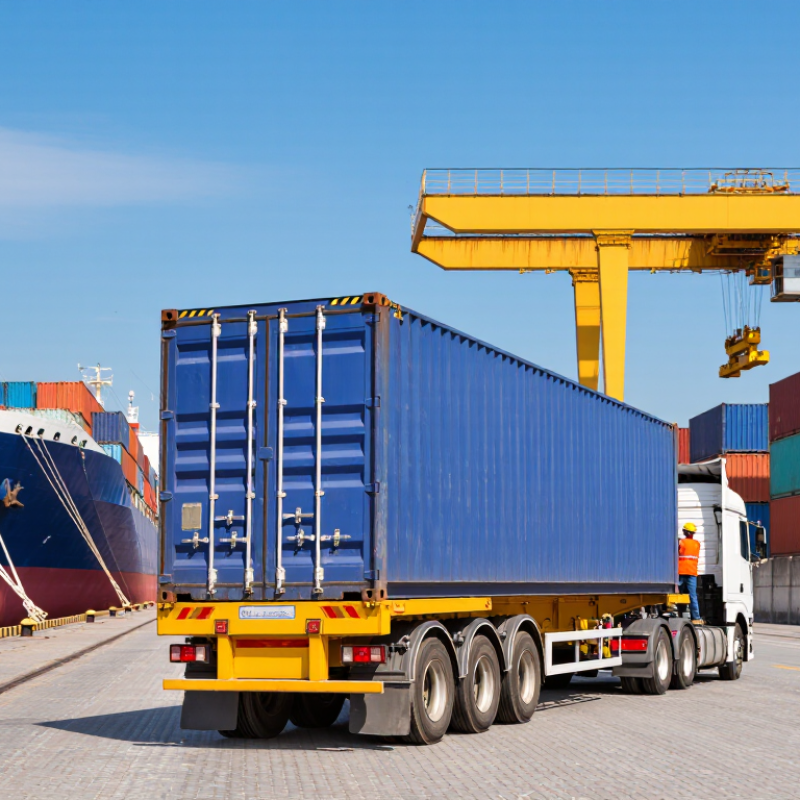
Understand DDP Shipping Terms and Define the Dubai Delivery Point
A full-container DDP quote should name the exact Dubai delivery point, not simply “Dubai.” Under ICC Incoterms 2020, Delivered Duty Paid makes the seller responsible for transport, import clearance, duties, and taxes until the goods reach the agreed destination, ready for unloading. The buyer normally unloads the container unless the contract says otherwise. Details matter. “Jebel Ali” may identify a port area, but it does not tell a truck driver which warehouse gate to use.
Specify the complete address, receiving contact, delivery hours, and whether the location can accept a full-size container truck. The World Bank’s 2023 Logistics Performance Index placed the United Arab Emirates seventh overall, but strong national logistics performance cannot resolve an unclear delivery instruction. UNCTAD reported 858.9 million TEUs of global container port throughput in 2023, a reminder of the scale and coordination involved in moving cargo. Still, port arrival is not final delivery. One awkward detail is easy to miss: agree who pays for waiting time or redelivery if the site cannot receive the container. Define that point in writing before the shipment sails.
How to Ship a Full Container to Dubai DDP? - Understand DDP Shipping Terms and Define the Dubai Delivery Point
| Shipping Dimension | DDP Responsibility or Requirement | What to Specify for a Dubai Shipment | Practical Check |
|---|---|---|---|
| Meaning of DDP | Under Incoterms® 2020 DDP (Delivered Duty Paid), the seller arranges delivery to the named destination and handles export and import clearance, duties, and applicable taxes. The seller carries the risk until the goods are placed at the buyer’s disposal at the agreed destination, ready for unloading. | Name the exact delivery location in Dubai, not simply “Dubai.” For example: “DDP, buyer’s warehouse, [full address], Dubai, UAE, Incoterms® 2020.” | Agree separately who unloads the container. Under the standard DDP delivery obligation, unloading is generally for the buyer unless the contract states otherwise. |
| Container and cargo details | The seller arranges the container, export packing, transport, and shipment of the agreed cargo. | Confirm container type and size, cargo description, package count, gross weight, dimensions, and any handling or temperature requirements. | Check that the cargo is suitable for container loading and that weight and dimensions comply with carrier, road, and destination restrictions. |
| Export clearance | The seller is responsible for export formalities in the country of origin under DDP. | Confirm the seller can provide the export declaration and any origin-country permits or certificates required for the goods. | Requirements depend on the origin country and the product; restricted or controlled goods may need additional approvals. |
| Ocean freight and insurance | The seller pays for transport to the named DDP destination and bears transit risk to the agreed delivery point. DDP does not itself require the seller to purchase cargo insurance. | Confirm whether the quoted price includes ocean freight, terminal charges, destination handling, and any cargo insurance. | Ask for the quotation’s inclusions, exclusions, validity period, and procedure for delays or demurrage and detention. |
| Dubai import clearance | The seller is responsible for import clearance under DDP, including required import formalities and payment of applicable duties and taxes. | Identify the party that will act as importer or customs declarant in the UAE and confirm it is eligible and properly set up for the transaction. | Import procedures and documentation depend on the goods, customs requirements, and the parties’ legal and commercial arrangements. Confirm these before booking. |
| Customs duty and VAT | The seller bears applicable import duties and taxes under the DDP agreement. | Determine the correct HS classification, customs value, country of origin, and applicable UAE tax treatment before calculating the landed price. | UAE customs duty is commonly 5% of the customs value for many goods, but rates and exemptions vary. The standard UAE VAT rate is 5%; product-specific rules may apply. |
| Shipment documents | The seller supplies documents needed for export, transport, and import clearance; the buyer provides information or assistance reasonably required for import formalities. | Common documents include a commercial invoice, packing list, bill of lading, certificate of origin when required, and product-specific permits or certificates. | Document requirements vary by product and origin. Ensure descriptions, values, quantities, and consignee details are consistent across documents. |
| Dubai delivery point | The seller’s delivery obligation ends at the named destination when the goods are placed at the buyer’s disposal, ready for unloading. | Record the full street address, facility or gate details, receiving contact, delivery hours, access restrictions, and whether a port, terminal, or inland warehouse is intended. | A port name alone may not define delivery to the buyer’s premises. State whether the agreed point is a terminal or a specific inland address. |
| Unloading and site access | Unless agreed otherwise, the buyer arranges unloading after DDP delivery. The parties should clarify equipment, labor, and responsibility for delays at the delivery site. | Confirm that the site can receive the container and has suitable access, unloading equipment, and an agreed delivery appointment. | Specify any waiting-time charges, container return arrangements, and who pays costs caused by unavailable unloading facilities. |
| Cost and risk confirmation | The seller bears costs and risks up to the named DDP destination, subject to the agreed contract and Incoterms® 2020 rules. | Request an itemized quote covering origin charges, freight, destination charges, clearance, duties, taxes, and final delivery. | This table is a planning guide, not a customs or tax assessment. Verify current requirements and charges for the specific goods and delivery arrangement before shipment. |