What is a Pressure Pipe Fitting and How Does It Work?
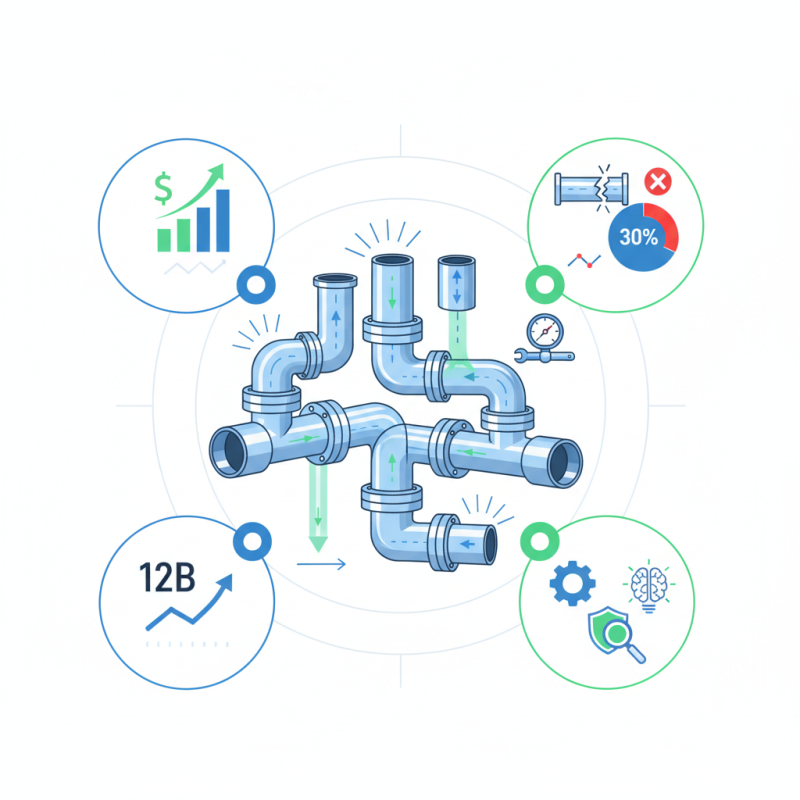
Pressure pipe fittings play a crucial role in various industries. They ensure safe and efficient fluid transport in pipelines. According to a recent report by the Global Market Insights, the global pressure pipe fittings market is projected to exceed $12 billion by 2025. This growth underscores their importance in modern infrastructure.
These fittings connect sections of pipe, accommodating changes in direction and size. Engineers use them to maintain system integrity under high pressure. However, improper selection or installation can lead to failures. A study by the American Society of Mechanical Engineers indicates that almost 30% of pipeline failures are due to fitting issues. Such data suggests that awareness and education about pressure pipe fittings are essential.
Despite advancements in materials and designs, challenges remain. Aging infrastructures often use outdated fittings that may not meet current standards. It raises questions about safety and reliability. Ongoing research and development are vital for improving fitting designs, ensuring they meet current demands. The future of pressure pipe fittings will depend on innovation and adherence to strict safety regulations.
Understanding Pressure Pipe Fittings: Definition and Purpose
Pressure pipe fittings are vital components in various piping systems. They connect pipes while controlling the flow of fluids and gases. Understanding their definition and purpose is crucial for anyone working in plumbing, construction, or engineering.
These fittings come in various shapes and sizes. They are designed to withstand high pressure levels. Common types include elbows, tees, and couplings. Each fitting serves a specific role in directing fluid movement. However, not all materials used in these fittings are equally effective. Some may corrode or fail under pressure, leading to potential leaks.
Choosing the right type of fitting can be challenging. Factors like material compatibility and pressure ratings must be considered. Mistakes can happen. A poorly installed fitting may cause system failure. Regular maintenance is essential to ensure fittings remain functional. Observing wear and tear can prevent future issues.
Types of Pressure Pipe Fittings and Their Applications
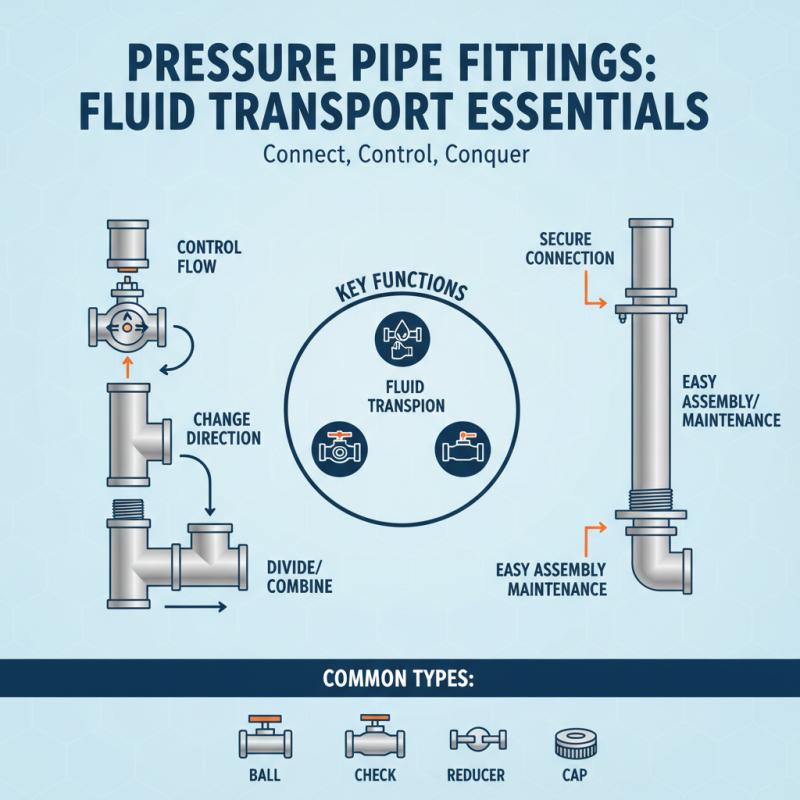
Pressure pipe fittings play a crucial role in various applications. They connect sections of pipes to ensure the efficient flow of fluids, gases, or other substances under pressure. Common types of pressure pipe fittings include elbows, tees, reducers, and couplings. Each type serves a particular purpose, influencing how systems are designed. For instance, elbows change the direction of the flow, while tees allow for branching off into another line.
Elbows can be 90 degrees or 45 degrees, depending on the required flow direction. Tees facilitate the joining of different pipe sizes, making them versatile. Reducing fittings are essential when transitioning between pipe diameters. Couplings provide the easiest way to connect two pipes, ensuring tight seals. These fittings are essential in plumbing, HVAC, and industrial applications.
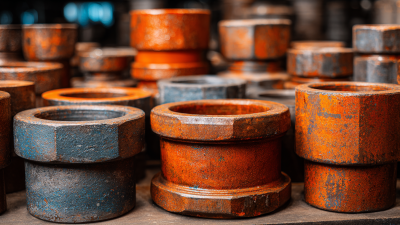
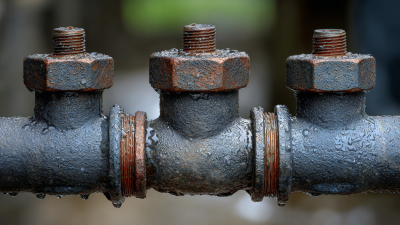
However, not all fittings are created equal. Material selection matters significantly; it affects durability and compatibility with fluids. Some fittings may corrode or weaken over time, leading to leaks. It's crucial to choose the right fitting for each specific application. Failure to do so can result in costly repairs or safety hazards. Careful consideration of installation practices is equally important, as poor installation can compromise a fitting's integrity.
Types of Pressure Pipe Fittings and Their Applications
Components and Materials Used in Pressure Pipe Fittings
Pressure pipe fittings play a crucial role in fluid management systems. They connect various pipes and components, ensuring safe and efficient transportation of liquids and gases. Understanding the components and materials used in pressure pipe fittings can help in selecting the right ones for specific applications.
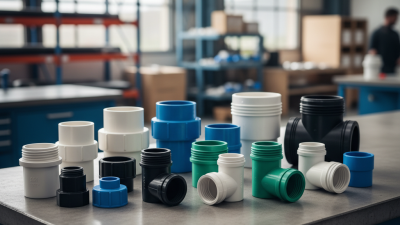
Common materials for pressure pipe fittings include stainless steel, PVC, and copper. Stainless steel is prized for its strength and corrosion resistance. PVC, on the other hand, offers flexibility and is lightweight. Copper fittings are known for their durability and thermal conductivity. Each material serves different purposes and environments, influencing the choice during installation.
Design and size are also essential factors. Standard fittings come in various shapes, like elbows and tees, enabling diverse configurations. However, some may require custom designs, which could lead to increased costs or longer lead times. The installation process might also present challenges if components are not compatible or if the wrong size is chosen. Proper planning and consideration help in avoiding these issues, which can negatively impact system performance.
What is a Pressure Pipe Fitting and How Does It Work?
| Component |
Function |
Materials Used |
Typical Applications |
| Elbow |
Changes the direction of flow |
PVC, CPVC, Steel |
Pipelines, plumbing |
| Tee |
Allows branching of piping |
Brass, Copper |
Water supply systems |
| Coupling |
Connects two pipes |
PVC, Steel |
Sewage and drain lines |
| Reducer |
Changes the diameter of the pipe |
Aluminum, Plastic |
Industrial piping systems |
| Cap |
Seals the end of a pipe |
PVC, Metal |
Water and gas lines |
Installation and Maintenance Considerations for Pressure Pipe Fittings
Pressure pipe fittings are essential for ensuring efficient fluid transfer in various applications. When it comes to installation and maintenance, certain considerations are crucial. Proper alignment is paramount. Misalignment can cause undue stress. This leads to connection failures over time. Data from the American Society of Mechanical Engineers suggests that about 30% of fitting failures are due to poor installation practices.
Regular inspections are vital. They help identify wear and tear before significant issues arise. Experts recommend checking for corrosion, leaks, and pressure discrepancies. The National Association of Plumbing, Heating & Cooling Contractors indicates that 20% of all plumbing-related calls involve failures in fittings and joints. Implementing preventive maintenance can reduce these incidents significantly.
In terms of pressure ratings, only use fittings that match the system's requirements. This ensures optimal performance and safety. Remember, not all fittings can handle high pressure. It’s crucial to understand the specific conditions under which they will operate. Regular training for installation personnel is necessary. An informed team can recognize potential hazards early.