What is PET Release Film and How is it Used in Industries?
The use of PET Release Film is becoming increasingly vital in various industries. This specialized film serves as a crucial component in numerous applications, enabling efficient product handling and processing. It is known for its excellent release properties, which make it effective in separating layers without leaving residue.
In manufacturing, PET Release Film is widely utilized in adhesive applications, laminates, and composite materials. Its reliability ensures that products maintain their integrity during production. Industries such as automotive, electronics, and packaging benefit significantly from this material. However, the selection of the right type of PET Release Film can be challenging, requiring careful consideration of factors such as surface energy and adhesion levels.
Investing in quality PET Release Film is essential for achieving optimal results. Low-grade options may not perform as expected. This can lead to production delays and increased costs. Evaluating different suppliers and specifications is a pivotal step for businesses. It is important to stay informed and make educated choices to enhance production processes and outcomes.
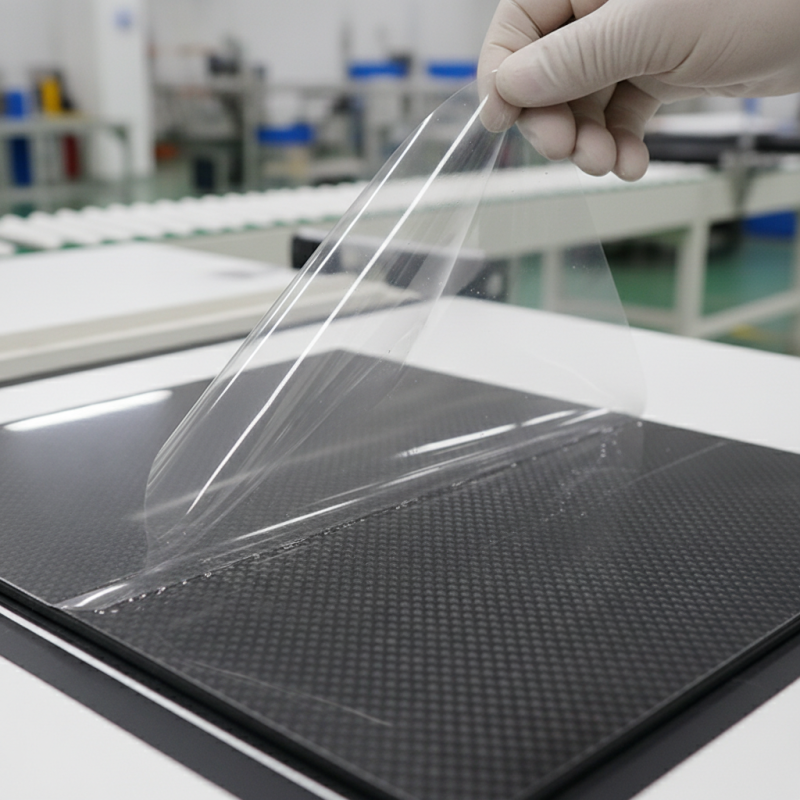
What is PET Release Film?
PET release film is a specialized material commonly used in various industries for its unique properties. This film is made from polyethylene terephthalate, which is known for its excellent tear resistance, dimensional stability, and optical clarity. According to industry reports, the global demand for PET release film has grown significantly, projected to reach a market size of $4 billion by 2025, driven by its versatile applications in sectors like packaging and manufacturing.
One of the primary uses of PET release film is in the production of adhesive products. The film serves as a liner that prevents adhesives from sticking to surfaces until they are ready for use. It is particularly valued for its ability to maintain high slip characteristics, ensuring a smooth release. Reports indicate that the automotive and electronics industries are major consumers of this film, utilizing it for protective and insulating layers, which enhances product durability and performance.
Manufacturers often encounter challenges when selecting the right type of release film. Variations in thickness, coating types, and surface treatments can impact performance. Some users have noted that while PET release films are reliable, achieving the optimal balance between adhesion and release can require careful testing and adjustments. This emphasizes the importance of understanding specific application needs to avoid production inefficiencies.
Usage of PET Release Film in Various Industries
Composition and Properties of PET Release Film
PET release film is derived from polyethylene terephthalate, a thermoplastic polymer recognized for its durability and flexibility. This film serves as a non-stick surface provider in various applications. Its composition typically includes additives to enhance properties like adhesion resistance and temperature tolerance. According to industry reports, the global release film market is projected to experience a compound annual growth rate (CAGR) of 5% from 2023 to 2028. This highlights the growing demand for efficient manufacturing solutions using release films.
One notable property of PET release film is its excellent surface energy. This characteristic allows it to easily separate from adhesives without compromising the integrity of connected substrates. Many manufacturers exploit its high tensile strength and minimal elongation. These features are crucial, especially when handling sensitive materials prone to damage. While PET films are reliable, challenges arise in recycling. They are often not accepted in standard recycling streams, raising sustainability concerns in an era increasingly focused on eco-friendliness.
In the automotive and electronics sectors, PET release films are invaluable. They facilitate the application of coatings and adhesives, ensuring a smooth workflow during production. A report by leading industry analysts shows that over 40% of PET film use is in the automotive industry alone. This significant figure indicates the reliance on PET films for efficiency. However, the nuances of working with these materials need consideration. For example, variations in temperature can affect performance, necessitating careful monitoring in industrial applications.
Applications of PET Release Film in Various Industries
PET release film is widely used across various industries due to its versatility and effectiveness. In the automotive sector, it serves as a protective layer during manufacturing. This film prevents adhesives from sticking to unwanted surfaces, ensuring clean application of components. It also protects the surfaces from scratches and damage during transportation.
In the electronics industry, PET release film is essential for producing labels and overlays. The smooth surface of the film ensures easy release of adhesives, which is crucial for maintaining the integrity of electronic devices. Additionally, it can enhance the durability of products by adding a layer of protection against moisture and dirt.
Tips: Always choose the appropriate thickness of PET film for your specific application. A thicker film may offer better protection but can also add weight. Testing different films can help identify the best fit for your needs. Remember, proper storage of the release film is vital to maintain its properties. Keep it away from extreme temperatures and humidity.
Another application is in the packaging industry. PET release film is often used in food packaging to ensure freshness. Its non-stick surface is perfect for barrier films that keep moisture and air out. This functionality is not just beneficial; it is crucial for extending the shelf life of perishable items. Ensure you are aware of any specific regulations governing food-safe materials to avoid compliance issues.
Advantages of Using PET Release Film in Manufacturing
PET release film is gaining popularity in various manufacturing sectors due to its unique properties. This type of film is known for its low surface energy, which allows it to easily separate from adhesives, paints, and coatings without leaving any residue. In industries such as electronics and automotive, the precise application of adhesives is crucial. PET release film helps in achieving that accuracy while maintaining the quality of the final product.
One major advantage of using PET release film is its durability. It can withstand a wide range of temperatures and environmental conditions, making it suitable for different applications. For instance, the film's resistance to moisture contributes to consistent performance during production processes. Additionally, it enhances efficiency by reducing the likelihood of defects. However, industries must regularly evaluate their needs, as not all projects require the same specifications of release film.
Another benefit lies in its recyclability. This aligns with the growing emphasis on sustainable practices in manufacturing. Companies are increasingly focused on reducing waste and improving their eco-footprint. While PET release film offers several advantages, some might still ponder its environmental impact. It is important for manufacturers to consider both the benefits and drawbacks before making their choices.
Comparison of PET with Other Release Films
When comparing PET release films with other options, several factors come into play, including material properties and industry applications. PET, or polyethylene terephthalate, is known for its excellent dimensional stability, making it a favorite among manufacturers. According to industry reports, PET films display superior temperature resistance and chemical stability compared to traditional silicone-based release films. This makes them ideal for various demanding applications, from automotive to electronics.
In contrast, traditional paper-based release films often struggle with moisture absorption and dimensional changes. A study highlighted that about 40% of users experienced issues with quality control when using paper films in humid environments. Moreover, while silicone release films offer ease of use, they typically have lower tensile strength than PET films. Reports suggest that PET films can withstand up to 300% more tensile stress. These attributes make PET incredibly reliable, especially in packaging and adhesive applications.
Despite these advantages, PET films can be more expensive due to manufacturing complexities. Organizations must weigh cost versus performance when deciding. Additionally, limited recycling options for PET may be a concern for sustainability-focused industries. This juxtaposition reflects an ongoing challenge in balancing cost-effectiveness with environmental considerations. Controlled use and understanding of PET's limitations are essential for optimizing its applications.