What is HPMC and Its Uses in Various Industries?
Hydroxypropyl methylcellulose (HPMC) is a versatile polymer widely used across various industries. According to a report from MarketsandMarkets, the global HPMC market is projected to reach $2.6 billion by 2025, driven by its applications in construction, pharmaceuticals, and food. HPMC serves as a thickener, binder, and stabilizer, making it essential for many products.
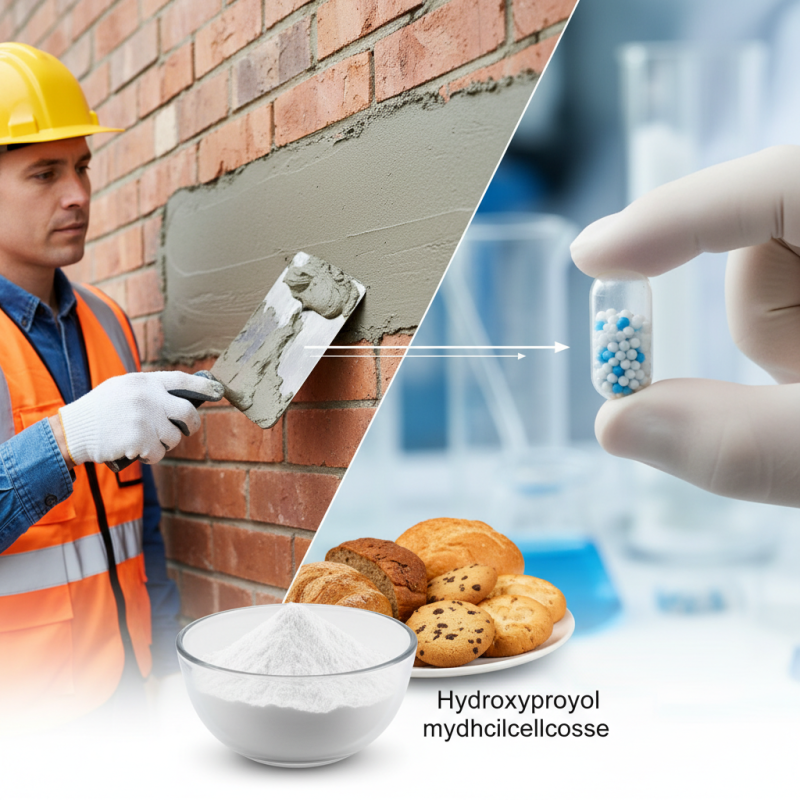
In the construction industry, HPMC improves the workability of mortars and plasters. It enhances adhesion and water retention, resulting in durable structures. In pharmaceuticals, HPMC acts as a drug delivery agent, ensuring controlled release of medication. Its safety profile is well-documented, further boosting its adoption.
However, challenges exist in the HPMC market. Quality inconsistencies can arise from different production methods. The need for thorough testing is crucial. Additionally, fluctuations in raw material prices may impact HPMC production. Despite these issues, its relevance continues to grow in diverse applications.
What is HPMC: A Comprehensive Overview
HPMC, or Hydroxypropyl Methylcellulose, is a versatile polymer. It is derived from cellulose, which comes from plant fibers. The structure of HPMC allows it to dissolve in cold water, forming a gel-like substance. This property is crucial for its application in many industries.
In construction, HPMC is often added to cement or mortar mixes. It enhances workability and improves adhesion. Builders appreciate its water-retaining properties, which ensure that the mixture does not dry too quickly. This can lead to better bonding and durability. However, if not used in the right proportions, it may weaken the overall structure.
In the food industry, HPMC serves as a thickener and stabilizer. It helps maintain the texture of sauces and dairy products. Yet, some consumers are wary of synthetic additives. Their concerns highlight the need for transparency in ingredient sourcing. While HPMC has many benefits, including versatility and effectiveness, it’s essential to evaluate its long-term health impacts.
HPMC Usage Across Different Industries
Chemical Structure and Properties of HPMC
Hydroxypropyl methylcellulose, or HPMC, is a cellulose ether. It has a unique chemical structure that includes hydroxypropyl and methyl groups. This structure allows it to dissolve in cold water. As a result, it forms a gel-like solution. In terms of properties, HPMC is non-toxic and biodegradable. It exhibits excellent water retention, which is crucial in various applications.
In the construction industry, HPMC enhances the workability of mortars. It improves the consistency and adhesion of tile adhesives. Its ability to retain moisture aids in the curing process. In pharmaceuticals, HPMC acts as a binder in tablet formulations. Its viscosity properties help in the controlled release of active ingredients. This makes medications more effective.
In food processing, HPMC serves several roles, from a thickening agent to a stabilizer. Chefs appreciate its ability to modify texture without altering flavors. However, finding the right grade of HPMC can be challenging. The variations in viscosity levels can impact formulation outcomes. Therefore, careful consideration is necessary when choosing HPMC for specific applications.
Key Applications of HPMC in Construction Materials
Hydroxypropyl Methylcellulose (HPMC) is a versatile ingredient used in construction materials. It enhances the workability of products like cement, plaster, and mortar. By improving adhesion and flexibility, HPMC helps create stronger and more durable building components.
In tile adhesives, HPMC plays a crucial role. It allows for better spreadability and increases the open time. This means that workers have more time to position tiles without the adhesive drying too quickly. However, using too much HPMC can lead to issues. It might create a sticky mess instead of a smooth application.
Another key application of HPMC is in self-leveling compounds. These mixtures often require a perfect consistency. HPMC helps achieve this by controlling water retention, which is vital during curing. Yet, even a slight oversaturation can compromise the final product. Striking the right balance is essential for optimal performance. Overall, HPMC proves to be a valuable asset, but careful consideration in its use is necessary for successful outcomes.
HPMC in Pharmaceutical and Food Industries
Hydroxypropyl Methylcellulose (HPMC) is a versatile compound widely used in the pharmaceutical and food industries. In pharmaceuticals, HPMC acts as a binder in tablets, ensuring that active ingredients are evenly distributed. It helps maintain the stability and consistency of the formulations. This property is crucial for effective drug delivery. Interestingly, HPMC is also a preferred choice for controlled-release formulations. These formulations allow for a gradual release of medication over time, improving patient compliance.
In the food industry, HPMC serves as a thickening and stabilizing agent. It enhances the texture of food products such as sauces, dressings, and baked goods. By integrating HPMC, manufacturers can create products with a more appealing mouthfeel. Notably, this compound plays a vital role in gluten-free products, providing necessary structure. Many people seek gluten-free options, making HPMC an essential ingredient.
Tips: When using HPMC, ensure to mix it well with other ingredients for optimal performance. Testing different concentrations can lead to better results. Remember, every formulation is unique. Adjustments may be necessary to achieve the desired outcome.
Environmental Impact and Safety Considerations of HPMC
Hydroxypropyl methylcellulose (HPMC) is a versatile compound used in various applications. Its environmental impact is a growing concern. HPMC is biodegradable, but its production requires significant resources. The impact on land use can be substantial. According to a 2021 report, HPMC production may contribute to deforestation in some regions.
Safety considerations are also crucial. Studies indicate that HPMC is generally recognized as safe (GRAS) by regulatory bodies. However, exposure may cause mild irritation. It is essential to evaluate worker safety in production environments. Inadequate safety measures can lead to health risks. Moreover, proper waste disposal methods must be enforced. Mismanagement can result in environmental contamination.
While HPMC has many benefits, it is not without flaws. Its production can lead to excessive water consumption, with estimates showing up to 1000 liters per kilogram of HPMC. This raises questions about sustainability. The industry must address these challenges. As demand grows, so does the need for more sustainable practices. Engaging in responsible production and usage will be vital for minimizing its environmental footprint.