What is DL-Methionine and its Health Benefits?
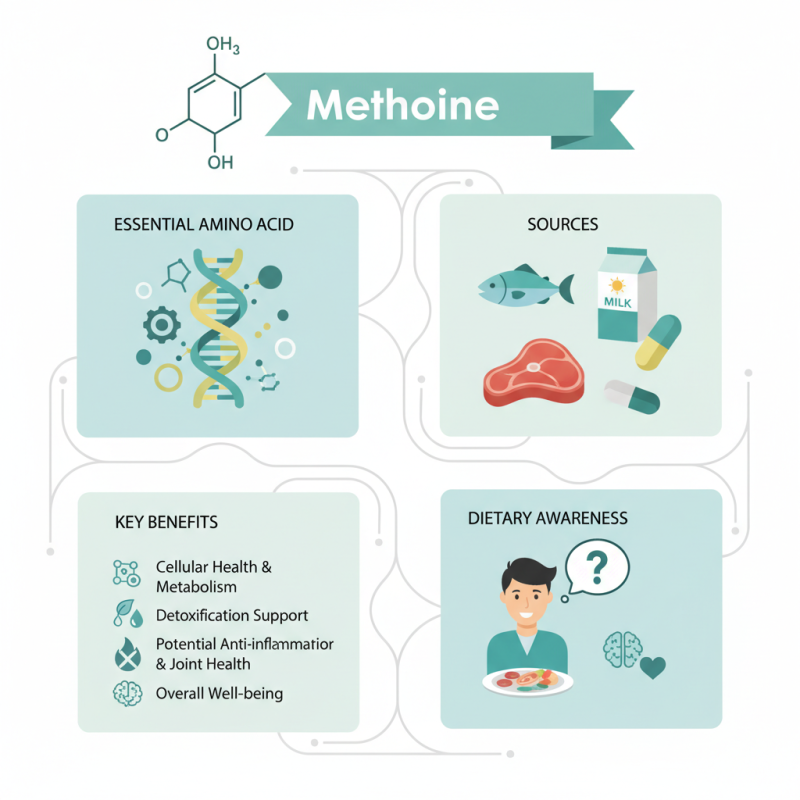
DL-Methionine is an essential amino acid. It plays a significant role in our overall health. This compound is a building block for proteins. It contributes to many bodily functions. Its health benefits are far-reaching and deserve attention.
Many people overlook the importance of DL-Methionine. This can lead to deficiencies in their diets. Some derive it from food sources like meat, fish, and dairy. Supplements are also available for those who need them. However, not everyone considers their intake. Awareness is key.
DL-Methionine supports cellular health and metabolism. It may aid in detoxification processes. With potential anti-inflammatory properties, it could help joint health. Yet, not all benefits are universally recognized. Some may require further investigation. Understanding DL-Methionine's role can enhance health outcomes. A deeper reflection on dietary habits is crucial for optimal well-being.
What is DL-Methionine and Its Chemical Structure?
DL-Methionine is an essential amino acid, crucial for human health. Structurally, it is a sulfur-containing amino acid with the formula C5H11NO2S. This unique structure allows DL-Methionine to play significant roles in various biological processes. Its side chain includes a sulfur atom, which contributes to many metabolic pathways.
Research indicates that this amino acid is vital for protein synthesis. One study highlighted that sufficient levels of methionine could enhance muscle health and recovery. Furthermore, it serves as a precursor for other important compounds. This includes S-adenosylmethionine (SAMe), known for its role in methylation processes. Inadequate methionine intake can lead to negative health effects, such as fatigue and impaired immune function.
The health benefits of DL-Methionine extend beyond basic nutrition. Interestingly, it has been studied for its potential role in reducing oxidative stress. Several reports suggest that methionine may help detoxify harmful substances in the liver. This detoxification process is essential for overall metabolic health, yet many individuals do not consume enough through their diets. Addressing potential deficiencies remains a concern for health professionals. There is still much to learn about its broader health impacts, emphasizing the need for further research.
The Role of DL-Methionine in Protein Synthesis and Metabolism
DL-Methionine is an amino acid vital for protein synthesis and overall metabolism. It plays a critical role in creating proteins, enzymes, and hormones. The body does not produce it, so dietary intake is essential. Studies show that adequate levels of methionine can enhance muscle recovery and growth. A report from the National Institutes of Health indicates that methionine supplementation may improve athletic performance.
In metabolism, DL-Methionine contributes to sulfur amino acid pathways. This process is crucial in detoxification and liver health. Methionine aids in the methylation process, influencing DNA and gene expression. A deficiency may lead to metabolic disorders, which impact overall health. Research highlights that balanced methionine levels can support cardiovascular health and prevent chronic diseases.
Tips: Incorporate methionine-rich foods like eggs, fish, and nuts into your diet. Splitting your protein intake throughout the day can optimize absorption. Overdoing supplements can lead to imbalances, so consult a healthcare professional. Remember, the body needs a balanced approach to amino acid intake for maximum benefit.
Health Benefits of DL-Methionine: Antioxidant Properties and Beyond
DL-Methionine is an essential amino acid with various health benefits. It plays a crucial role in the synthesis of proteins. As a sulphur-containing amino acid, it contributes to the production of antioxidants. This protects cells from oxidative stress.
Oxidative stress can lead to chronic diseases, so having sufficient DL-Methionine is vital.
Antioxidant properties are not the only aspects of DL-Methionine. It also supports liver function by assisting in detoxification. The liver requires methionine for the proper breakdown of fats. Without enough DL-Methionine, fat accumulation may occur.
This could lead to liver problems over time. It is also involved in the production of other important compounds, such as cysteine and taurine.
However, some people may not get enough DL-Methionine through diet alone. This deficiency can impact overall health. For those who consume a vegetarian or vegan diet, it may be particularly challenging. Relying solely on dietary sources can be flawed.
Regular monitoring and possibly incorporating supplements may be necessary. Balancing intake is essential, as excessive supplementation can also pose risks. Reflecting on your diet is important for maintaining optimal levels of this significant amino acid.
Recommended Dietary Allowances and Sources of DL-Methionine
DL-Methionine is an essential amino acid, crucial for many body functions. It naturally occurs in various foods, contributing to protein synthesis. The recommended dietary allowance (RDA) varies by age and gender, with adults generally needing about 13 mg per kilogram of body weight. Ensuring adequate intake is key for overall health.
Good dietary sources of DL-Methionine include meat, fish, eggs, and dairy products. Plant-based sources can be trickier. Nuts, seeds, and legumes have lower amounts. Vegetarians and vegans should pay special attention. They may struggle to meet their needs from diet alone.
While many foods contain DL-Methionine, individual dietary habits could influence intake. Some may consume enough protein but might lack variety. This could lead to imbalances. It’s essential to reflect on your diet regularly. Small changes can make a significant impact on health.
DL-Methionine Content in Various Foods
DL-Methionine is an essential amino acid with various health benefits, especially in protein synthesis and serving as a precursor for other important biomolecules. The bar chart above illustrates the approximate Methionine content found in different food items, highlighting the best dietary sources.
Potential Side Effects and Considerations When Using DL-Methionine
DL-Methionine is an amino acid used by many for its potential health benefits. While it can support liver health and detoxification, there are notable side effects to consider. Some people report gastrointestinal discomfort, including nausea and diarrhea. These reactions may vary based on dosage. Reports indicate that about 10% of users may experience significant side effects.
Additionally, long-term use could lead to imbalances in other amino acids. Excessive DL-Methionine might affect the levels of cysteine and homocysteine in the body. Elevated homocysteine is linked to cardiovascular issues. According to the American Heart Association, managing homocysteine levels is crucial for heart health.
Another consideration is the possibility of allergic reactions. Symptoms may range from mild rashes to severe anaphylaxis in rare cases. Monitoring responses when starting supplementation is essential. Consulting a healthcare professional for guidance can provide clarity. Being mindful of dosage and personal sensitivities is critical for safe use.