How to Choose the Right Black Plastic Pipe
Choosing the right black plastic pipe starts with what the line must carry and where it will be installed. A pipe beside a sunny exterior wall faces different conditions from one buried under a damp garden bed. Fluid type, pressure, temperature, exposure to sunlight, and local project requirements all matter. Color alone tells you little. Check the product markings and manufacturer’s technical data before comparing prices.
Tony Radoszewski, a recognized plastics-pipe industry leader, has emphasized matching piping systems to their intended applications. In paraphrase, the practical lesson is: “Choose pipe for its service conditions, not its appearance.” This is a summary, not a verbatim quotation. It points to the details that are easy to overlook: compatible fittings, correct dimensions, pressure rating, and installation method. A pipe may look robust on the shelf and still be unsuitable for a particular use.
This guide will explain how to assess those details, compare common materials, and spot questions worth asking a supplier. It will also distinguish drainage, water-supply, and other applications, since their requirements are not interchangeable. Small print matters. So does the installer’s experience. Even careful buyers can miss a specification, and that deserves a second look before purchase. The goal is not to choose the thickest or cheapest pipe, but a product whose documented properties fit the job.
Define the Pipe’s Intended Use and Operating Conditions
Define the service before comparing pipe sizes. Black color alone does not identify resin, pressure rating, or approved use. Check the pipe markings, material specification, diameter, and SDR. Then record the conveyed fluid, normal and peak pressure, temperature, burial depth, soil movement, and exposure to sunlight. Potable water, drainage, and irrigation can demand different specifications. Small details matter. A warm pump room, for example, may change the pipe’s usable pressure capacity.
Temperature deserves careful attention. The Plastics Pipe Institute’s Handbook of Polyethylene Pipe explains that polyethylene pressure ratings require adjustment as operating temperature rises. Do not assume a rating at standard conditions applies to hot service; verify the applicable temperature factor and design limits for the exact pipe. Also check surge pressure, not only the steady gauge reading. EPA’s 2023 Drinking Water Infrastructure Needs Survey estimated $625 billion in U.S. drinking-water infrastructure needs over 20 years; pipes are only one part of that estimate, but sound material selection matters. A common misstep is choosing by color and nominal size, then checking conditions later. That order is easy to get wrong. Verify the application requirements and installation details before purchase.
Compare Black Pipe Materials and Their Typical Applications
Black plastic pipe is not a single material. Its color alone cannot tell you what it carries or how much pressure it can handle. Check the pipe markings, fittings, and manufacturer’s specifications before choosing.
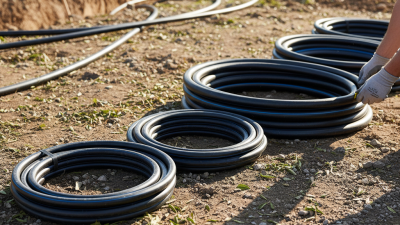
High-density polyethylene (HDPE) is flexible and resists impact, making it common in water services, irrigation, and some drainage systems. Pressure-rated HDPE can suit pressurized water applications, but not every black polyethylene pipe is pressure-rated. For outdoor use, confirm its UV rating; sunlight resistance varies. A coil also needs room to bend without kinking.
ABS, another black plastic, is commonly used for indoor drain, waste, and vent lines. It is rigid and designed for gravity drainage, not pressurized water supply. Black polyethylene tubing is also used for landscape irrigation, where flexibility helps route lines around beds and trees. Small fittings matter. A mismatch can leak, even when the pipe itself looks sound. A common selection mistake is choosing by color or diameter alone; material, pressure rating, temperature range, and intended use all count. It is worth checking twice. For specialized services, use pipe specifically marked for that application and follow its installation instructions.
How to Choose the Right Black Plastic Pipe: Materials and Typical Applications
How to read this chart: A score of 1 indicates a common application; 0 means it is not a typical general-purpose choice. Actual suitability depends on the pipe’s specification, certification, pressure and temperature limits, and local codes. Black color alone does not identify a pipe material.
Check Diameter, Wall Thickness, and Pressure Ratings
Black plastic pipe can look similar on a shelf, yet its dimensions and ratings determine whether it suits the job. Check the stated nominal diameter, then compare it with the pipe’s outside diameter and the fittings you plan to use. Nominal size does not always match a tape-measure reading. A mismatch can leave a loose connection or force an awkward repair.
Wall thickness matters too. A thicker wall may support a higher pressure rating, but thickness alone is not enough to judge suitability. Look for the pipe’s material, pressure class, and SDR or wall-thickness specification. Then compare the rating with your system’s expected operating pressure. Allow for temperature changes and pressure surges, which can reduce the safe working margin. Small details matter.
Do not assume every black pipe is made for the same service. Some products are intended for drainage, while others are rated for pressurized water or other uses. Read the product markings and technical sheet, and check that the pipe and fittings share compatible specifications. It is tempting to trust one printed pressure number, but ratings can depend on size, material, and temperature. If markings are unclear, verify them with the supplier before installation.
How to Choose the Right Black Plastic Pipe — Check Diameter, Wall Thickness, and Pressure Ratings
The examples below show IPS-size PE4710 pressure pipe at three common dimension ratios (SDRs). Select nominal diameter based on required flow and allowable pressure loss; confirm the pipe standard and system requirements before ordering.
| Nominal IPS Size |
Outside Diameter |
SDR |
Approx. Minimum Wall Thickness |
Pressure Rating at 73°F (23°C) |
Typical Selection Consideration |
| 1 in |
1.315 in |
11 |
0.120 in |
200 psi |
Thicker wall and higher pressure rating than larger SDRs; check that the inside diameter meets the required flow. |
| 1 in |
1.315 in |
17 |
0.078 in |
125 psi |
A thinner-wall option for applications whose pressure and flow requirements permit it. |
| 1 in |
1.315 in |
21 |
0.063 in |
100 psi |
Consider only where the system’s design pressure and applicable specifications allow this rating. |
| 2 in |
2.375 in |
11 |
0.216 in |
200 psi |
Higher pressure-rated wall option; verify flow capacity and compatible fittings. |
| 2 in |
2.375 in |
17 |
0.140 in |
125 psi |
Common middle-ground choice when its pressure rating and hydraulic performance are suitable. |
| 2 in |
2.375 in |
21 |
0.114 in |
100 psi |
Thinner wall than SDR 11 or 17; confirm pressure limits, flow, and installation conditions. |
| 4 in |
4.500 in |
11 |
0.410 in |
200 psi |
Large nominal size with a thicker wall; assess flow demand, handling, and connection requirements. |
| 4 in |
4.500 in |
17 |
0.265 in |
125 psi |
May suit applications needing a larger flow path at a lower pressure rating than SDR 11. |
| 4 in |
4.500 in |
21 |
0.215 in |
100 psi |
Check the design pressure carefully; a larger diameter does not increase the pipe’s pressure rating. |
Notes: Pressure ratings shown are reference ratings for PE4710 pressure pipe at 73°F (23°C); ratings generally decrease as operating temperature rises. SDR is the ratio of nominal outside diameter to wall thickness, so a lower SDR means a thicker wall and typically a higher pressure rating. Wall thicknesses are approximate minimum values calculated from the listed IPS outside diameters and SDRs; actual dimensions depend on the governing product standard and tolerance. Confirm the pipe marking, applicable standard, fitting ratings, temperature derating, and local code requirements. Size diameter using the required flow rate, run length, and acceptable pressure loss.
Confirm Compatibility With Fittings and Installation Methods
Before choosing black plastic pipe, identify its material, outside diameter, wall thickness, and pressure rating. Black color alone does not confirm compatibility. A pipe may look right but still mismatch a fitting by a few millimeters. Check the pipe markings and technical data, then compare them with the fitting’s stated size range and service limits.
Match the joint to the installation method. Compression fittings need the correct pipe diameter and a clean, square cut. Barbed fittings must suit the pipe’s inside diameter and wall thickness; clamps should be sized for the fitting, not guessed from appearance. Threaded connections require compatible threads and careful tightening. For fusion joints, confirm that both components are designed for the same material and joining process. Keep the pipe ends clean and dry. Small details matter.
Tips: Test the fit before laying a long run. Don’t force a connection that binds or slips. Allow for support, bends, and temperature-related movement, and follow the pipe and fitting makers’ installation instructions. If the application carries pressurized fluid, verify the complete assembly’s rating—not just the pipe’s. I’d also recheck the first joint after assembly; it’s easy to miss a slight misalignment when working quickly.
Verify Applicable Standards and Product Certifications
Black plastic pipe is not one universal product. Its material and intended use determine which standards apply. A pipe for buried pressure water needs different evidence from one used for non-pressure drainage. Check the project specification and local requirements before comparing products. The words “meets standards” are not enough.
Inspect the pipe’s printed marking for material, size, pressure class or rating, applicable standard, and production details. Then match those details against the product certificate. Confirm that the certificate covers the exact pipe type, dimensions, and intended service—not just a similar product from the same supplier. For drinking-water use, verify certification for the relevant local requirements and confirm the listed use includes potable water. Small details matter. A certificate may be current but limited to certain sizes or conditions. Check its scope and validity with the issuing organization when possible. A logo alone proves little. It is easy to focus on the printed rating and miss temperature limits, joining methods, or installation instructions. I would not treat a compliant pipe as automatically suitable for every site; the specification still needs a careful review.