2026 Top Coating Materials for Global Buyers?
Choosing a coating is rarely as simple as comparing price per litre. A steel bridge facing salt spray needs different protection from a food-processing floor washed daily. Wood, concrete, and aluminum each bring their own demands. For global buyers, the right Coating Material depends on the substrate, exposure, application method, and maintenance plan—not just a product label.
Coatings researcher Dr. Mark D. Soucek’s published work offers a useful principle, paraphrased here: match coating chemistry to the surface and the conditions it must endure. That means examining options such as epoxy, polyurethane, acrylic, and powder coatings alongside adhesion, corrosion resistance, weathering, cure time, and finish. A supplier’s technical data sheet can help, but buyers should also check test methods, batch consistency, and the support available after delivery.
Details matter. Regional climate, shipping time, and local application practices can change results. A coating that performs well in a dry workshop may struggle on a humid job site. Specifications also vary, so buyers should verify product documentation against their project requirements instead of assuming one grade fits every market. That takes extra work.
This guide introduces leading coating materials for 2026 and explains where each may fit. It is a starting point, not a universal ranking. Even careful shortlists can miss real-world factors, such as surface preparation quality or the applicator’s experience. Those details deserve a second look before purchase.
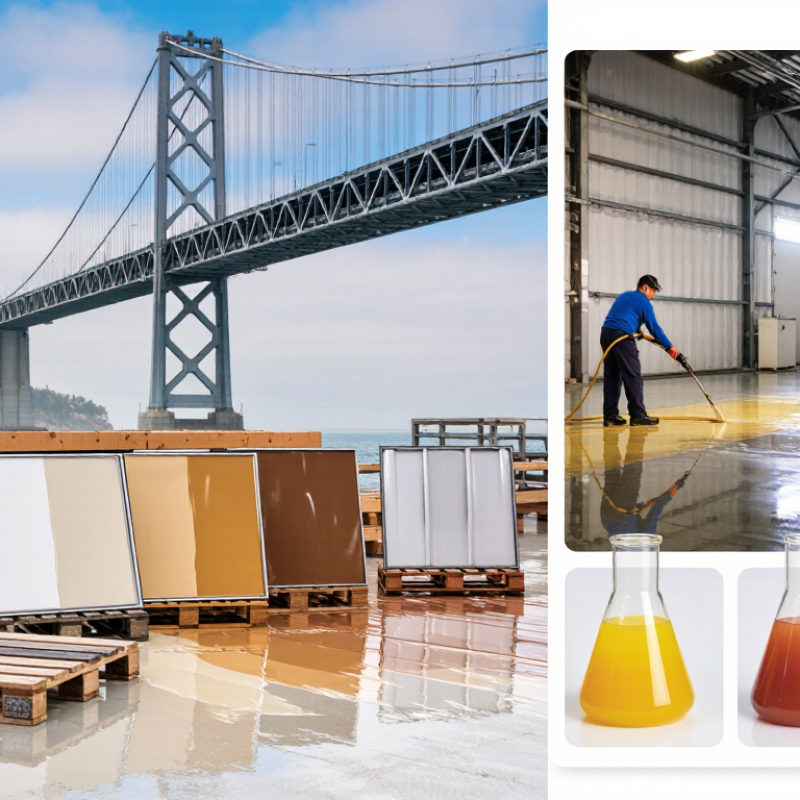
What Coating Materials Are and How They Are Classified
A coating material is a formulated layer applied to a surface to protect it, change its appearance, or add a function. It may dry into a film, cure through a chemical reaction, or bond under heat. Most formulations combine a binder, pigments, additives, and a carrier or curing agent. The binder holds the film together; pigments provide color or help block light. Additives can adjust flow, drying, or resistance to abrasion. Small changes matter. A coating that looks smooth on a test panel may behave differently on a rough metal edge.
Buyers often classify coatings by chemistry, such as epoxy, acrylic, or polyurethane, because chemistry affects adhesion, flexibility, and resistance to weather or chemicals. Another useful distinction is application form: liquid coatings, powder coatings, and high-solids products each have different handling and curing needs. Coatings are also grouped by purpose, including primers, topcoats, and protective or decorative finishes. These categories overlap. That map is imperfect. A product may fit several groups, so the label alone cannot predict performance. Check the technical data sheet, substrate compatibility, recommended film thickness, and curing conditions. A small trial on the actual surface can reveal problems that a category name misses.
Key Coating Materials Shaping Global Markets in 2026
Global coating markets in 2026 are being shaped by demand for durable finishes, lower emissions, and reliable supply. Waterborne acrylic coatings suit many walls and façades, where quick drying and color retention matter. Epoxy systems remain useful for floors and industrial equipment exposed to abrasion or chemicals. Polyurethane coatings add toughness and weather resistance to vehicles, machinery, and outdoor components. Performance still depends on surface preparation and application conditions.
Powder coatings are gaining attention for metal furniture, appliances, and architectural parts. Their dry application can reduce overspray waste, but curing requires controlled heat. Trade-offs remain. A coating that performs well in a factory may not fit a heat-sensitive substrate or a small repair job. Buyers should compare film thickness, cure temperature, expected service life, and maintenance needs—not just the price per container.
Bio-based raw materials are also entering more coating formulations, though availability and consistency can vary by region. They are not an automatic replacement for conventional ingredients. Testing adhesion, flexibility, and weathering on the actual substrate remains essential. Not a simple swap. For global procurement teams, sample panels and clear technical data can reveal problems before a full production run. Local climate matters too: humidity, salt exposure, and strong sunlight can change which resin or protective layer is practical.
2026 Top Coating Materials for Global Buyers
Typical density ranges of widely used coating binders (g/cm³)
Acrylic, alkyd, epoxy, polyurethane and silicone binders serve different performance needs. The ranges shown are representative, not market-share figures; actual density varies by formulation, and pigments or fillers can change the density of the finished coating.
How Coating Types Differ in Performance and Applications
2026 Top Coating Materials for Global Buyers?
How Coating Types Differ in Performance and Applications
Coatings are not interchangeable. Epoxy films adhere well and resist many chemicals, making them useful inside tanks, on floors, and in industrial equipment. But sunlight can dull and chalk exposed epoxy. Polyurethane topcoats generally retain color and gloss better outdoors. For a steel handrail beside a sunny loading bay, that difference is visible.
Waterborne acrylic coatings suit many walls and exterior surfaces, where quick drying and weather resistance matter. Powder coatings form a durable finish on compatible metal parts, such as appliance panels and railings. They require baking, though, so large structures or heat-sensitive parts may not be practical candidates. Small details count: surface preparation, film thickness, and curing conditions can undermine even a well-chosen coating.
The NACE International IMPACT study estimated corrosion costs at US$2.5 trillion globally, or 3.4% of world GDP, in 2013. That figure makes protection worth careful specification, not guesswork. ISO 12944’s corrosivity categories can help buyers compare exposure, from sheltered interiors to marine environments. Still, a category cannot replace inspection of the actual site. Salt spray, standing water, and sharp edges can change how a coating performs. There is no universal winner; sometimes the honest answer is that the available site data is incomplete.
Environmental Standards and Regulations for Global Buyers
Global coating buyers should treat environmental compliance as a product specification, not a box checked after purchase. In the EU, the Paints Directive sets ready-to-use VOC limits by coating category: interior matt wall paints are capped at 30 g/L, while interior glossy wall paints are capped at 100 g/L. These figures come from Annex II of Directive 2004/42/EC. Check the category and test method; a low-VOC claim alone may not prove compliance. Paperwork matters.
Chemical disclosure deserves equal attention. Under ECHA guidance, suppliers must communicate information when an article contains a Candidate List substance above 0.1% by weight. Ask for current safety data sheets, composition declarations, and test results tied to the exact coating and market. UNEP’s Global Chemicals Outlook II projected that global chemical sales could double between 2017 and 2030, reaching about US$10 trillion. That report covers chemicals broadly, not coatings alone, but it signals why supply-chain checks matter. One gap remains: documents can become outdated when a formula changes, so buyers should verify revision dates and request updates. A small mismatch can delay a shipment.
How to Compare Suppliers and Select the Right Coating Materials
Global buyers should compare coating materials against the actual job, not just price per kilogram. A marine railing, a factory floor, and an indoor cabinet need different resistance, finish, and curing profiles. Grand View Research estimated the global paints and coatings market at USD 190.1 billion in 2023, with projected annual growth of 4.3% from 2024 to 2030. That scale makes supplier consistency worth checking, not assuming.
Build a comparison sheet around substrate compatibility, surface preparation, application method, dry-film thickness, cure time, and expected exposure. Ask each supplier for current technical data, safety data, batch certificates, and written test results. Compare like with like: a salt-spray result means little if panels, film thickness, or test conditions differ. Where relevant, request results under recognized ASTM or ISO methods, then confirm them with a small trial on your own substrate.
MarketsandMarkets projected the powder coatings market to grow from USD 13.1 billion in 2023 to USD 17.5 billion by 2028. That trend may guide sourcing, but it does not prove powder is right for every line. Check minimum order quantities, lead times, color matching, technical support, and how defects are handled. Visit production or request a retained sample when possible. A neat scorecard still misses the operator’s cleanup routine. Small detail. I would also compare the first trial with a later batch; supplier promises can look stronger on paper than in a busy shift.